

We had visited the Outer Banks in North Carolina once before. It was shortly after Ray had returned from Afghanistan, and we took a little family trip from our home in South Carolina. We stayed at a beach house in Nags Head, and we could watch the sun set into the water from the top deck of the rental each evening. We played in the sand, looked at shipwrecks, and found wild horses on the beach. Just toddlers, the girls were too little to remember that trip. They will definitely remember this one.
We stayed at a campground in Kill Devil Hills this time, which was a convenient location to all the things we wanted to do. We drove the 30 minutes to Corolla one day to search for the famous wild horses that live there. You don’t need a permit, but you do have to have 4-wheel drive. We let some air out of the tires, followed the pavement to the sand, and took the truck down the beach. We drove to the Virginia state line, where a fence keeps the horses from leaving the state of North Carolina, and then we turned back and drove the stretch of beach back to the pavement. Nothing. Several miles, and nada. We saw no horses. Not one. No poop. No tracks. Nothing.
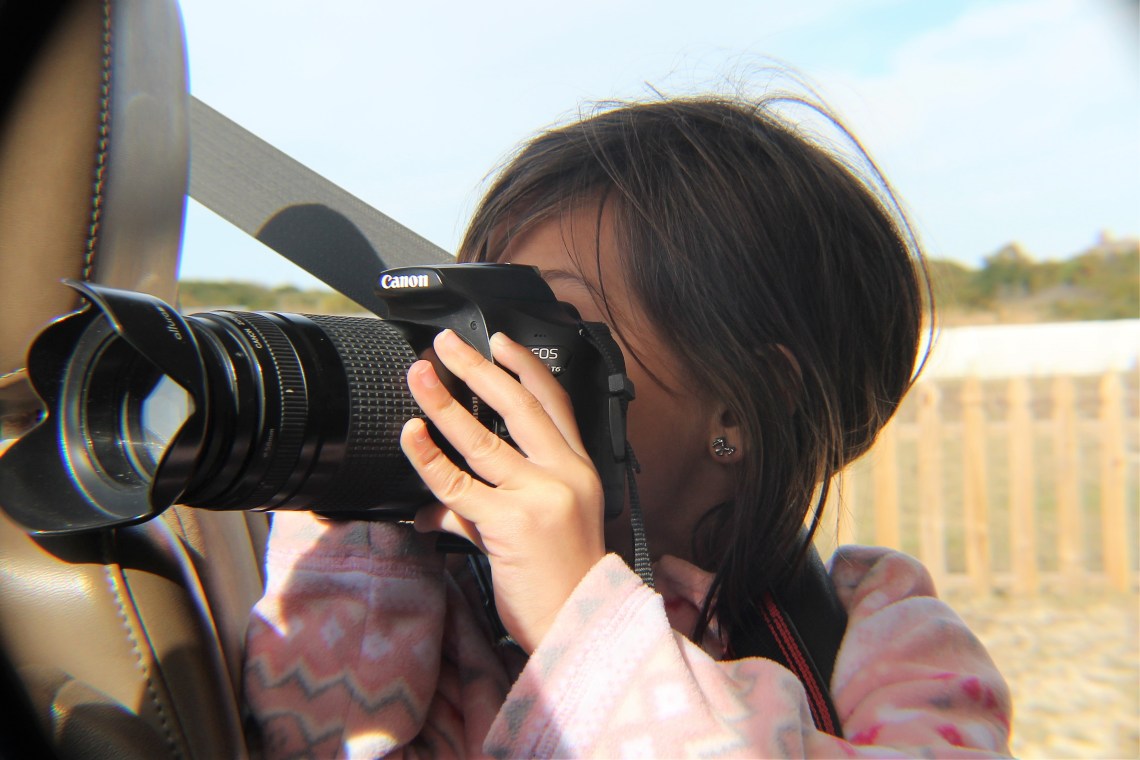
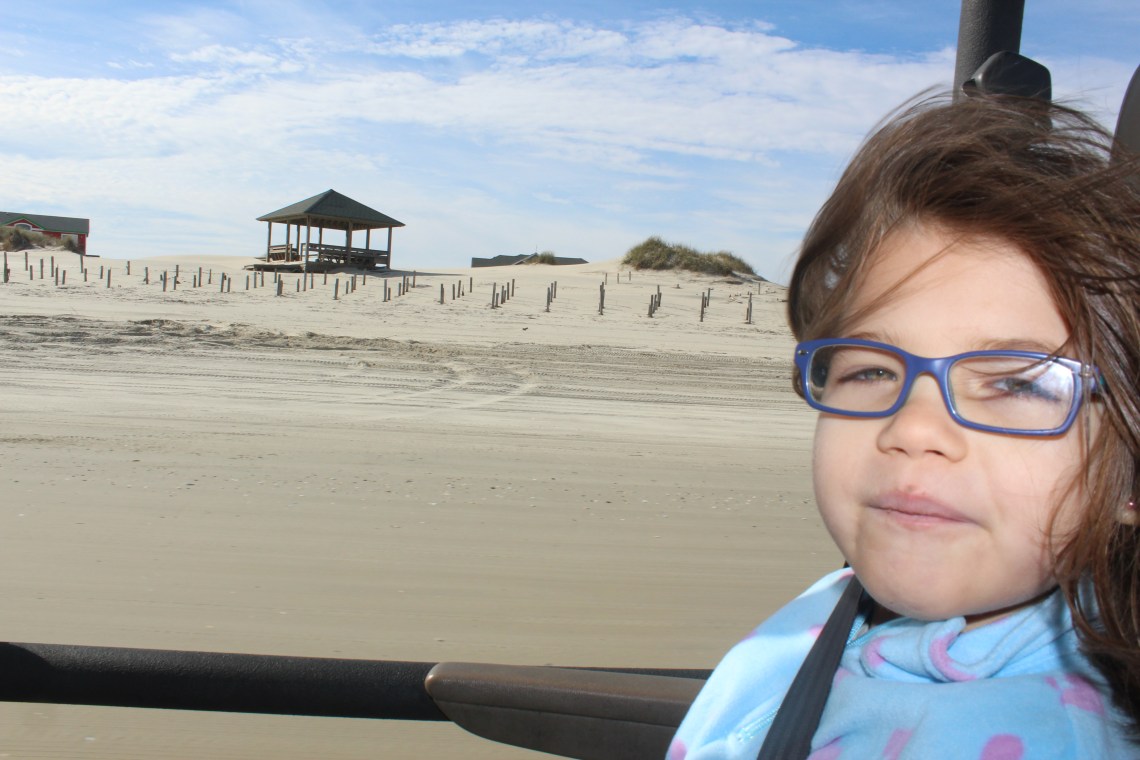
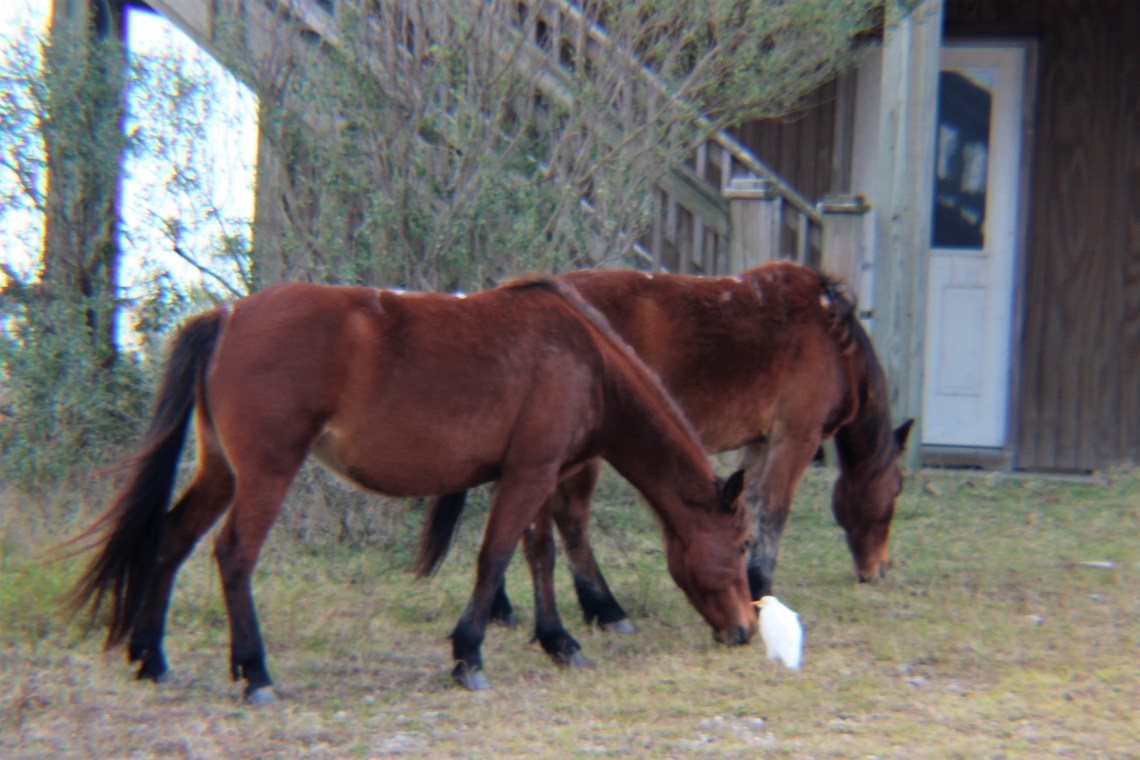
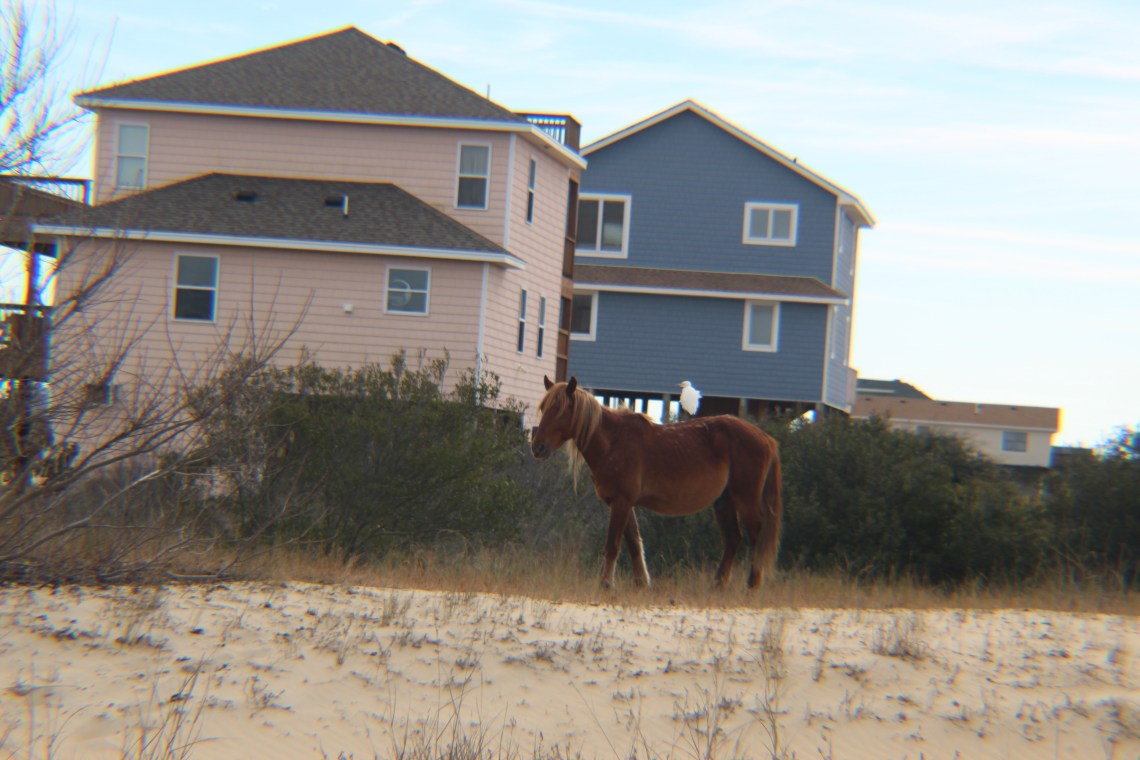
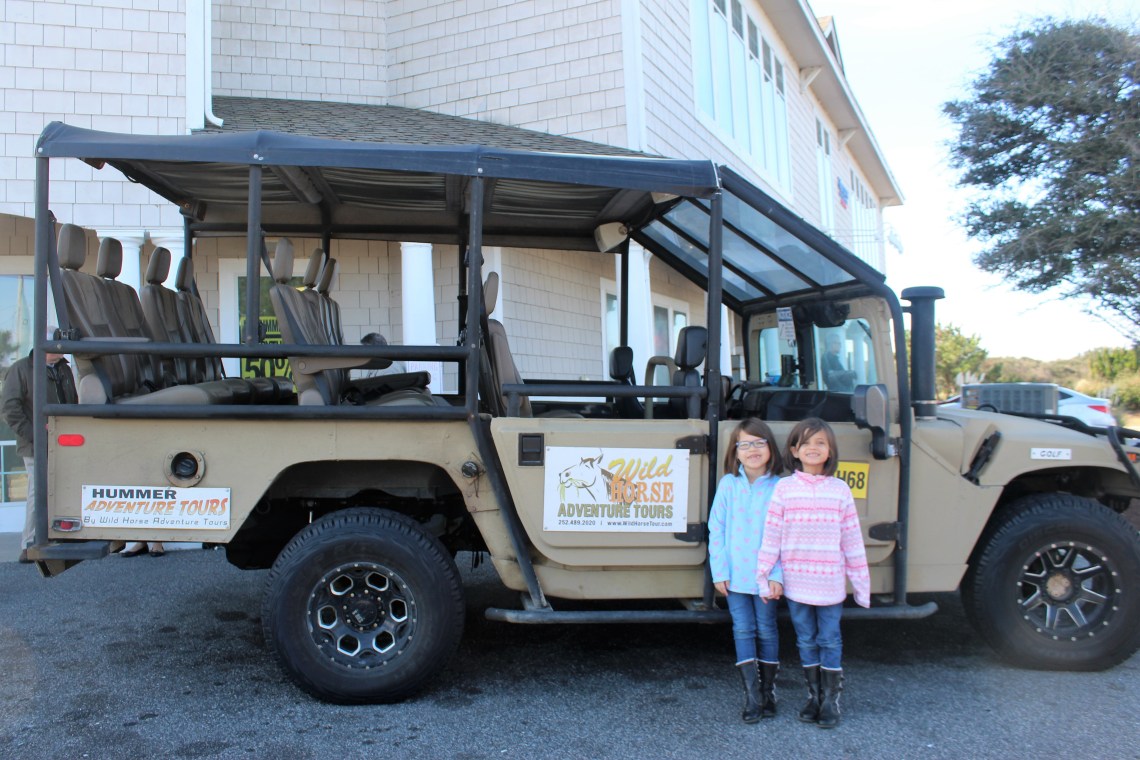
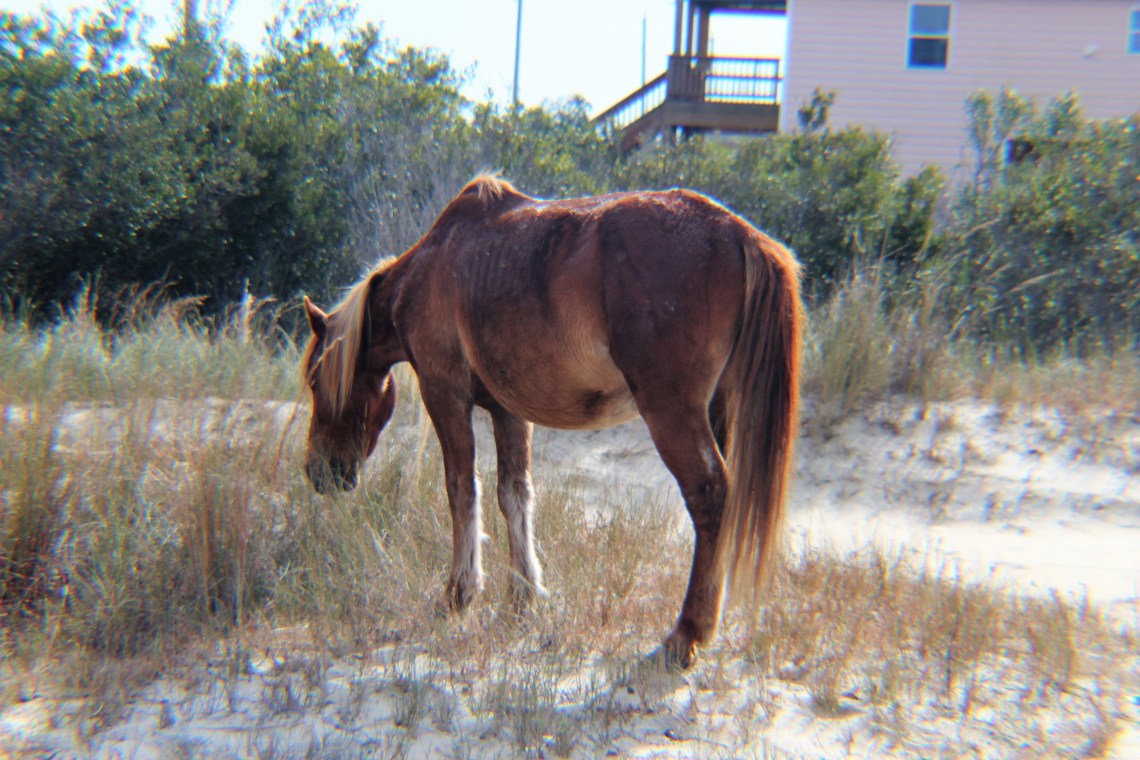
The next day we took a tour. They loaded us up in a Hummer with lots of blankets, and we drove down the beach, through the side roads that run along the dunes, and all over neighborhoods that have sand for roads. We found two sets of the notorious Colonial Spanish Mustangs (they have been DNA tested). These horses once had free reign to roam as they chose to, but they were moved further north when more development began happening, and the roads were jeopardizing their safety. They now have just over 7,500 acres of land (private and public) where they live. There are just about 100 of them that live in the area, so that’s a good chunk of land for the herd.
Currently managed by the Corolla Wild Horse Fund, these horses are descendants of horses that are believed to have been brought to the area via a Spanish galleon. It is believed that they arrived after shipwreck, or after being tossed from the ship to lighten the load once it became stuck on a sandbar. The ones who managed to survive arrived in the Outer Banks, which has been the herd’s home for hundreds of years.



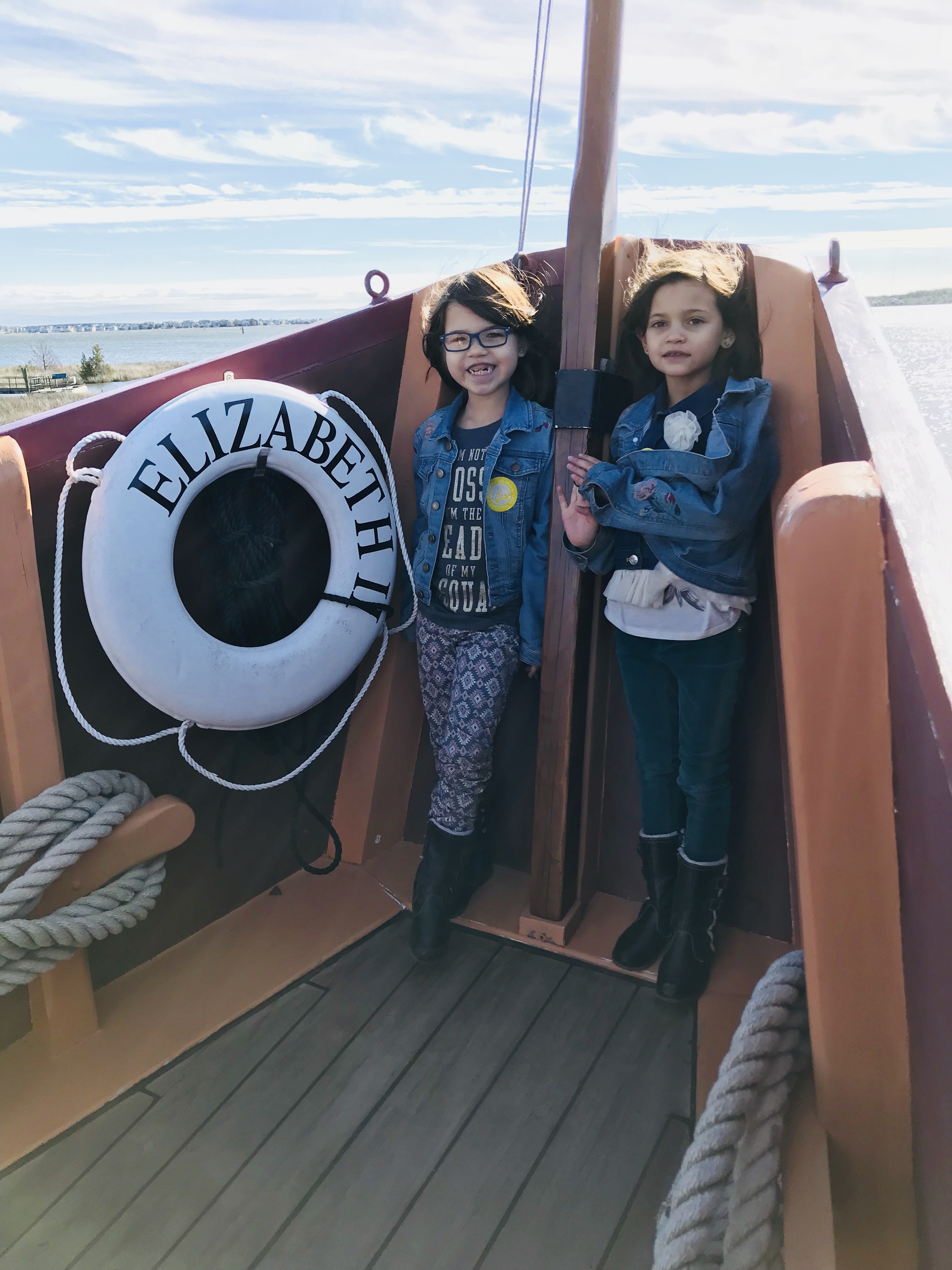
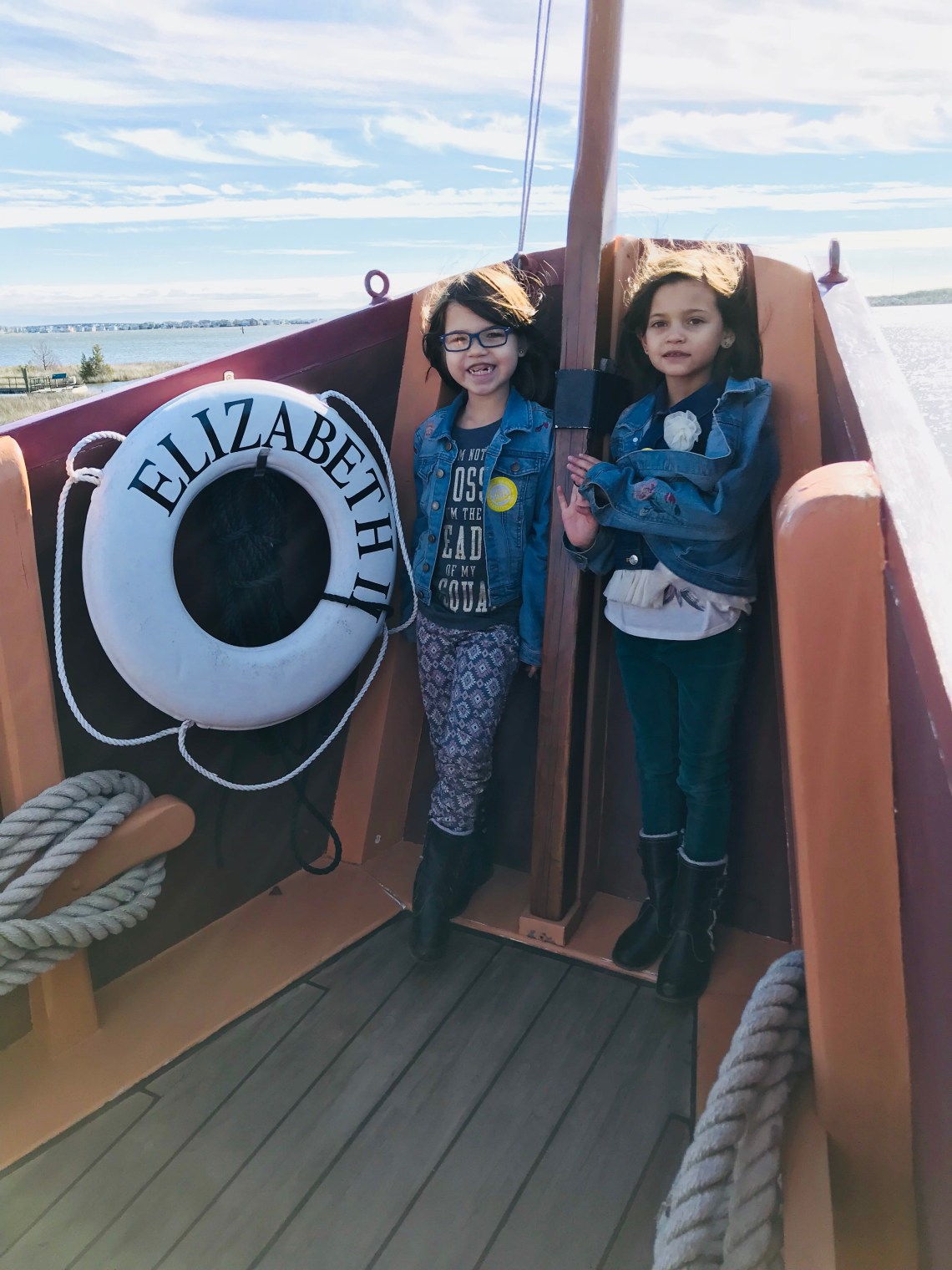
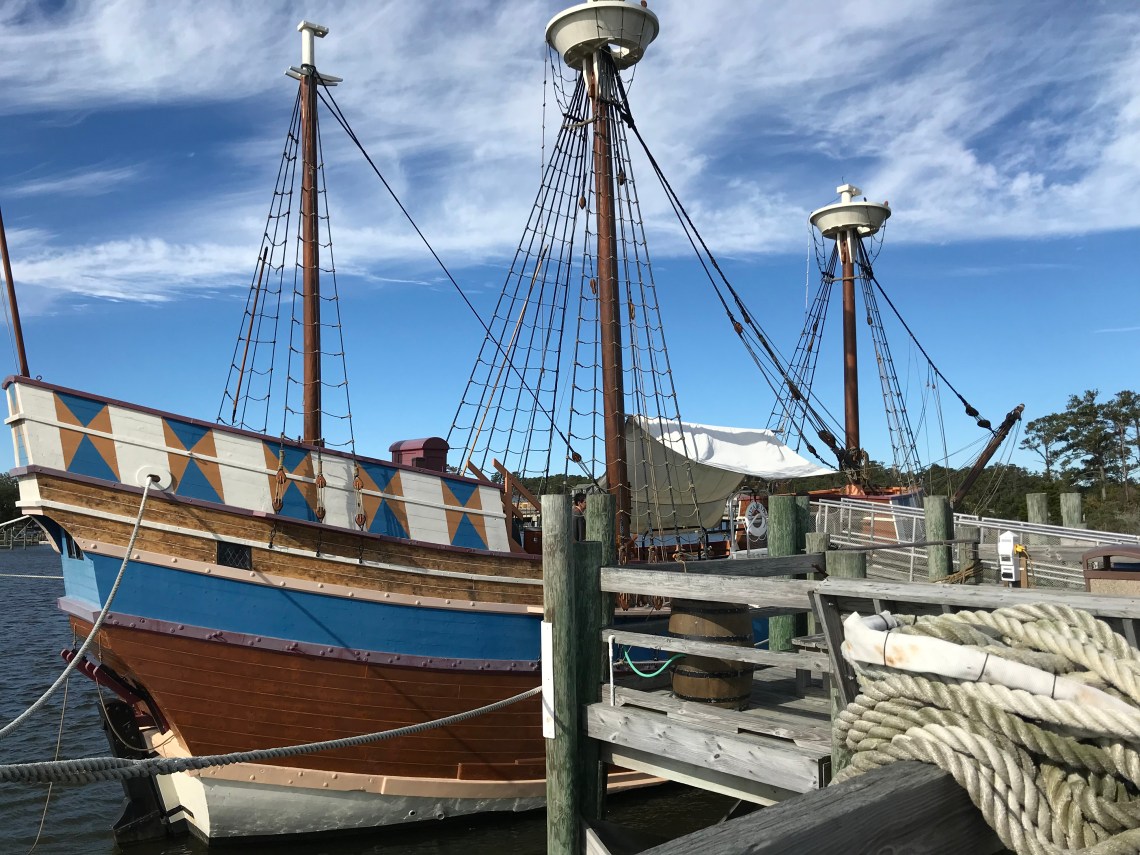
In search of more interesting history, another day, we went South to Roanoke Island. We visited Roanoke Island Festival Park, where we learned all about the English settlement of Roanoke. These settlers arrived to Roanoke Island in 1585, where they began to create a life for themselves. The settlement did not last, as things became increasingly difficult. They were without enough food, and relations with Native Americans had gone downhill. More supplies were being sent from England to help, but when the relief ships did not arrive in April of 1586 as they were supposed to, the colonists set sail to return to England.
In 1587, another group of colonists were sent from England to settle on Chesapeake Bay, but they were to first stop at Roanoke to pick up supplies that had been left by the relief ship (which did arrive after the first colonists left). Once there, their captain refused to let them back on the ship to sail on. So, they were forced to pick up where the last colonists left off, repairing their village and settling there. After a colonist was killed by a Native American in retaliation for actions of the original colonists, the new colony sent for help from England. In the meantime, England had gone to war with Spain, and all fleets were tied up in that battle. It wasn’t for another three years before relief ships could be spared to return to Roanoke. At that time, none of the 115 colonists could be found. The village was gone, and so was everyone who lived there. No one knows what happened to the Lost Colony. They either moved on, were killed, died of disease, or assimilated with the native people and followed them to new territory. It remains a mystery. The place we visited is a sort of living history and hands-on museum.

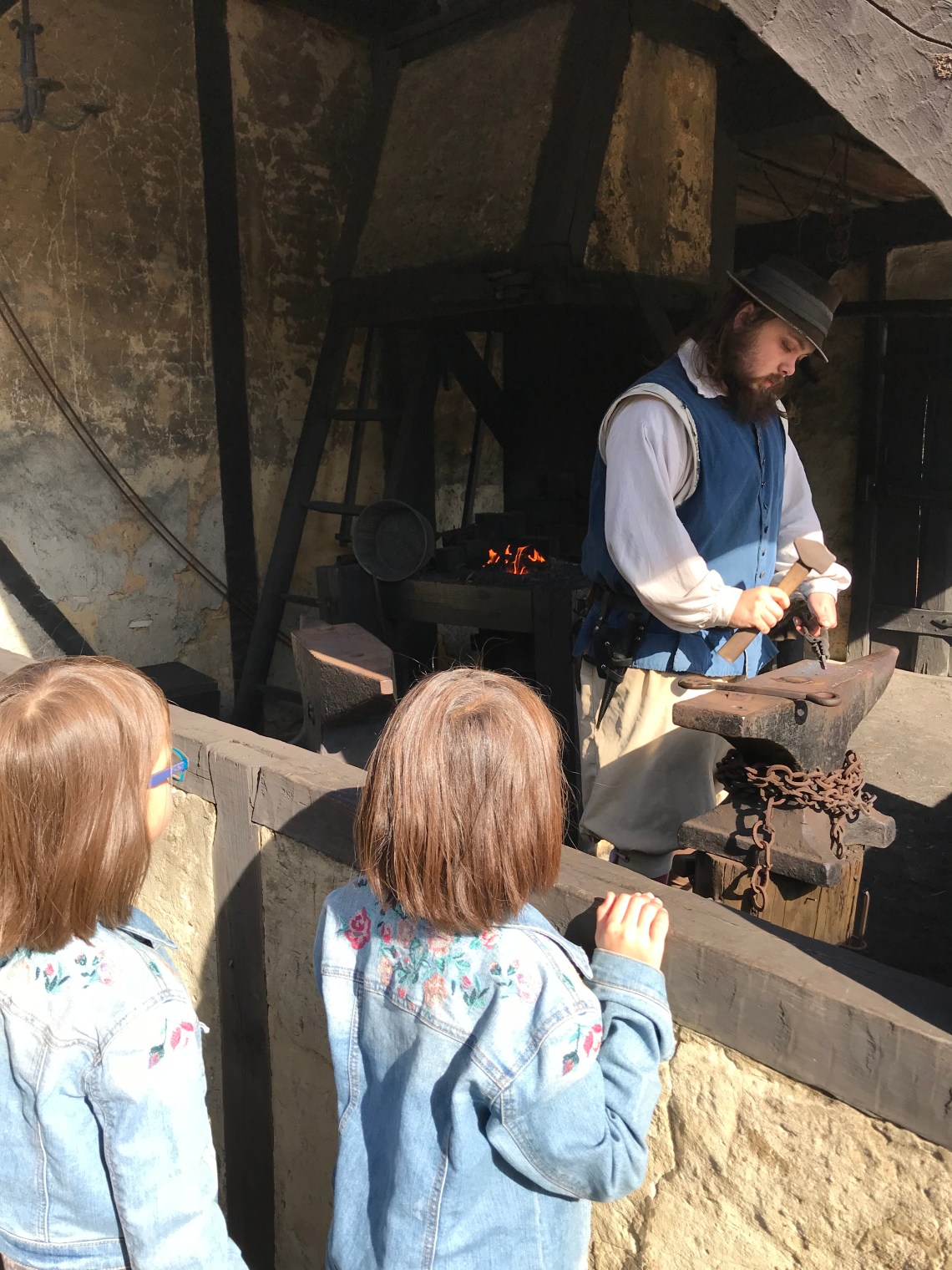
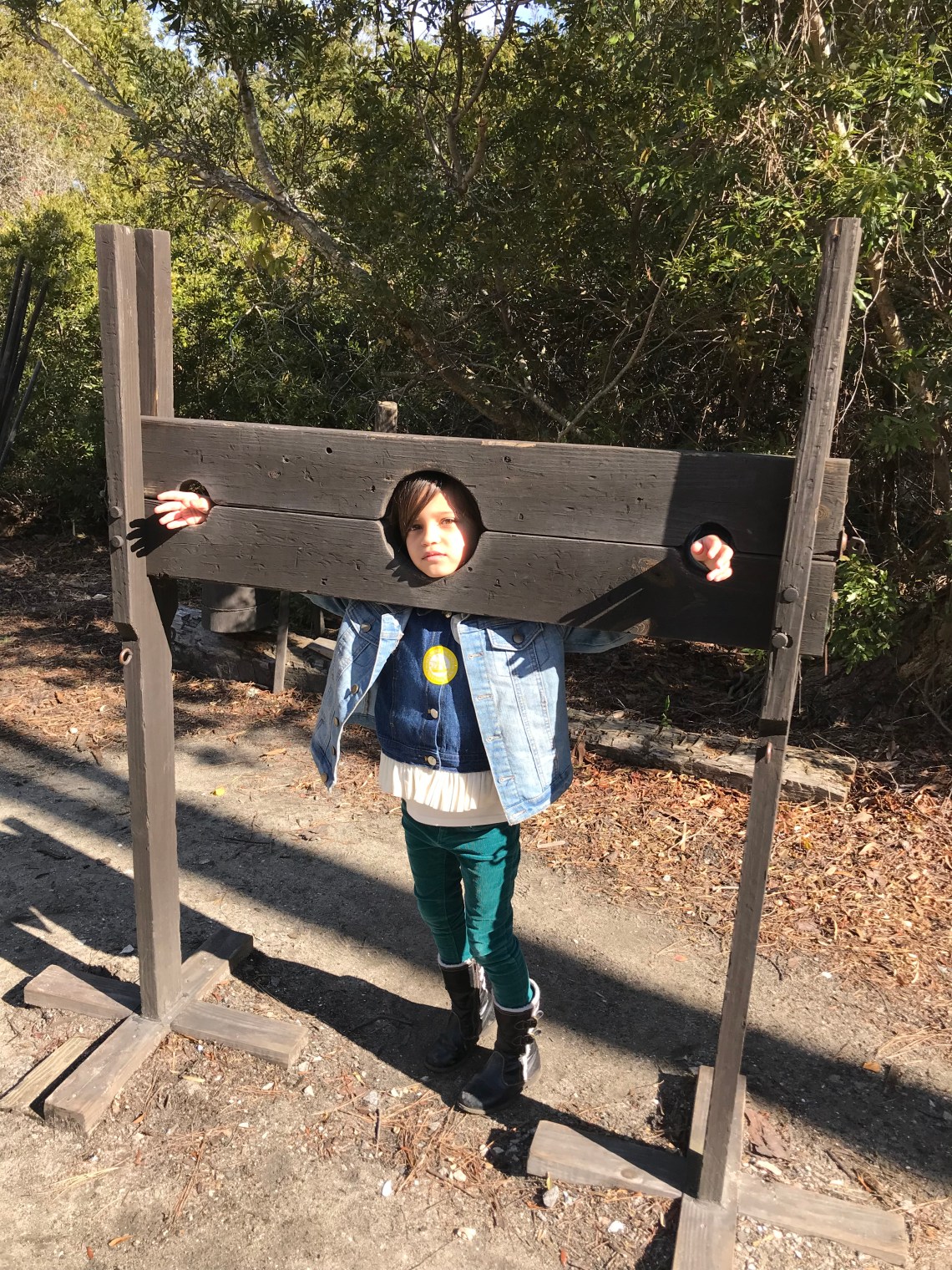


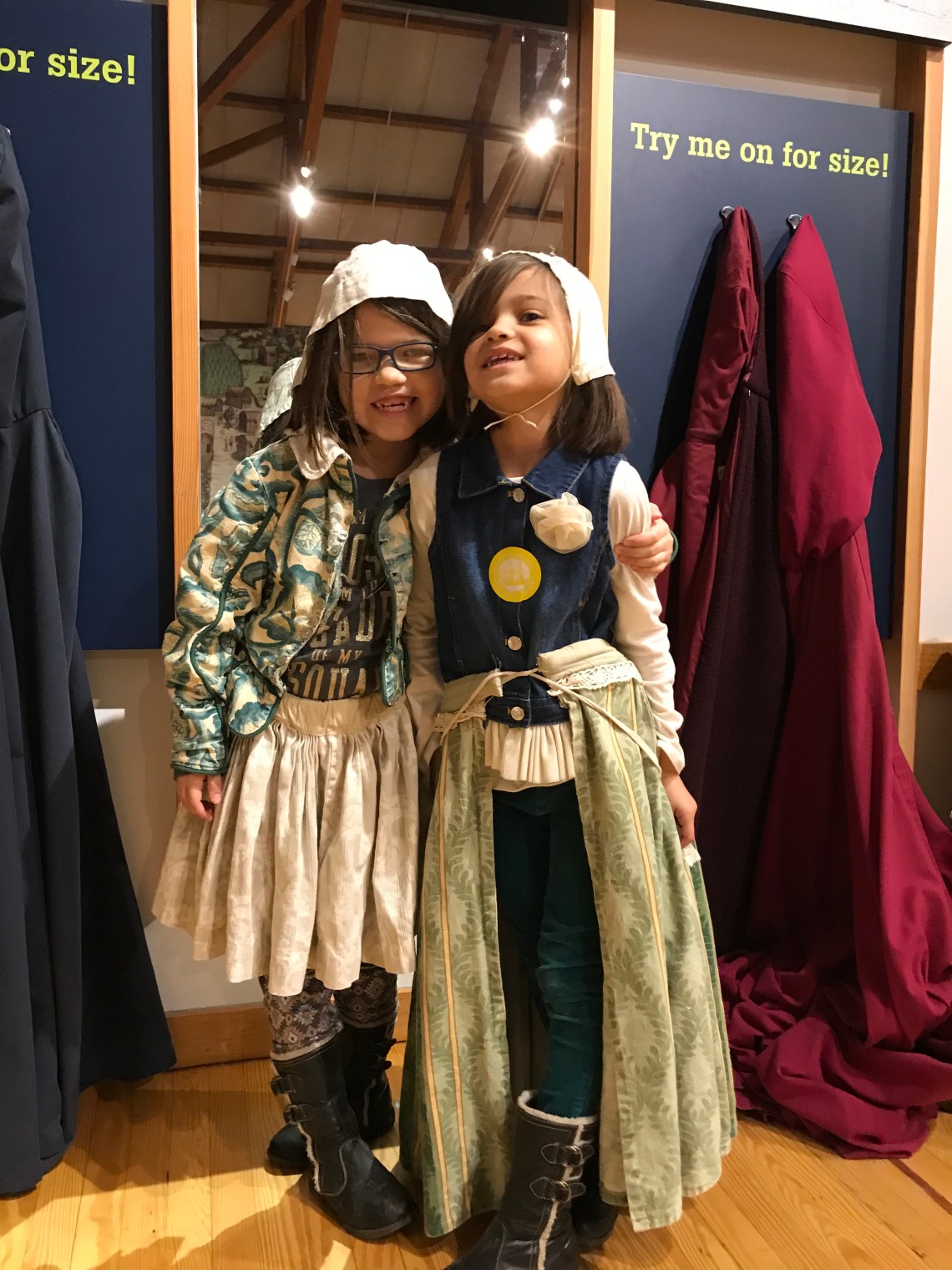

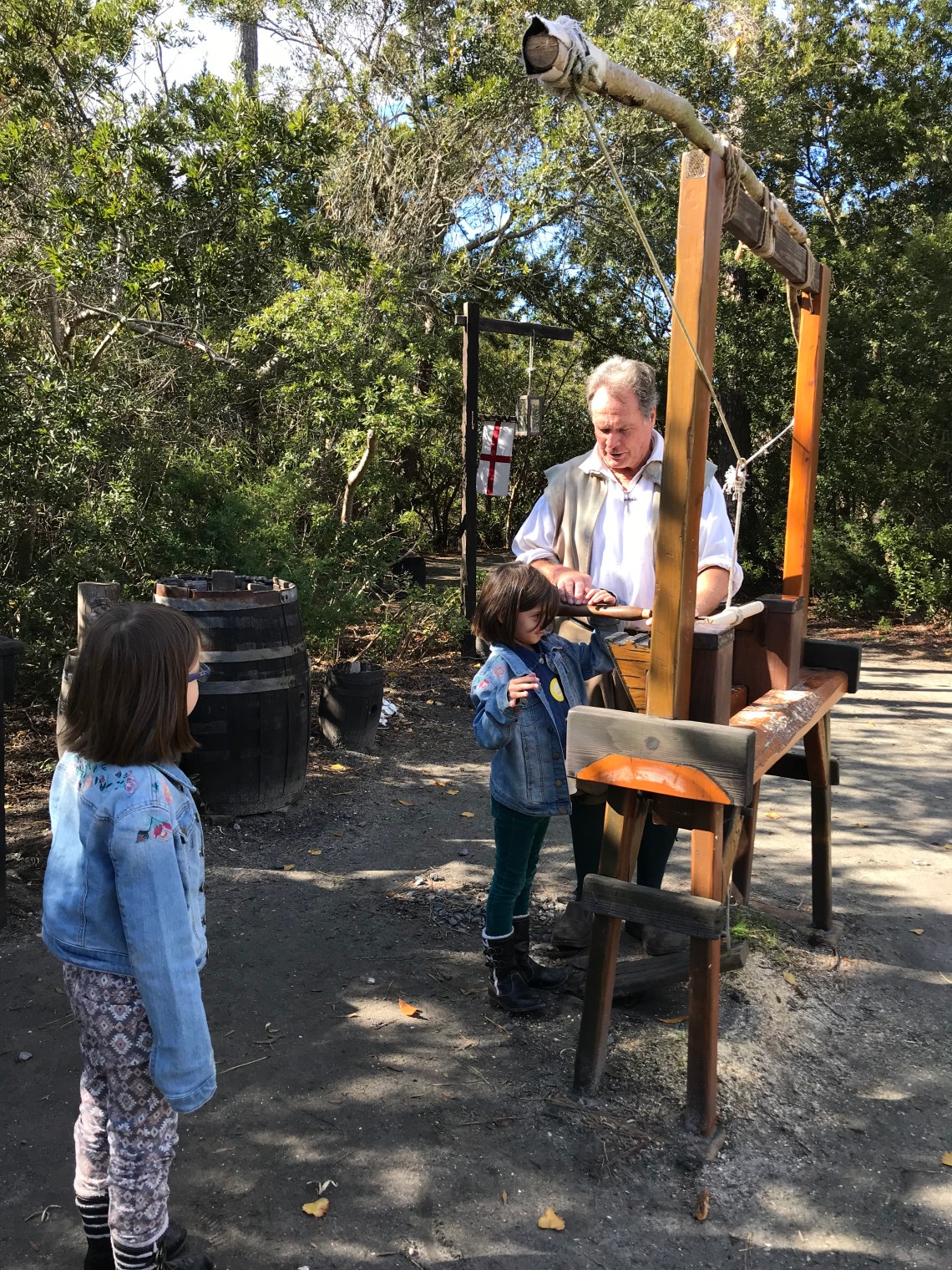
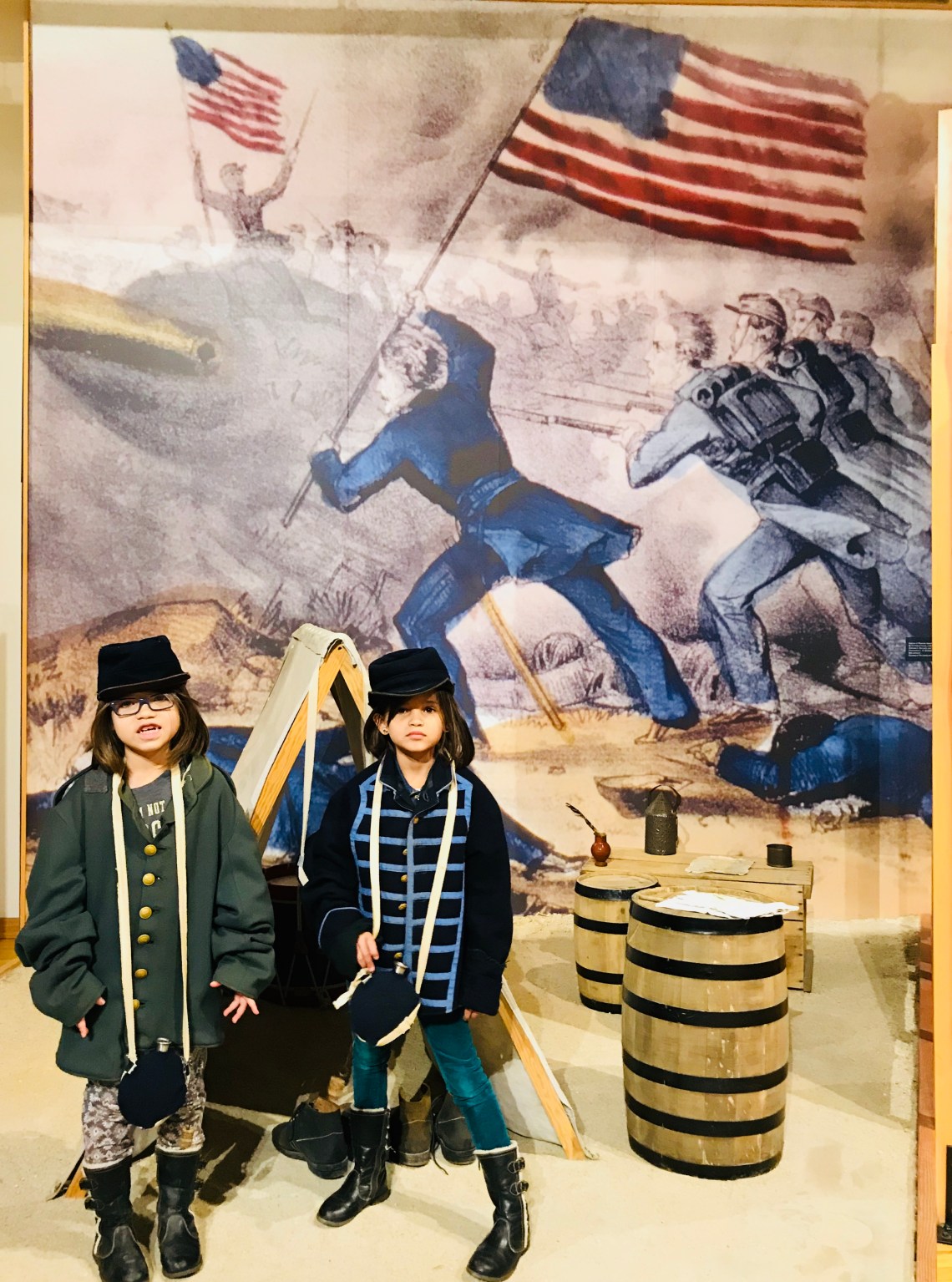
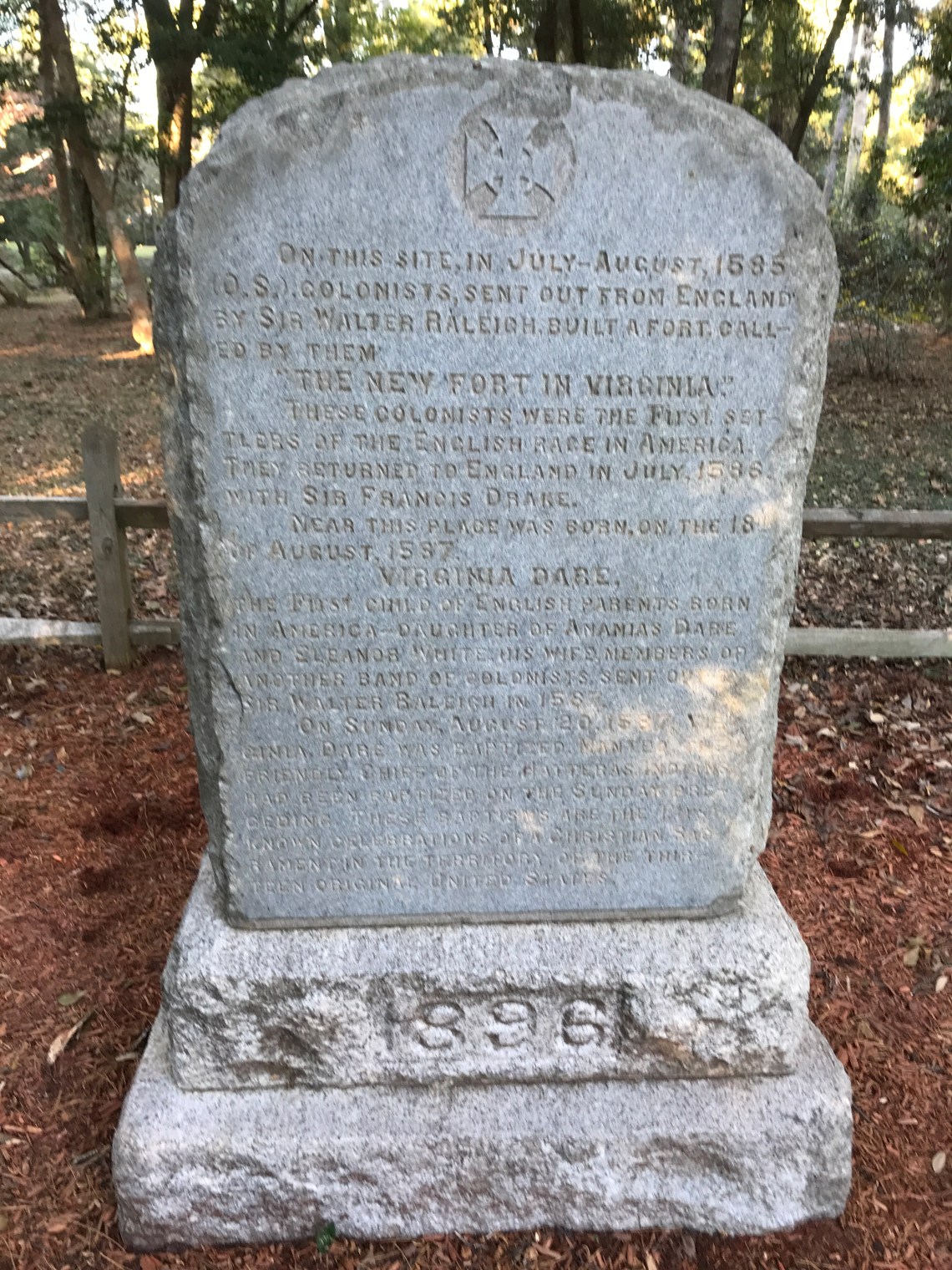
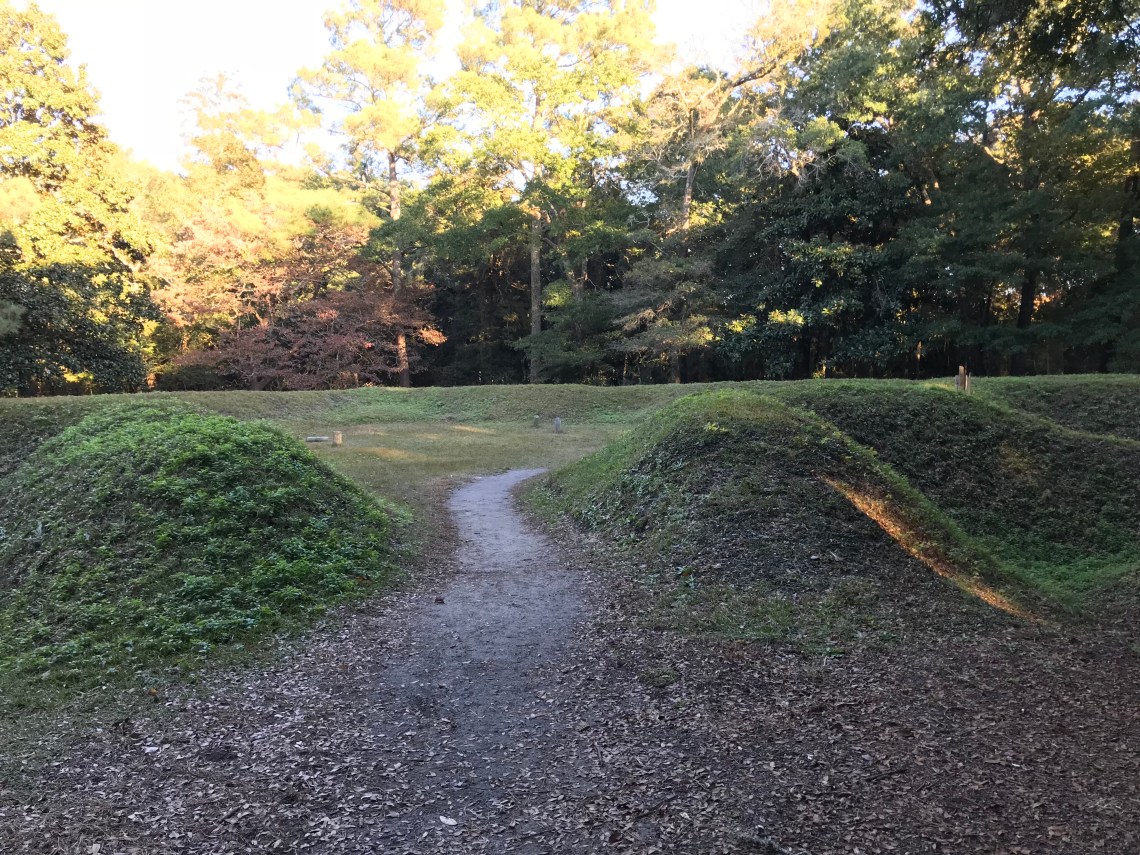
After our trip to Festival Park, we stopped at Fort Raleigh National Historic Site, which is believed to be the actual site of the Lost Colony, though nothing remains. We walked the grounds and toured the visitor center.

Another interesting piece of history about the Outer Banks is the amount of shipwrecks that have occurred around these barrier islands. Known as the “Graveyard of the Atlantic,” the area around Cape Hatteras is particularly challenging because of colliding currents, nor’easters, and hurricanes. The Diamond Shoals, which is a constantly shifting group of shallow, underwater sandbars that go out eight miles from the Cape, was also dangerous for the ships before navigation systems became available. Nevertheless, many ships are now buried in this graveyard of the Atlantic.
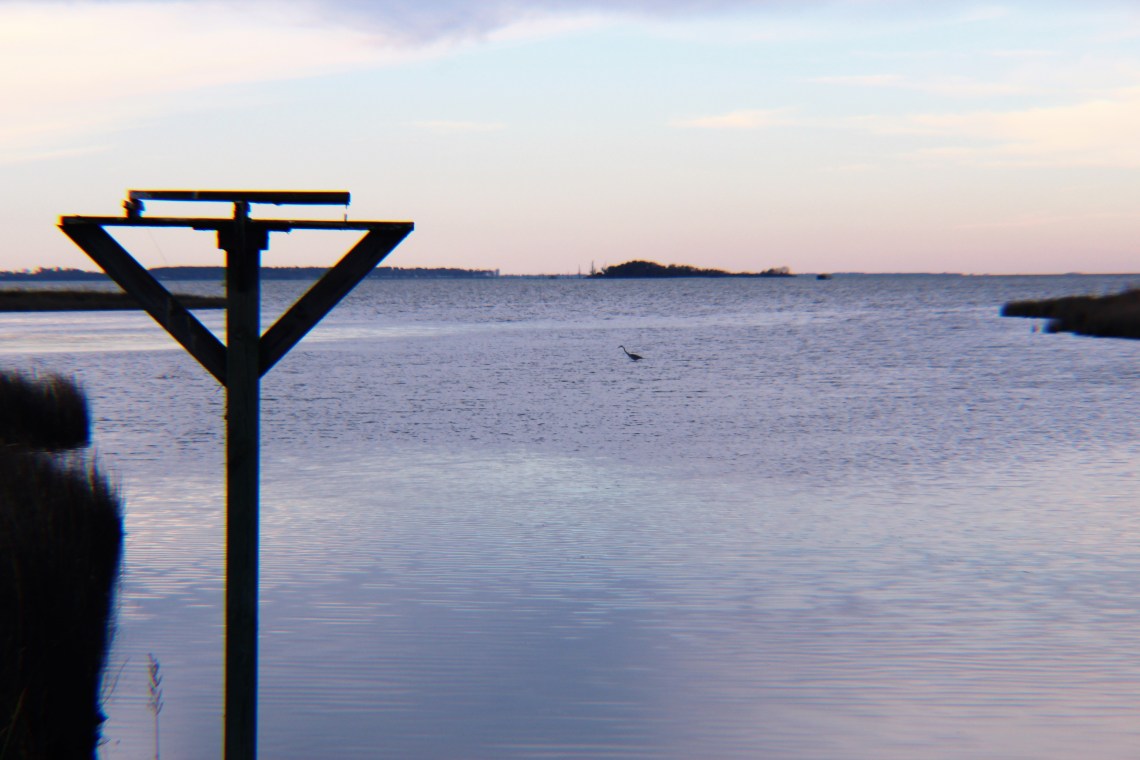
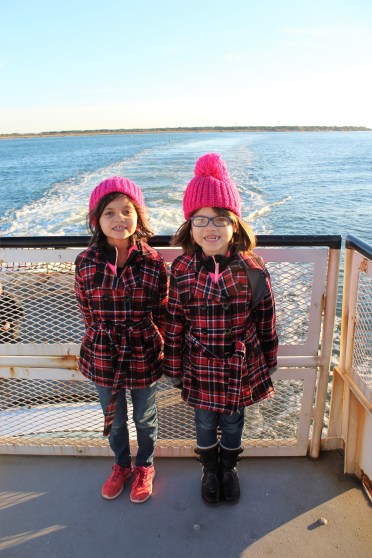
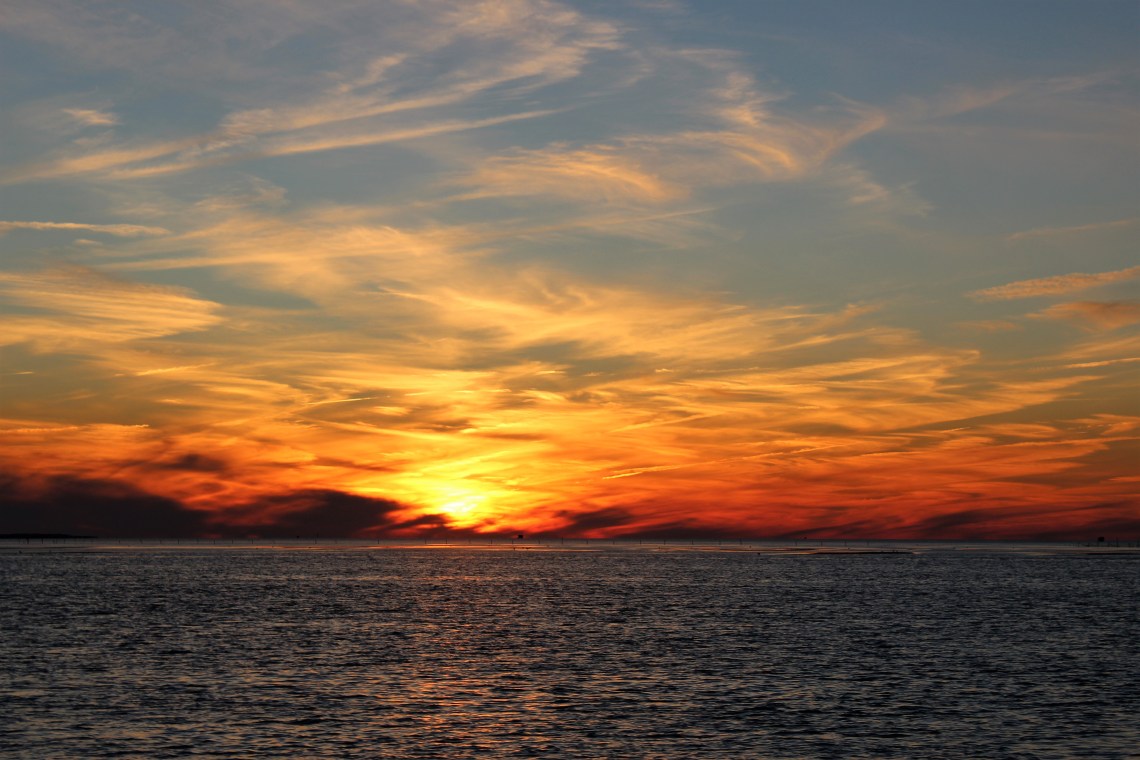
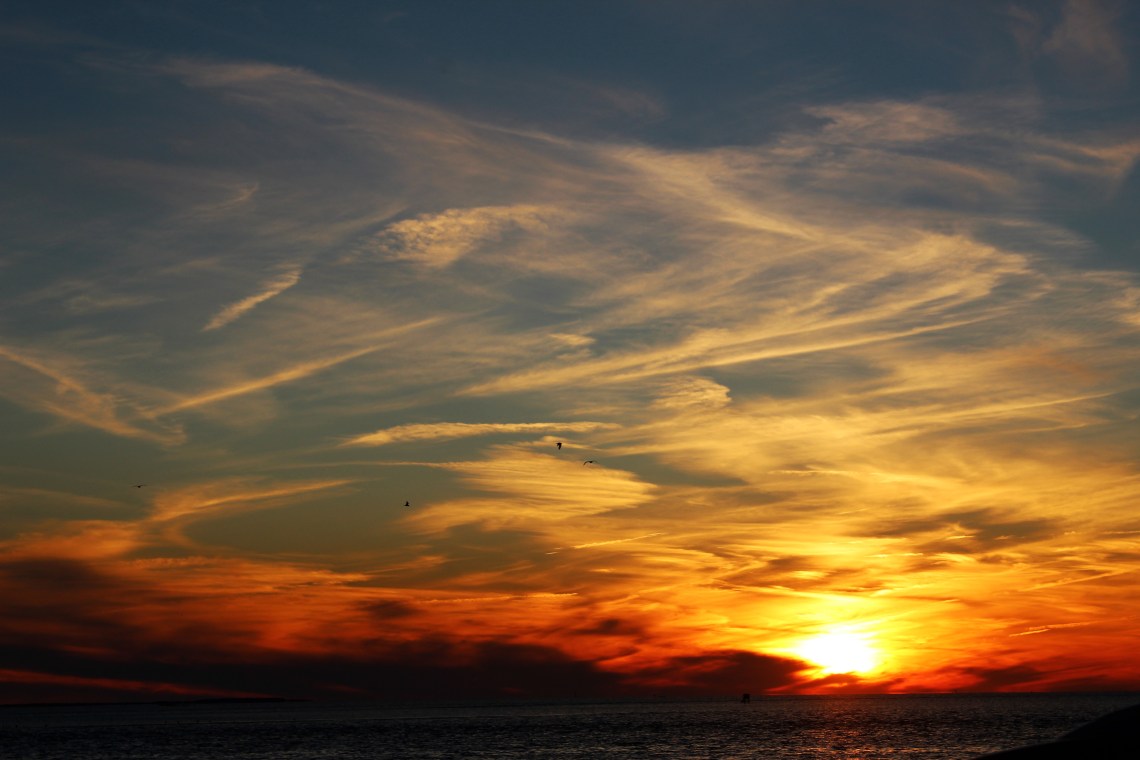
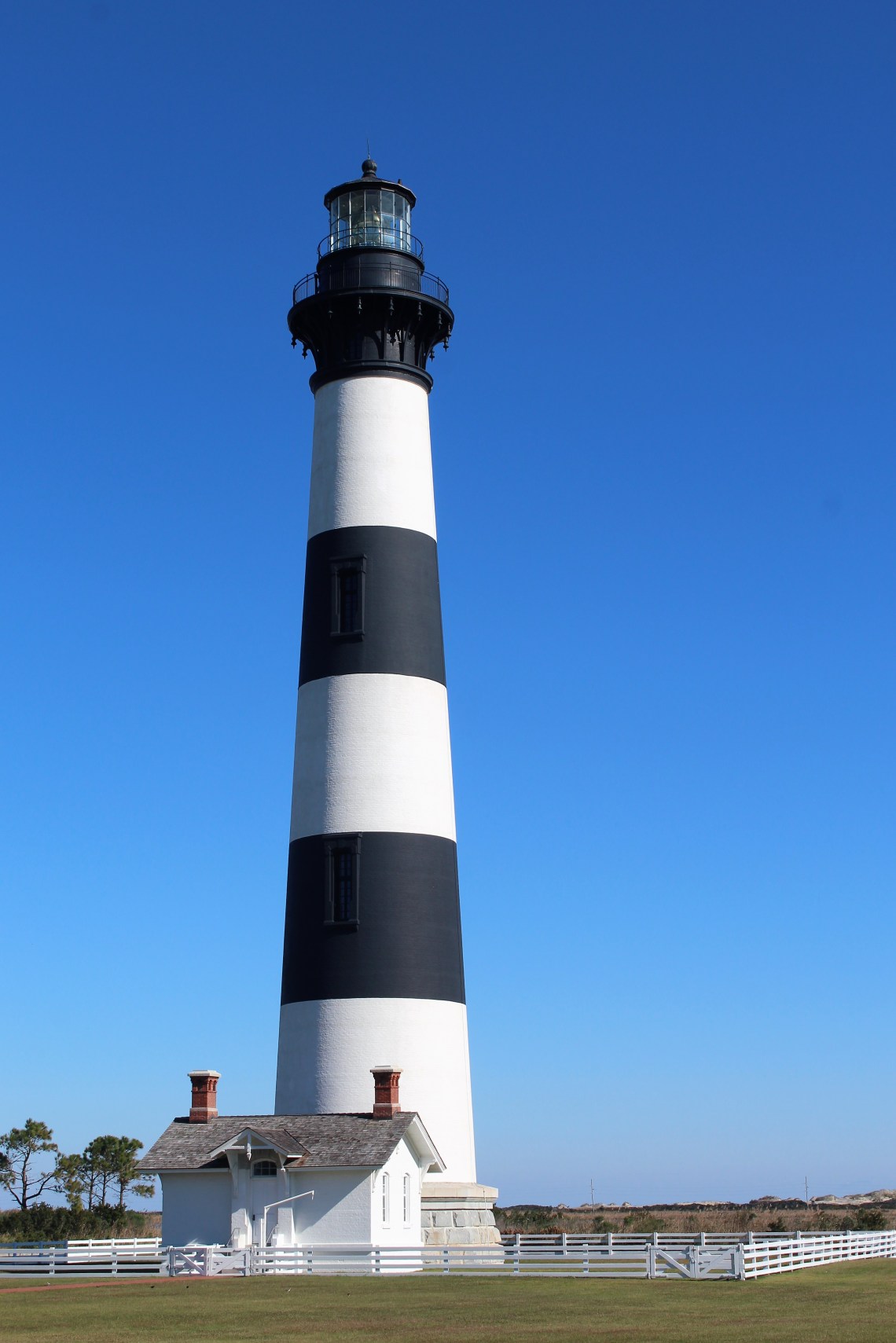
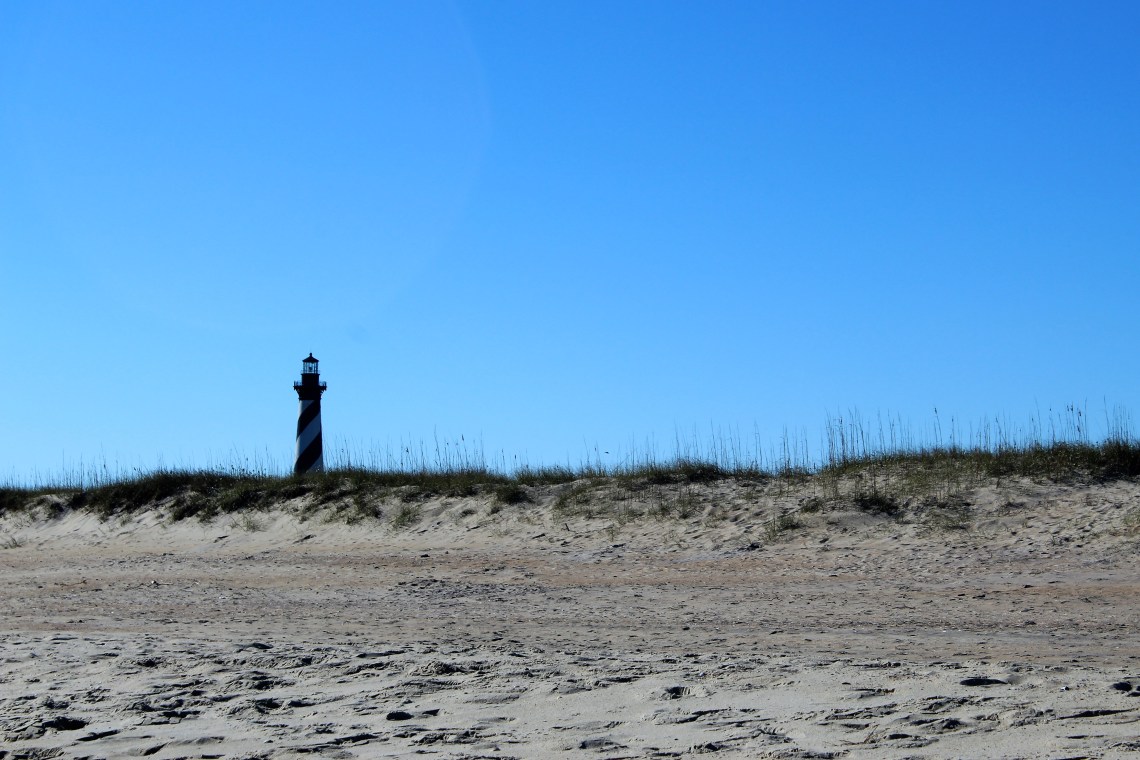
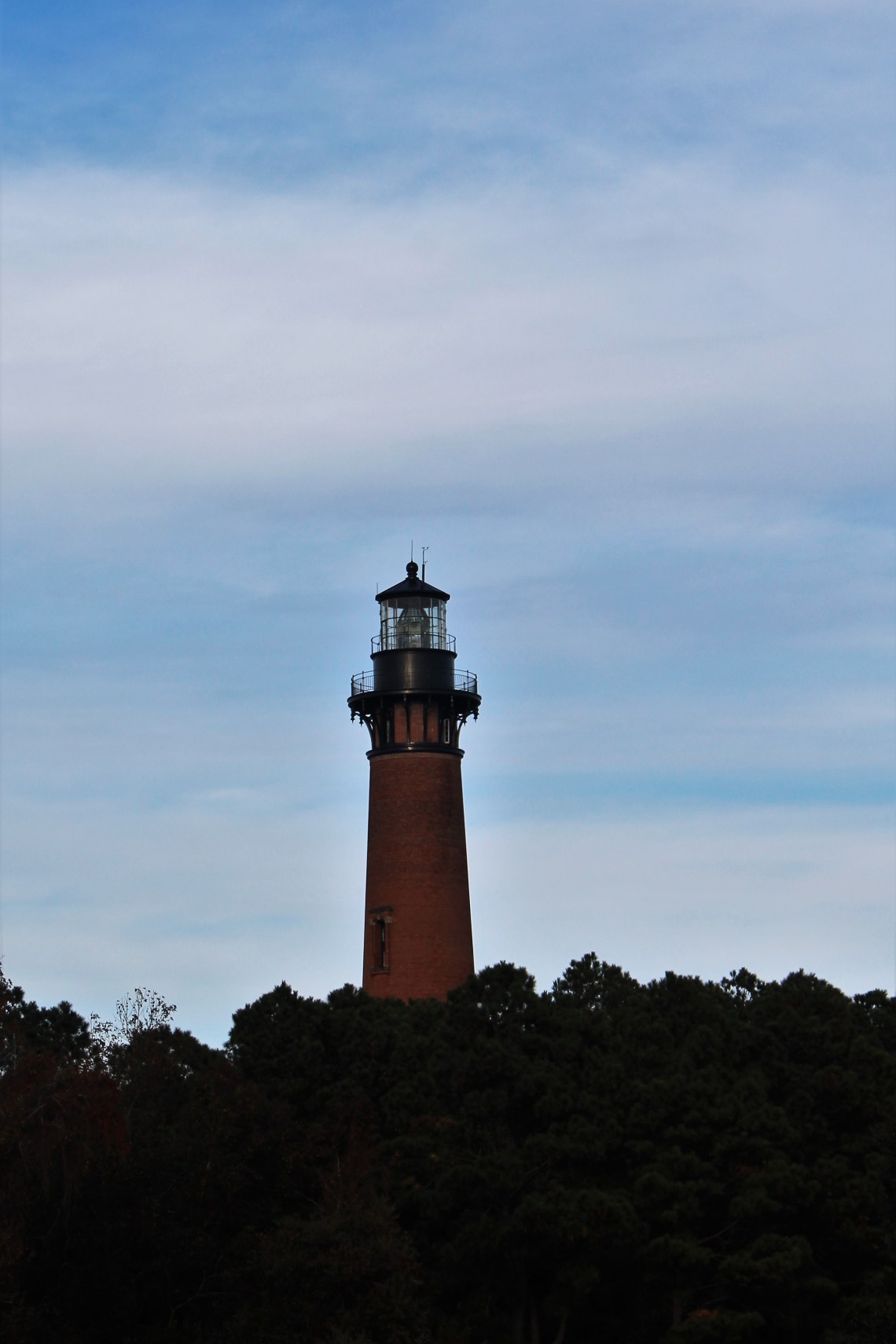
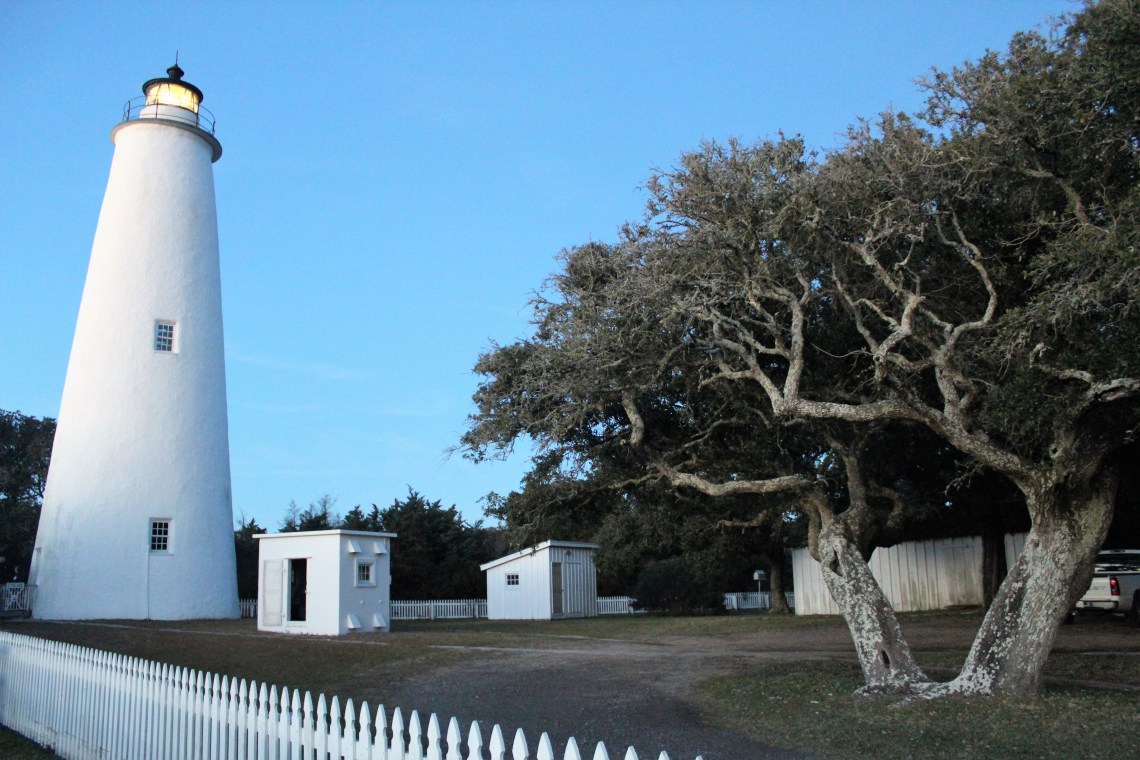
This treacherous area is also the reason that so many lighthouses can be found in the Outer Banks. We had the privilege of seeing four of them: Bodie Island, Cape Hattaras, Ocracoke Island, and Currituck. We had to take a one-hour ferry to Ocracoke Island to see that one. We watched a beautiful sunset while on the ferry, and the girls loved that we got to drive onto the boat. We also got to see Ocracoke at dusk, which was very pretty.






I like everything about the Outer Banks: Wild horses, shipwreck history, lighthouses, lost colony. It’s all fascinating. The beaches are also pretty gorgeous! Next time we visit, we’ll make sure it’s warm enough to spend more time on them!

 4ina5
4ina5 