

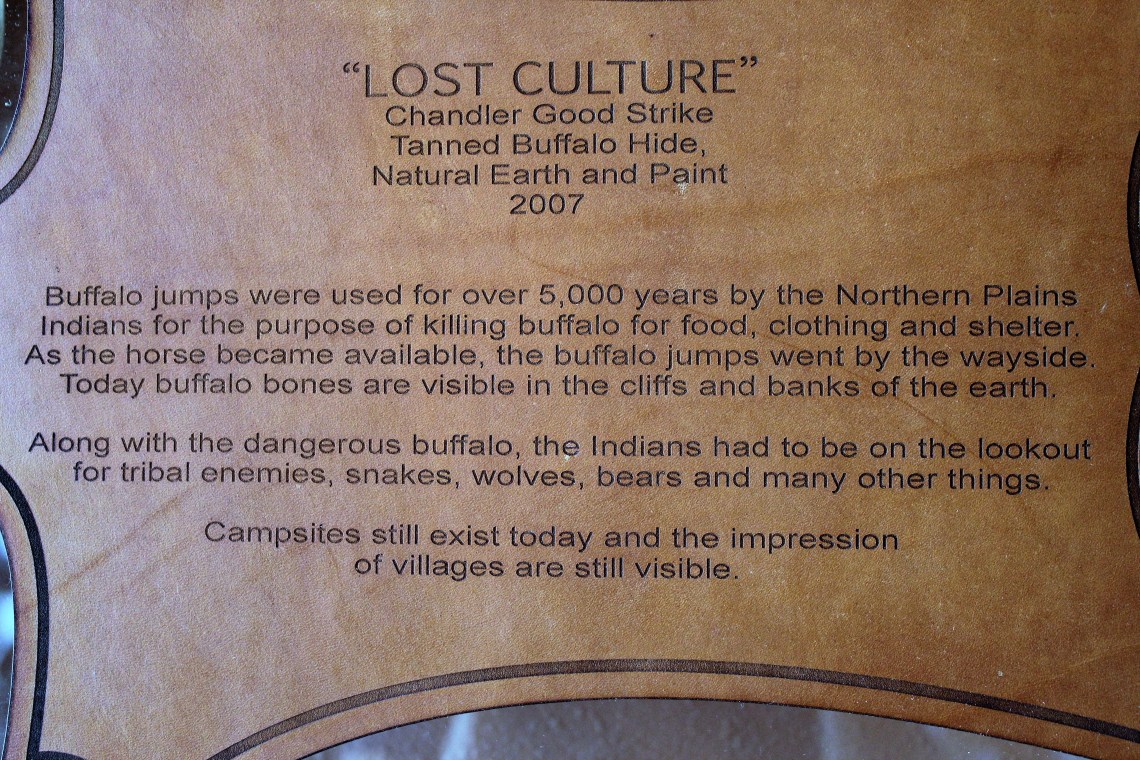
While staying in Great Falls, we visited the First Peoples Buffalo Jump State Park in Ulm, Montana. Native people used jump sites to kill buffalo and use them for food, shelter, clothes, and lots of other things. No part of the buffalo went unused. It’s pretty fascinating how creative they were. For example, horns were used as utensils and poop was used to build fires.
Hunters, also known as runners, herded the bison and drove them over the cliff. The runners would wear buffalo headdresses and run with the herd, until the bison were at a fast enough speed to not be able to stop at the cliff. They would go over, breaking their legs and becoming immobile. Tribe members waiting below would finish them off with bows and spears.
There are many jump sites around the country, but First Peoples Buffalo Jump State Park and National Historic Landmark is thought to be the site of the largest bison cliff jump in North America. It is also an archaeological dig site, as several feet of compacted buffalo remains rest below the cliffs.
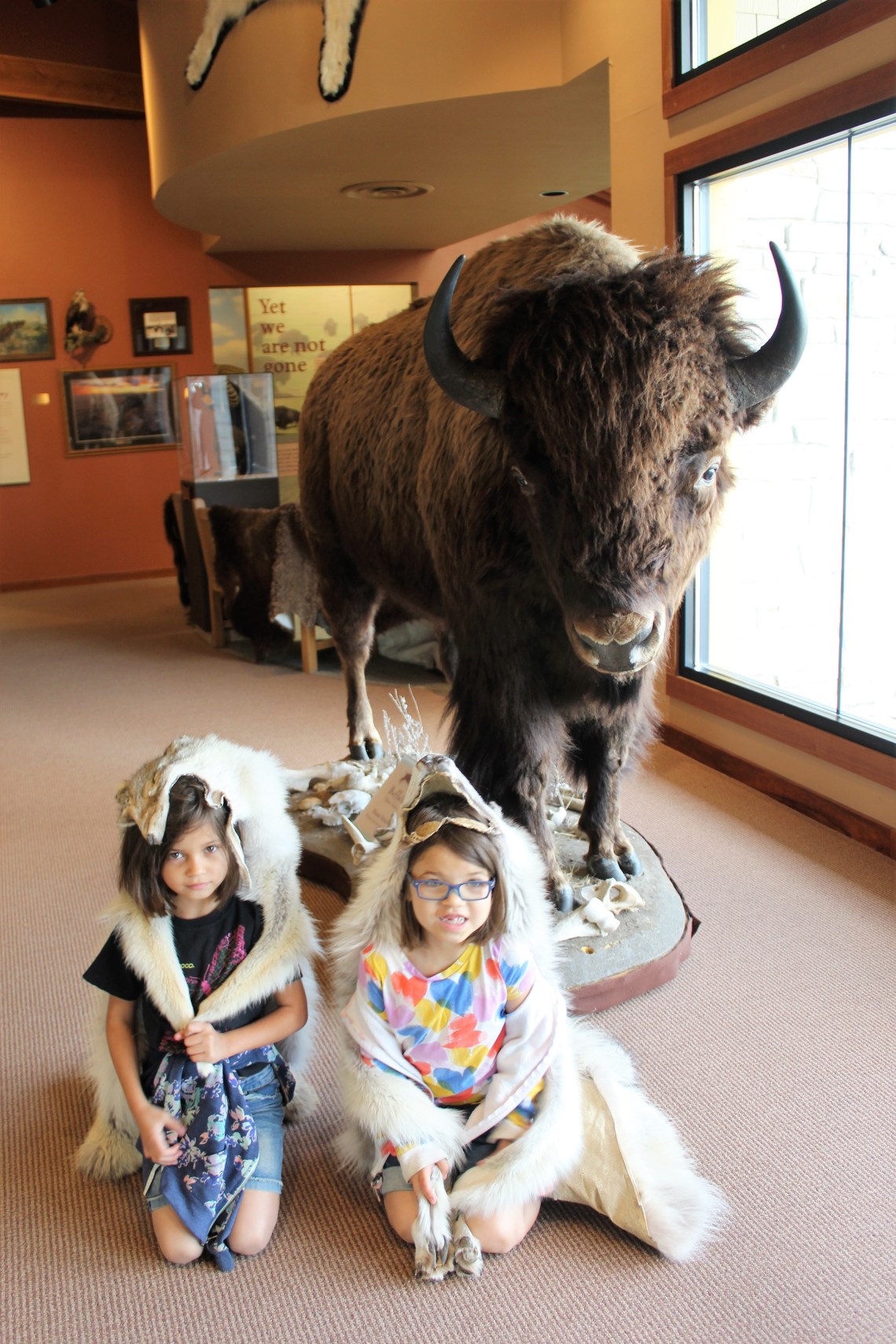
We learned all of this at the interpretive center. The girls also enjoyed checking out the hides of wolves, buffalo, and other animals that are native to the area.
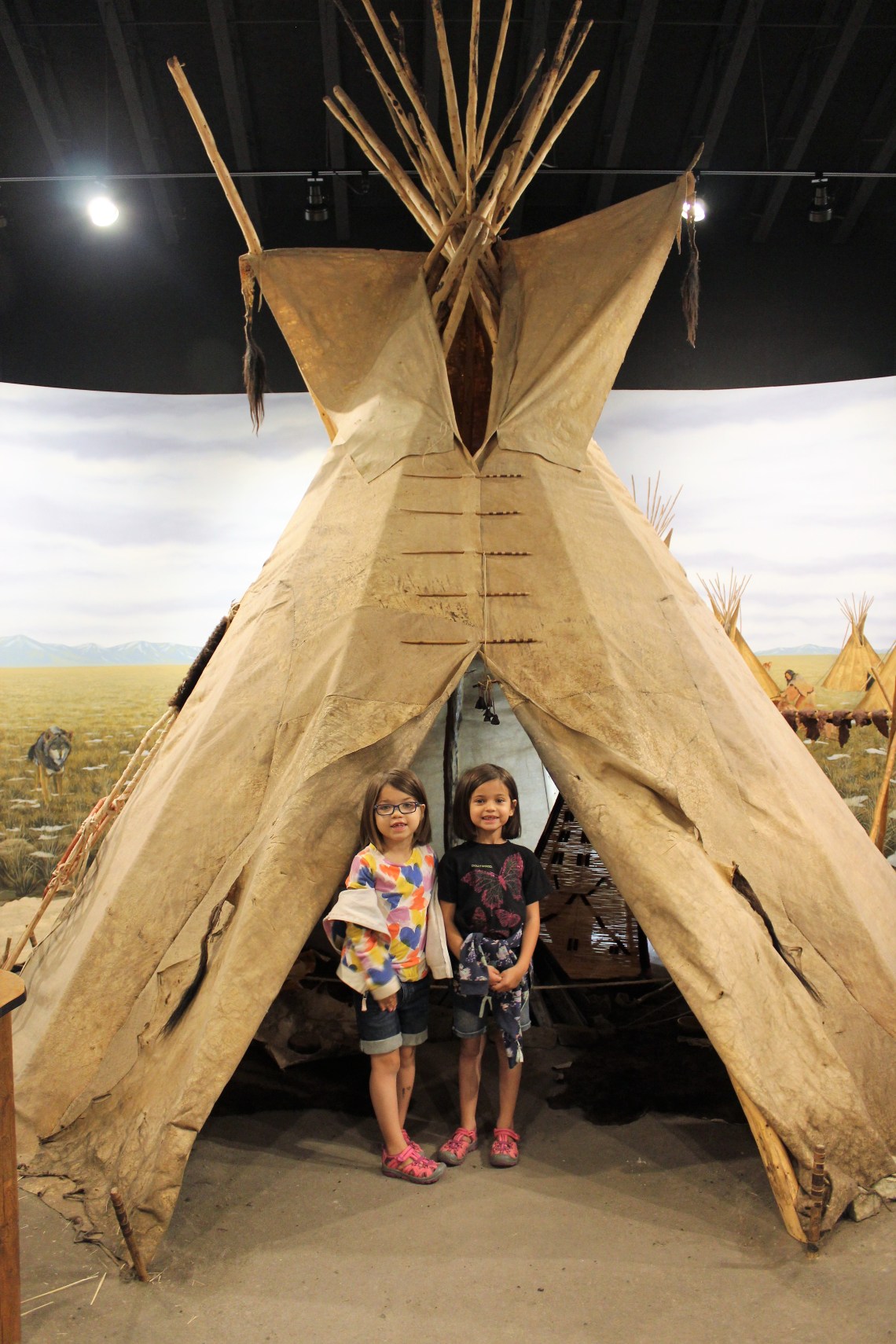
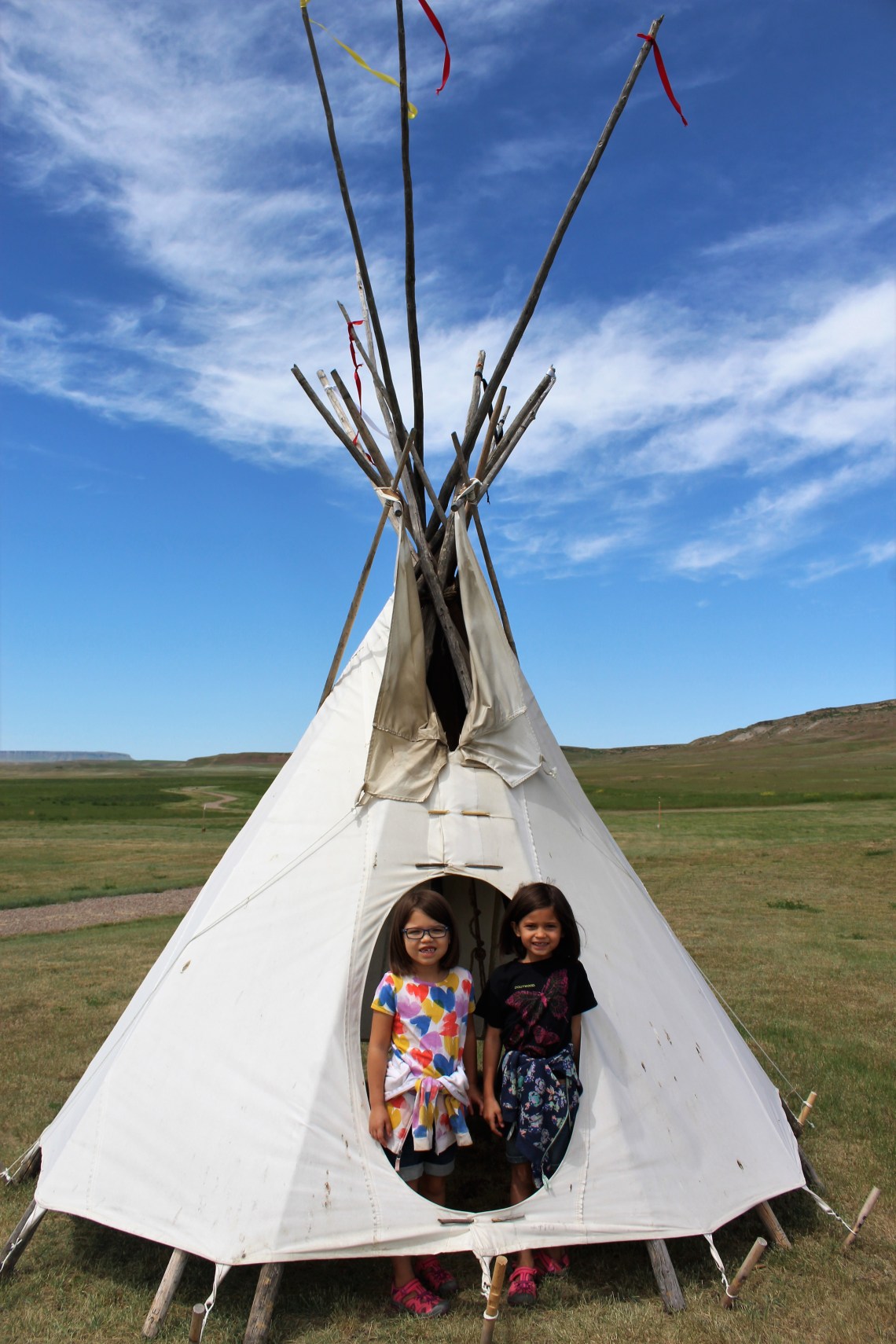
After learning about the jump site, we took the three-mile loop trail through the high plains, up to the cliff. The cliff is a mile long, and we were able to walk along the edge of part of it to look down below. The panoramic views are gorgeous, and the prairie dogs popping their heads up all over the place are a sight to see! I couldn’t help but feel a little bad for the buffalo that went over those cliffs, and a sort of admiration for the bravery of the Native people who stampeded the bison.
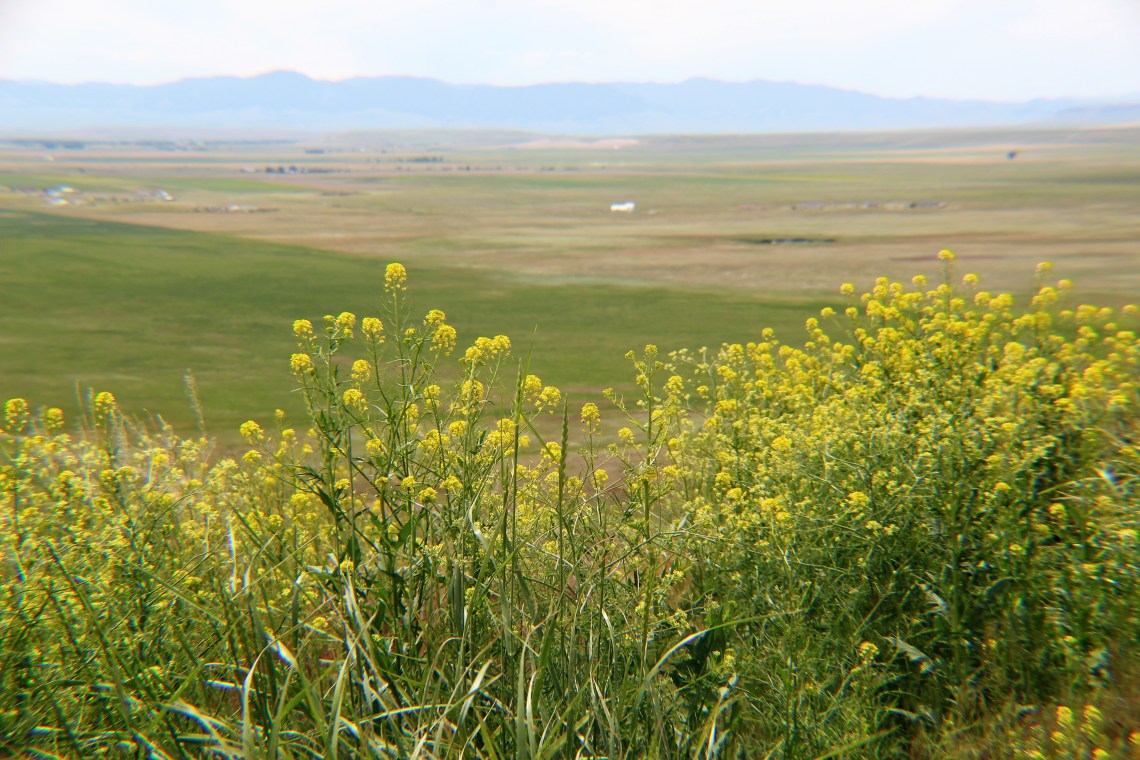
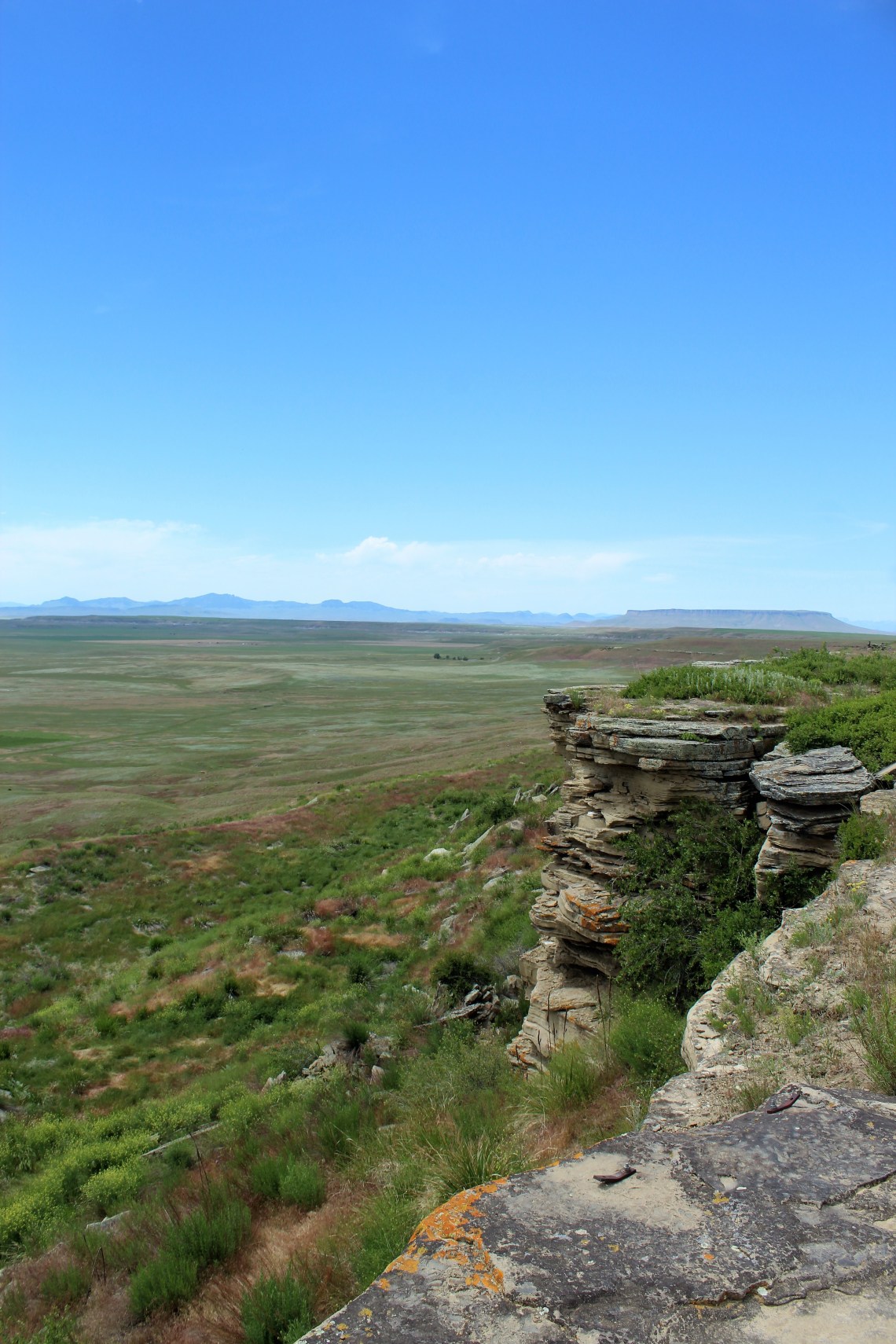
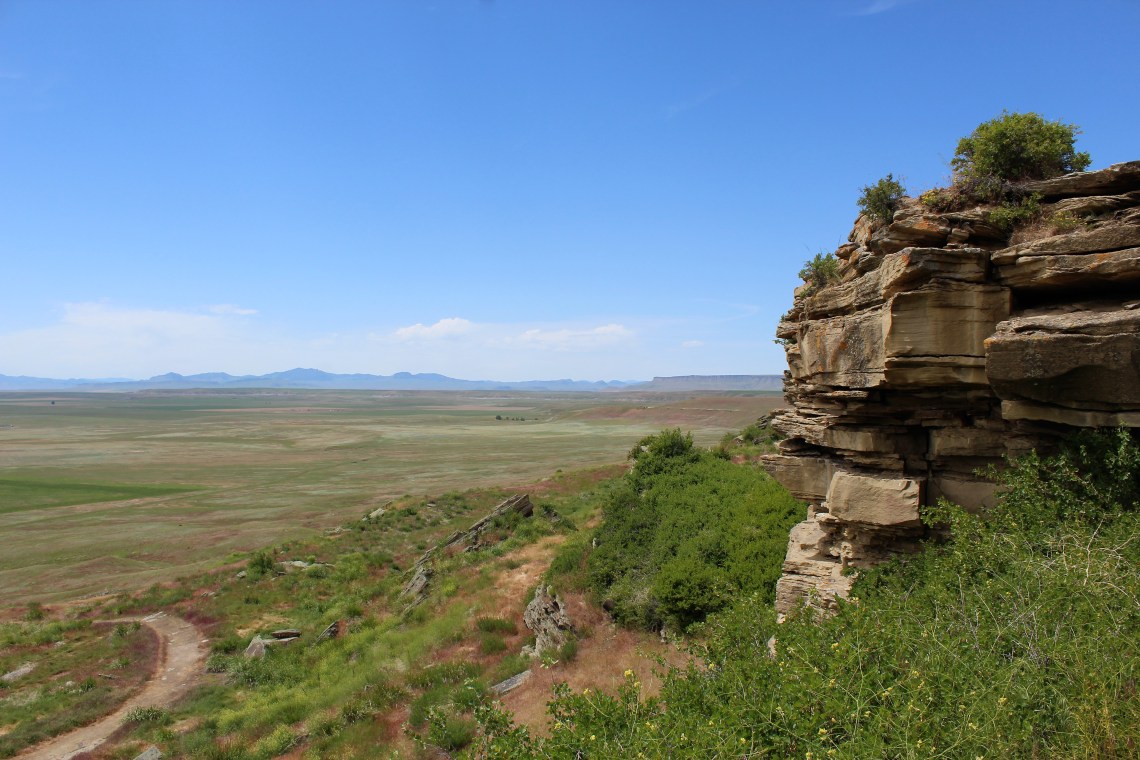
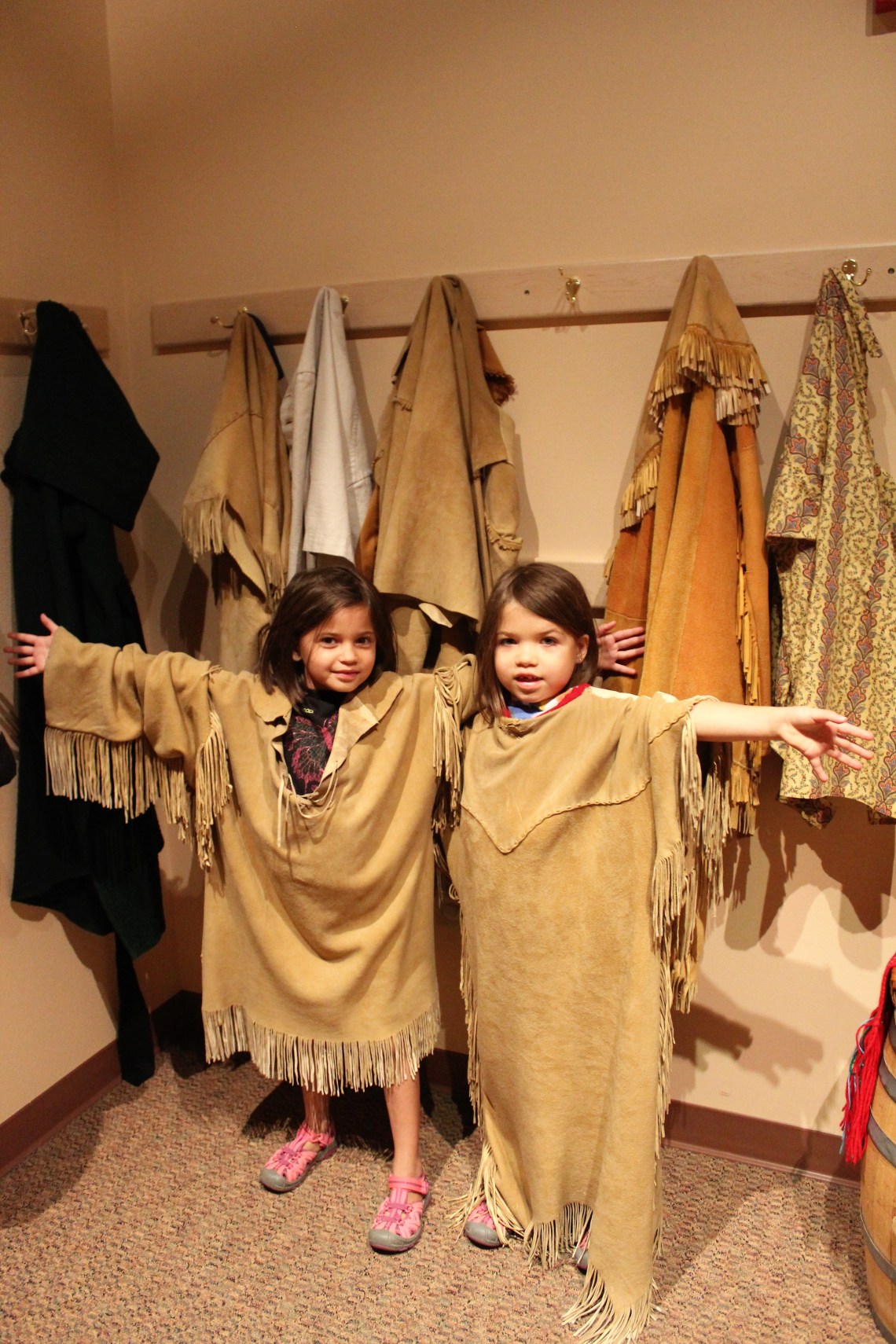
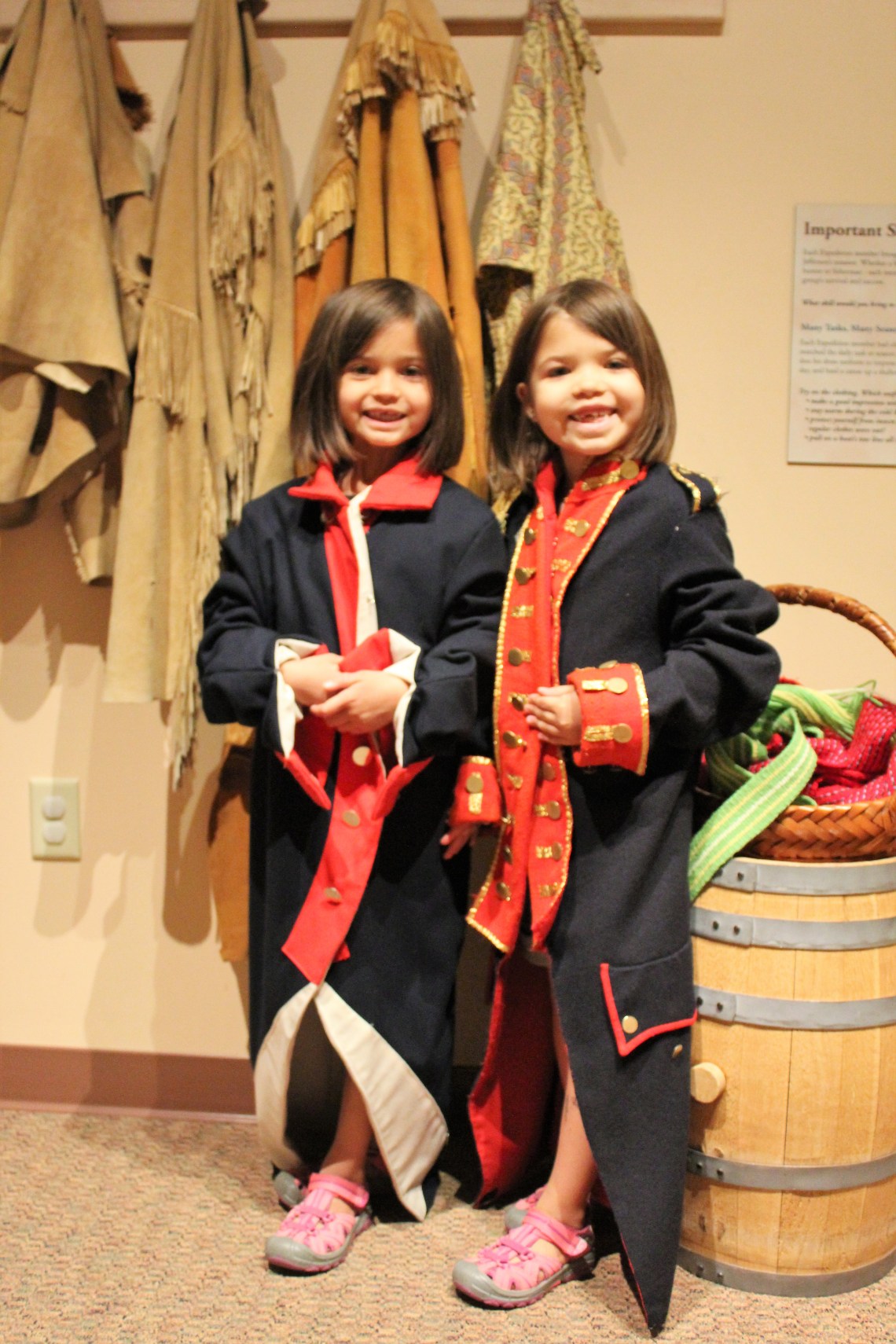
After we left the buffalo jump site, we decided to learn even more about the history of this neck of the woods, and we stopped in at the Lewis and Clark National Interpretive Center back in Great Falls. We learned about the expedition commissioned by Thomas Jefferson, the challenges faced, the route taken in Montana, and the encounters with Native people. After a brief film, we toured the interpretive center, and the girls tried on some clothes similar to what the Native people and the explorers wore.
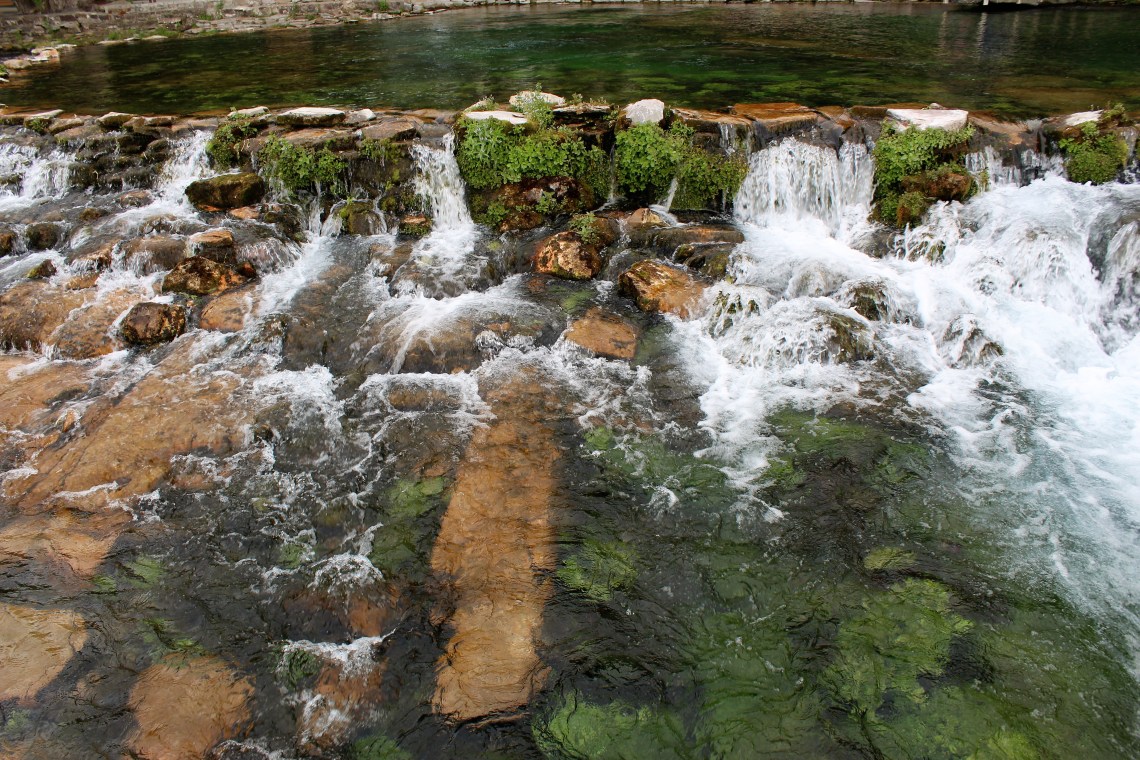
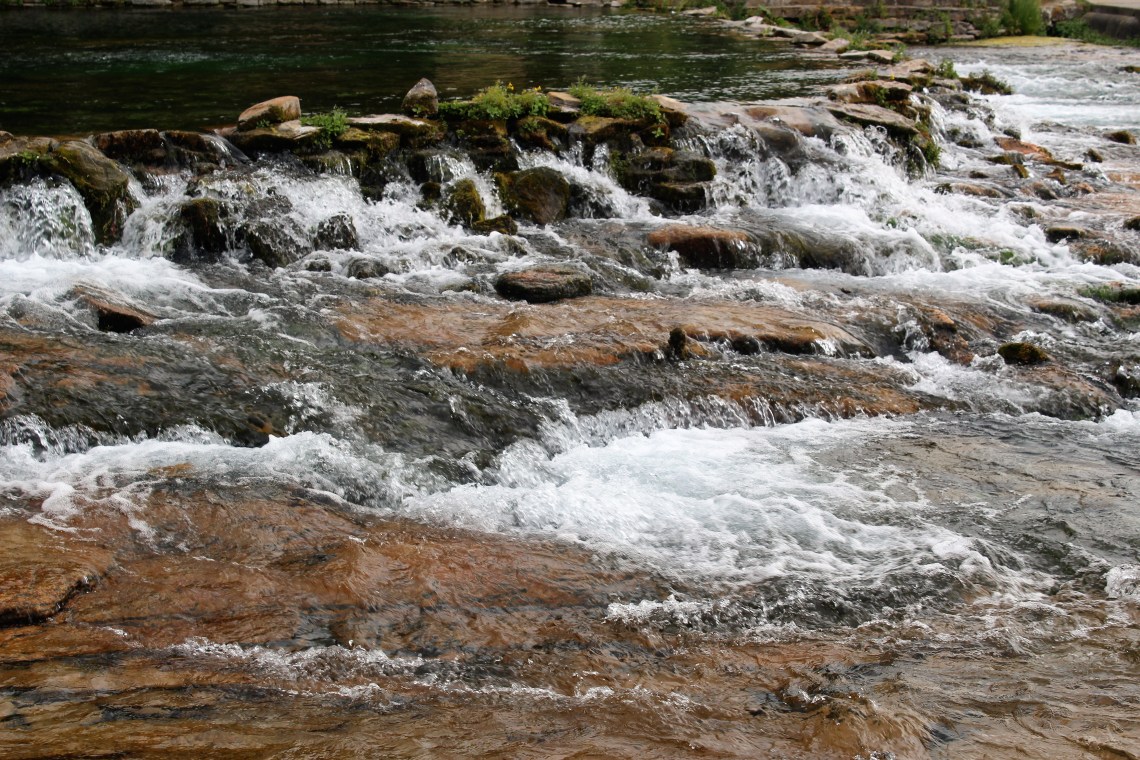
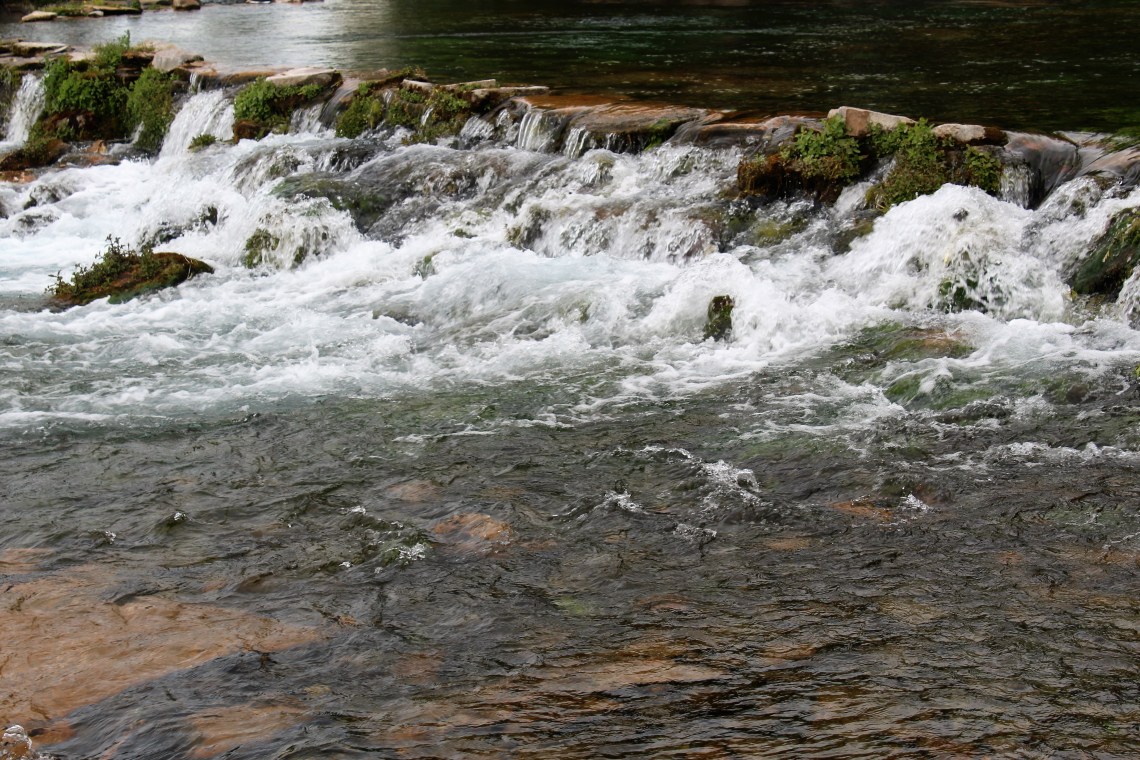
On the way back to the RV park, we made a quick stop at a third site: Giant Springs State Park. Giant Springs is one of the largest freshwater springs in the US, and it was first recorded by the Lewis and Clark Expedition of 1805. According to info provided by the park, the springs flow at a rate of 156 million gallons of water per day and the water stays at a temperature of 54 degrees.
Our visit to the Great Falls area was filled with beautiful vistas and lots of education! It also happens to be where Ray was born (43 years ago), while his dad was stationed at the Air Force base in town. It only took my husband four decades to get back to his first stomping ground, but once he did, he remarked, “It feels good to be back!”

 4ina5
4ina5 