


We arrived in Louisiana just before the Christmas holidays, stayed to ring in the New Year, and decided to stick around a little longer to visit the newest member of our family. Since my sister and Baby Wren were headed this way in mid-January, we couldn’t up and leave without seeing them. We’d last seen Wren (aka Birdie) at 6-weeks-old when we left Florida, and that was back in late September. So, we decided to make a trip to Mississippi, to get another state under our belts, before returning to see that sweet baby.
Ray and I have spent a lot of time in Mississippi over the years, and the girls have been there a time or two; but the RV had never been on Mississippi soil, so we settled on taking the short (less than three hours) drive to Natchez, a town full of historical homes and pretty gardens that overlooks the Mississippi River.
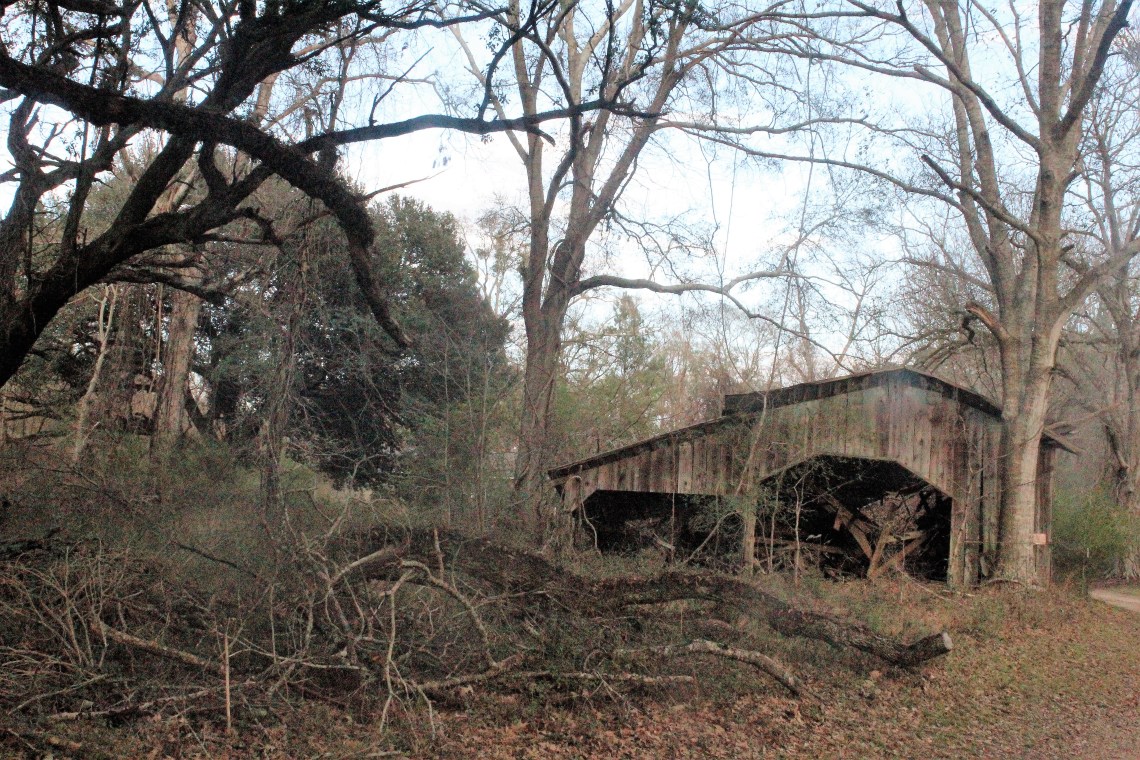
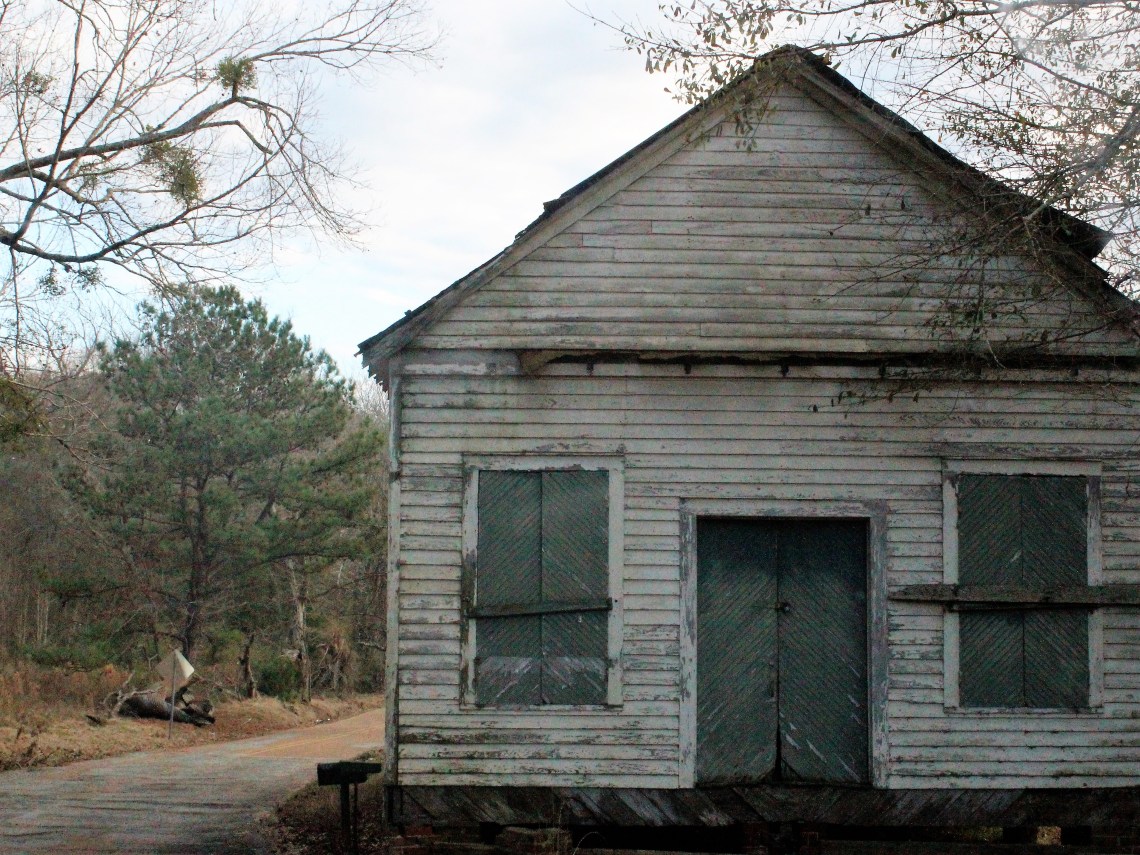
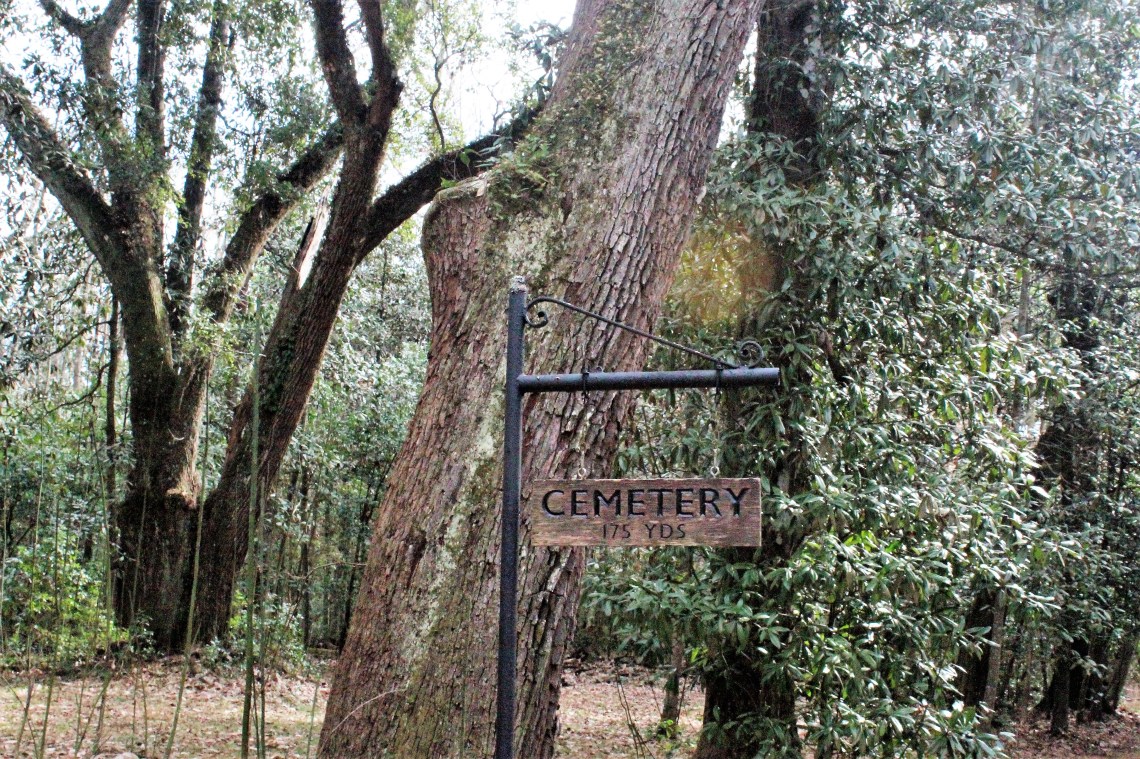
We like to stay out away from things, and the drive down the old country roads leading to our campground did not disappoint. I like old stuff – just old stuff. Ray finds this strange, but I found several old structures that piqued my interest. I felt a mix of nostalgia and creepiness (some of the old buildings looked like they belonged in Texas Chainsaw Massacre), but knew I needed pictures of the deteriorated structures.


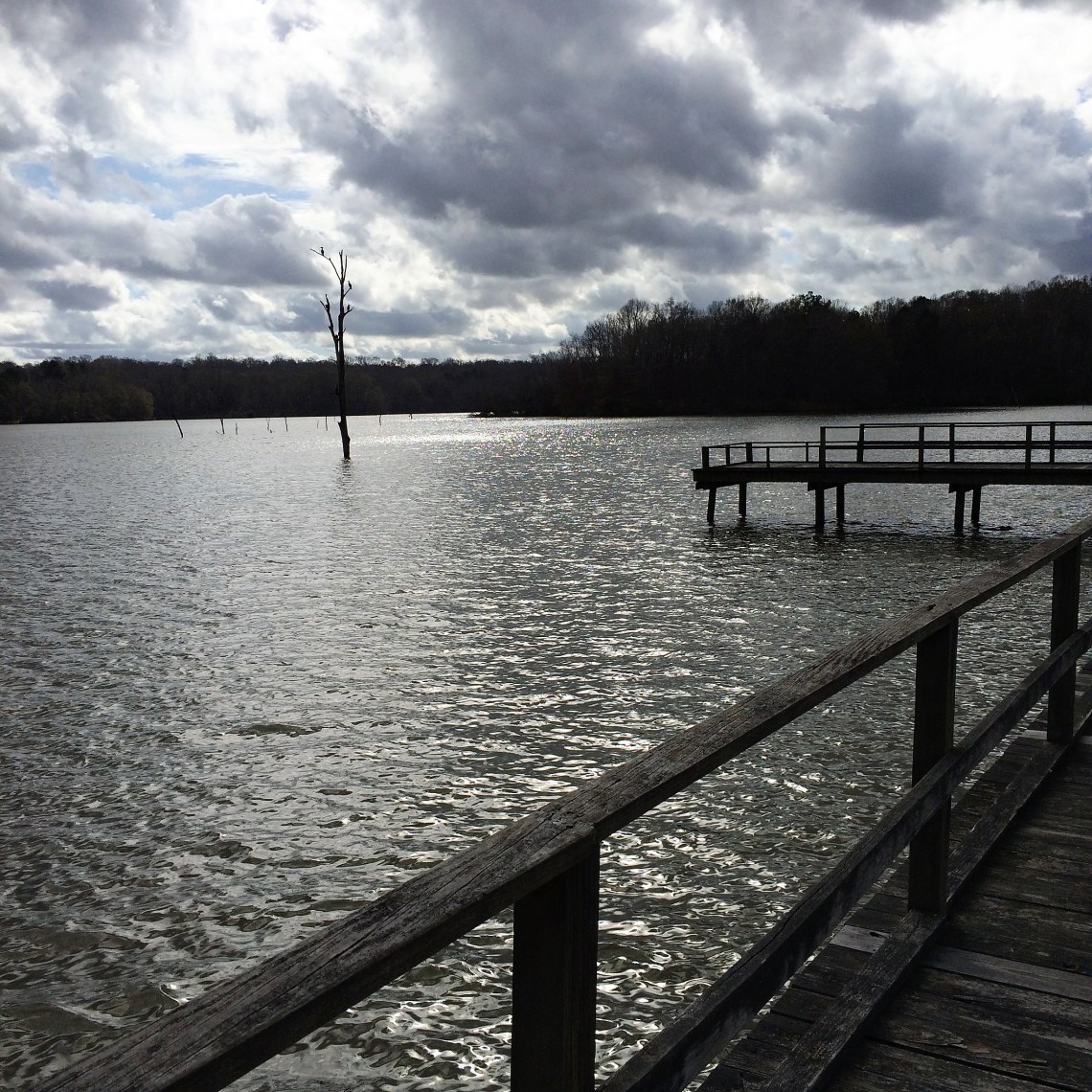
I’m a sucker for historic homes, so I couldn’t have been happier to get a chance to tour some while in Natchez; Ray was interested in the Natchez Trace, a 444 mile roadway from Natchez to Nashville with lots of historical stops along the way (of course, we only saw a small portion of the thoroughfare – maybe 30 miles or so). The girls and the dogs probably most appreciated the scenic walks along the Mississippi, and running around in the park on the riverbanks. We spent five nights at Natchez State Park, where Rayne and Jayden got lots of bike riding in, which was another highlight for them. The lake also offered some lovely sunsets.

The Natchez Trace Parkway commemorates the historic Old Natchez Trace, which was once a foot-path that Native Americans used to go back and forth to other villages for trading, and then was used by European settlers as a means to travel for commerce. The Parkway follows the original Trace and preserves parts of the historical trail. We took the route from Natchez up to Port Gibson, Mississippi, and visited three stops along our way.
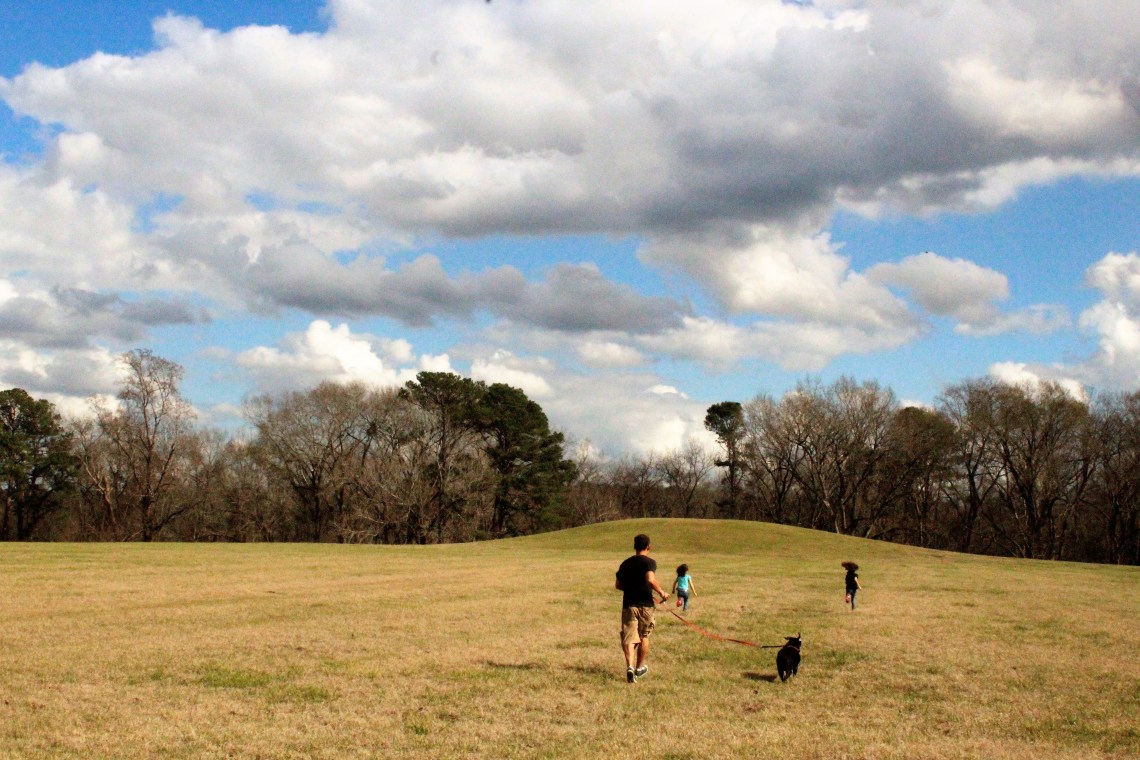
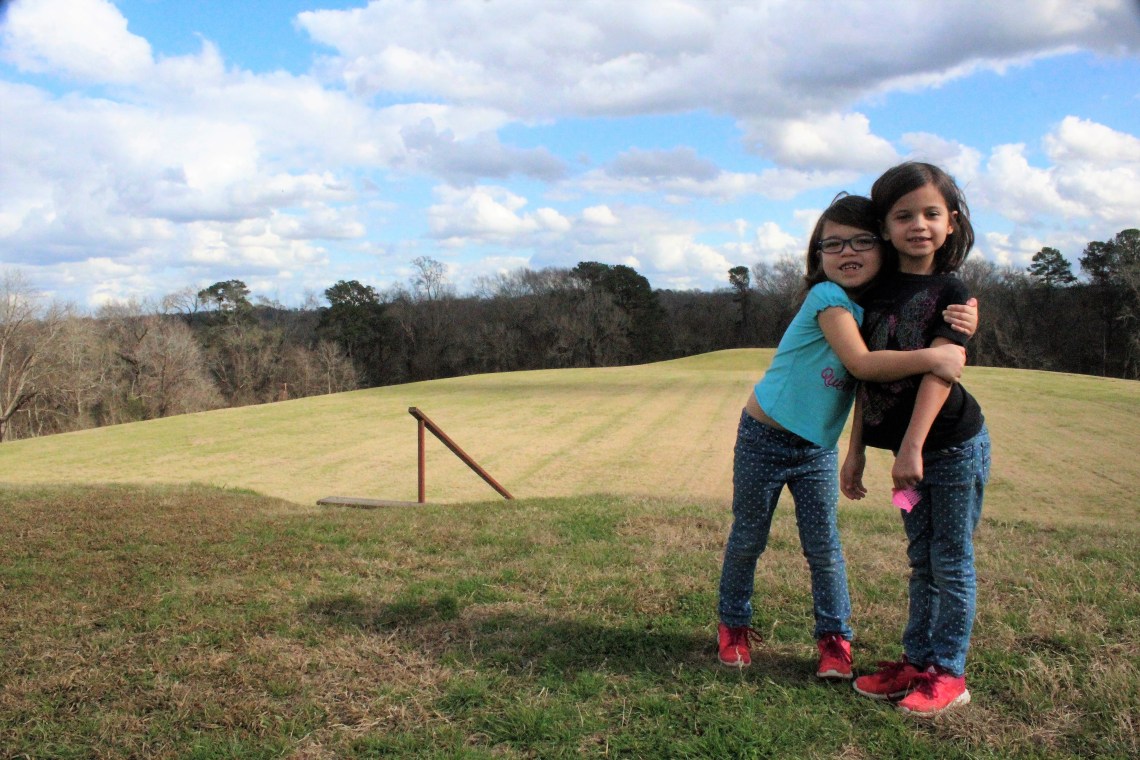
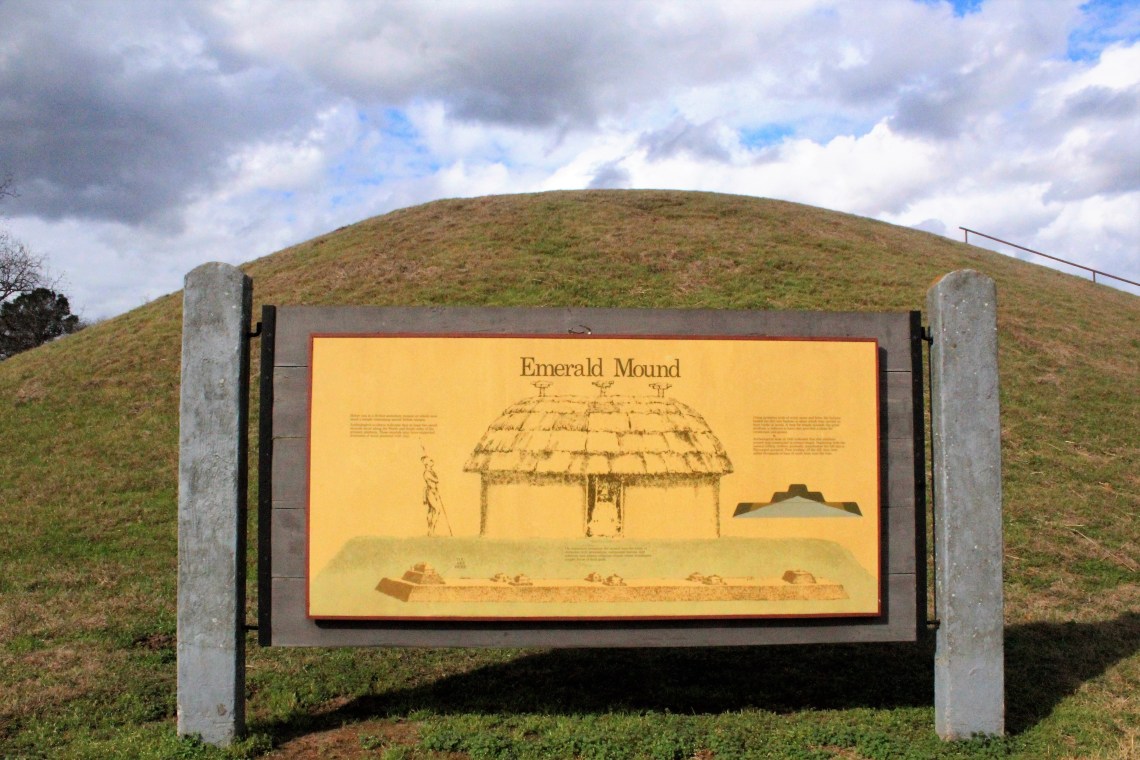
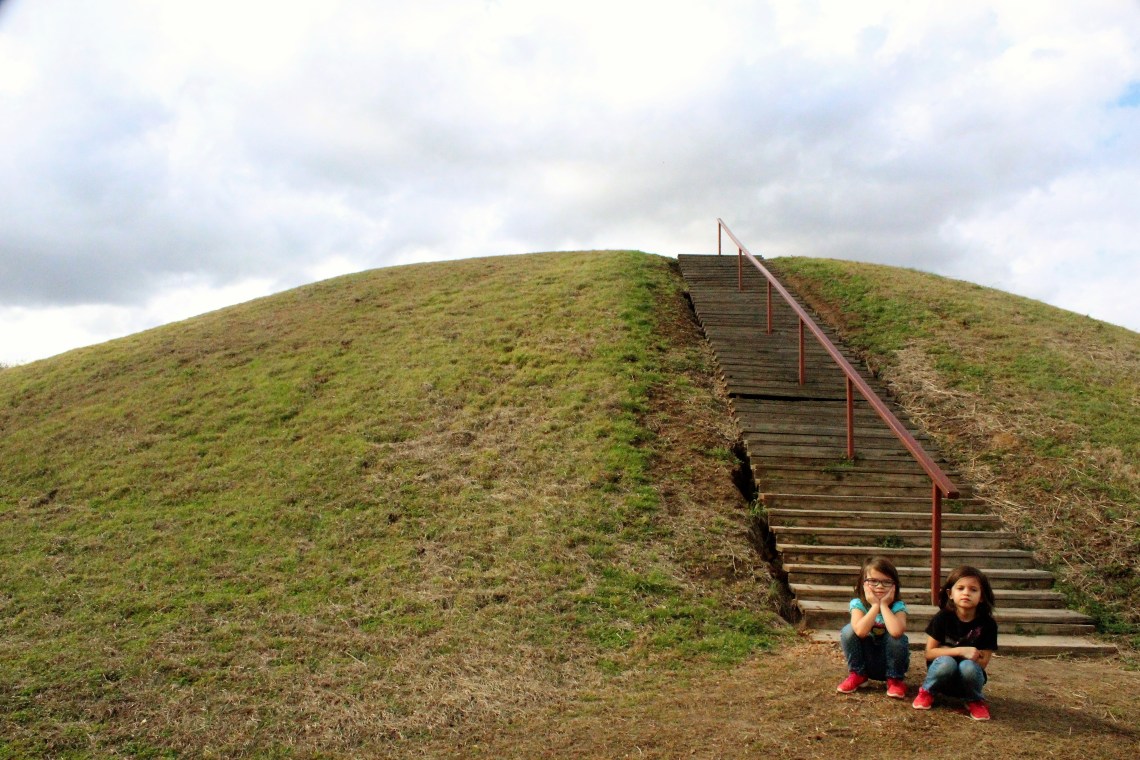
We saw the Emerald Mound Site, once used by the Natchez Indians as their main ceremonial center.


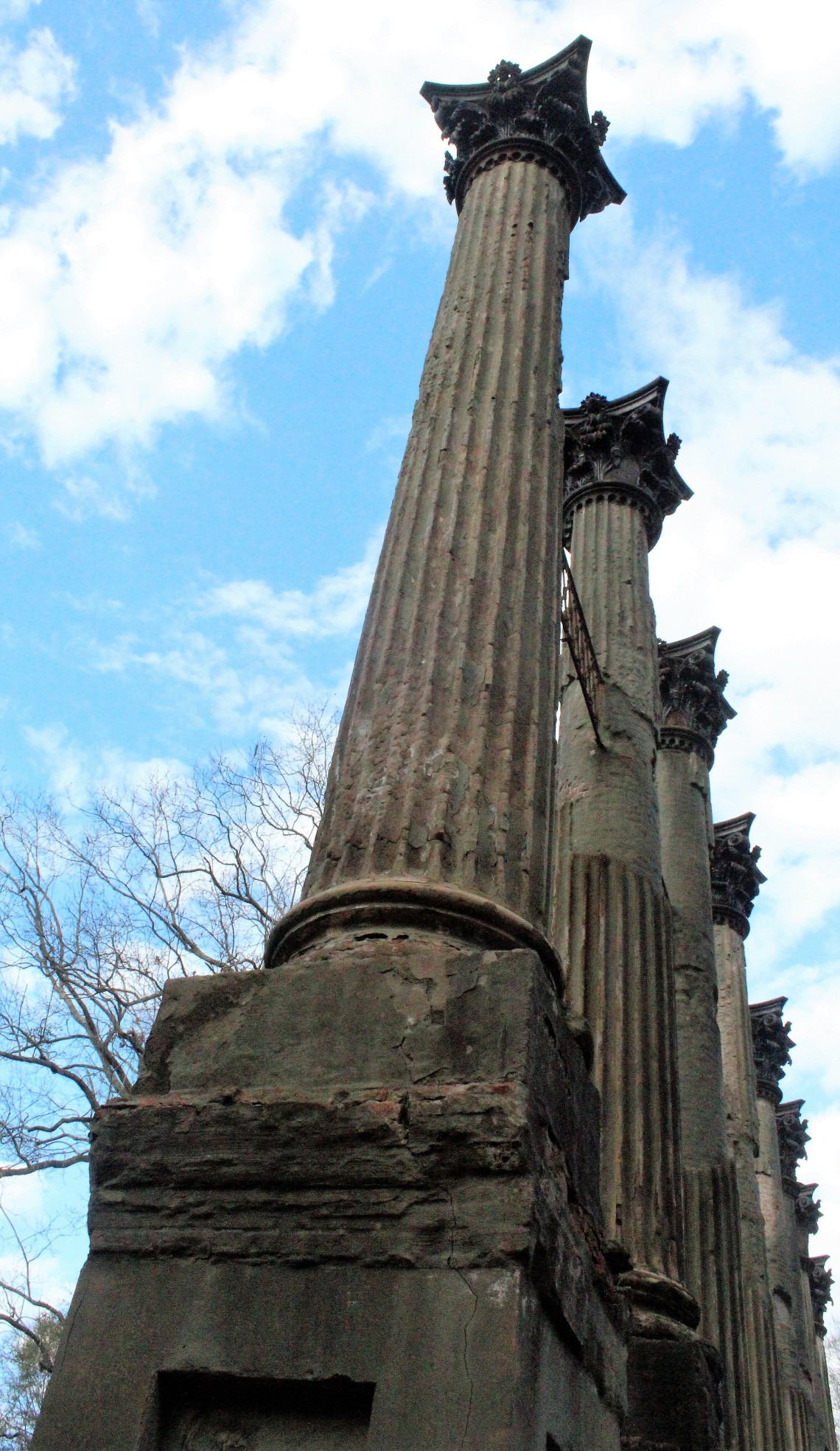
We also visited the Windsor Ruins, 23 standing Corinthian columns of the largest antebellum Greek Revival mansion ever built in the state, which was destroyed by fire in 1890.
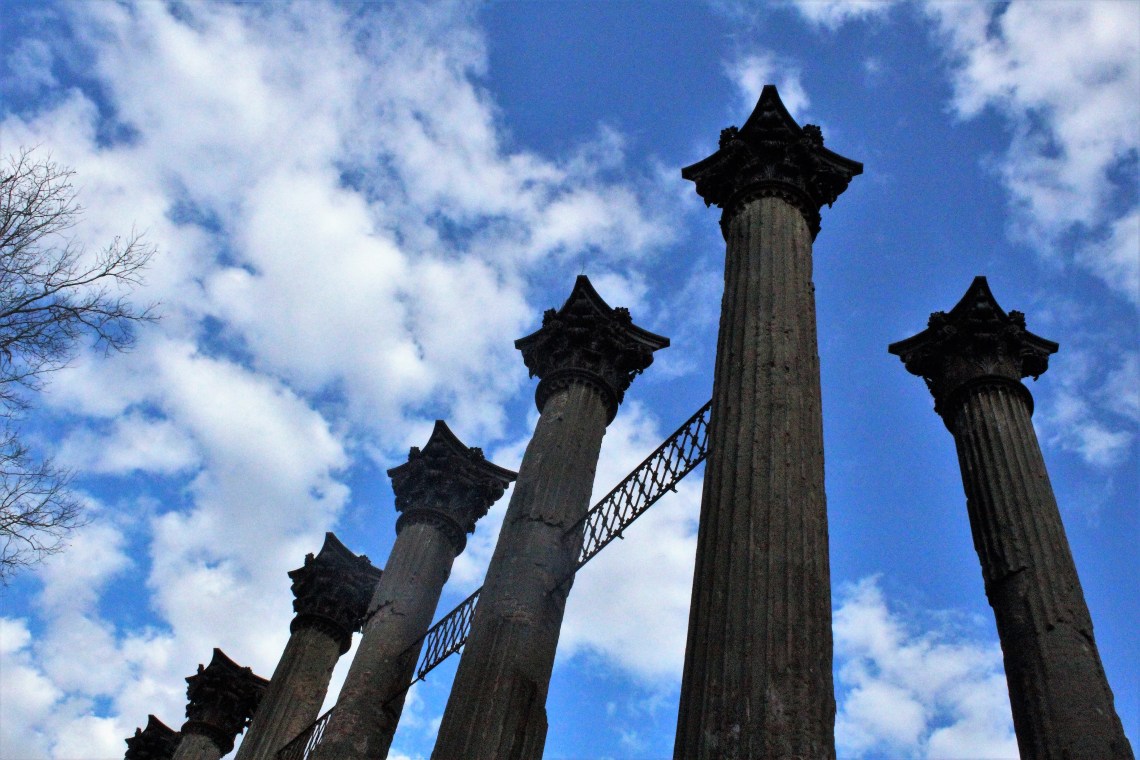
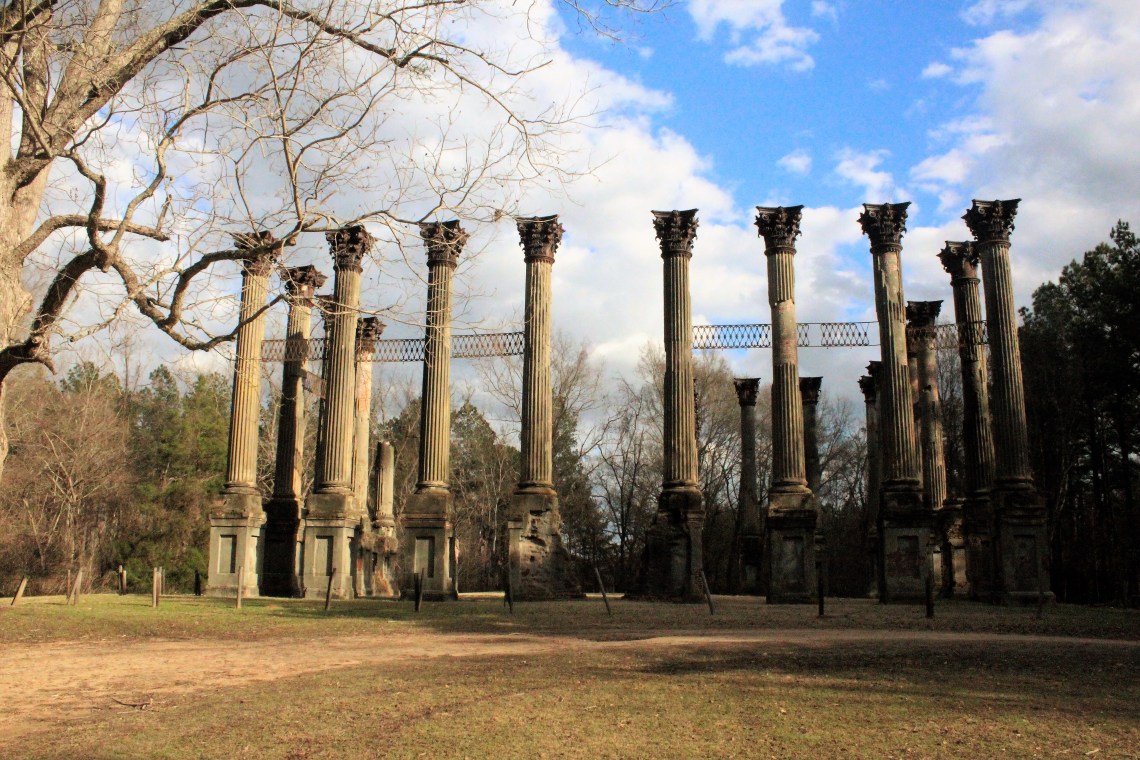

Our final stop on our Natchez Trace drive was at Mount Locust Inn and Plantation. Originally built as a “stand,” or an inn, for those travelling along the nation’s first superhighway. Often, boatmen making their way home after floating down the river stopped at this inn for the night. It was later a cotton plantation. Now run by the National Park Service, it is open to the public.
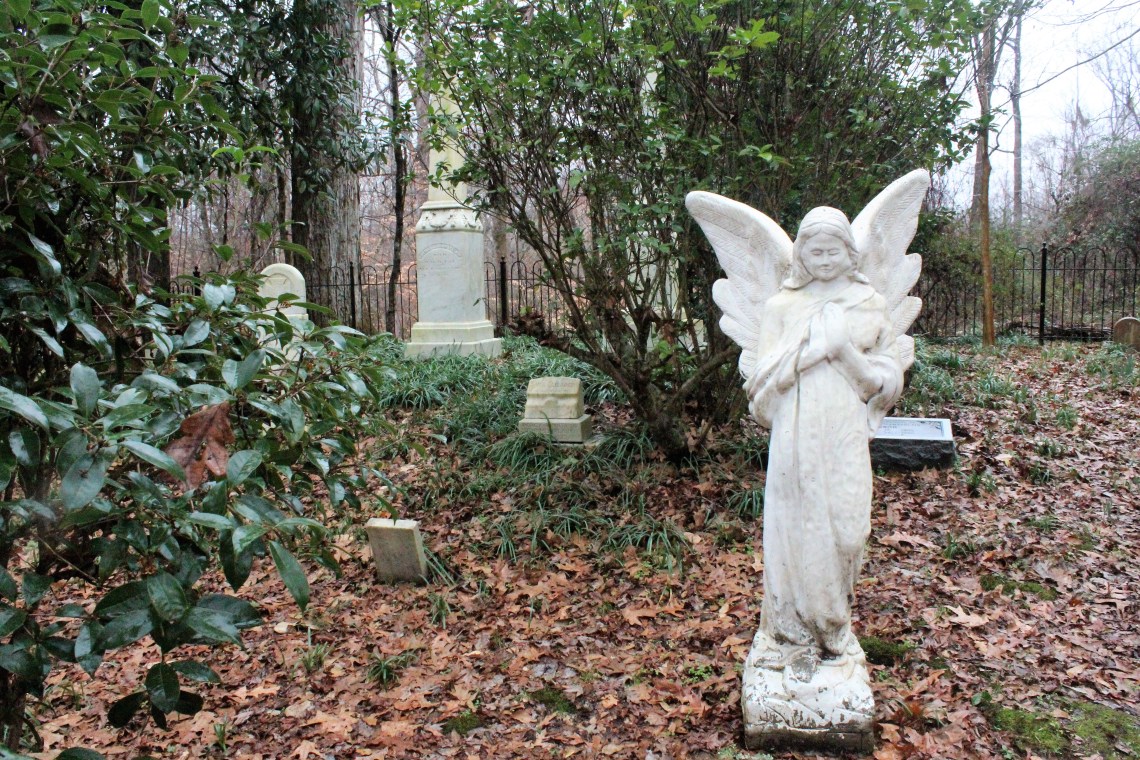

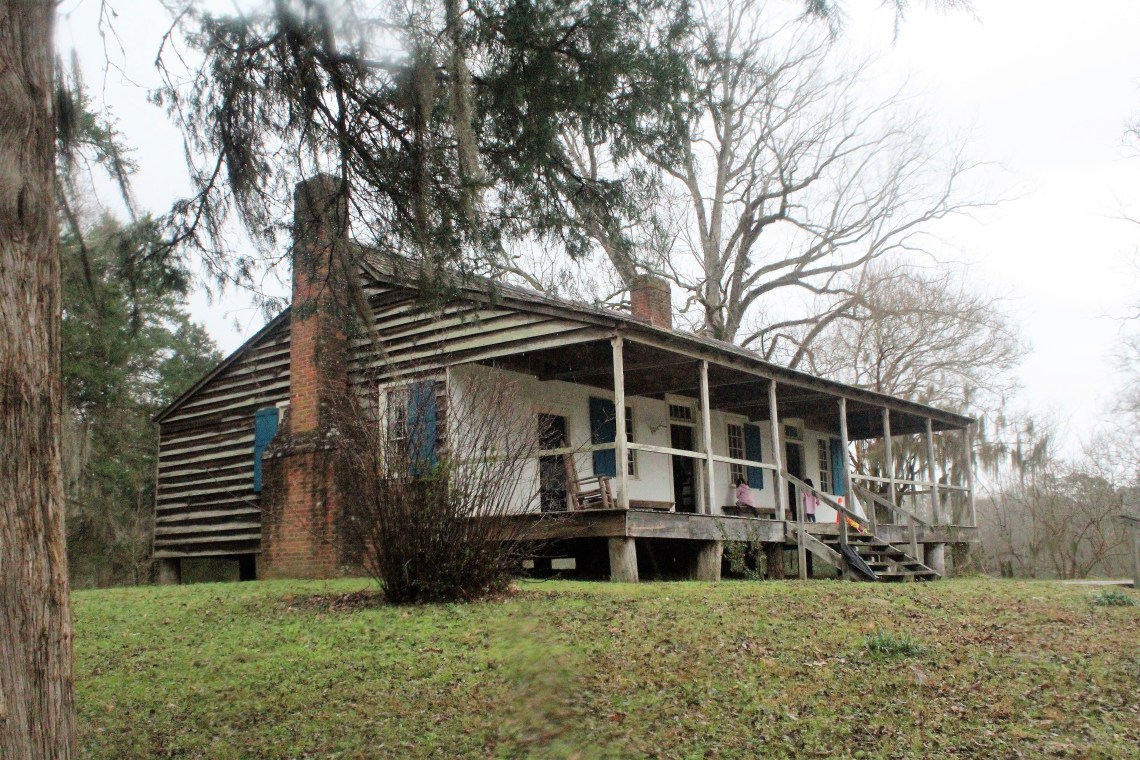

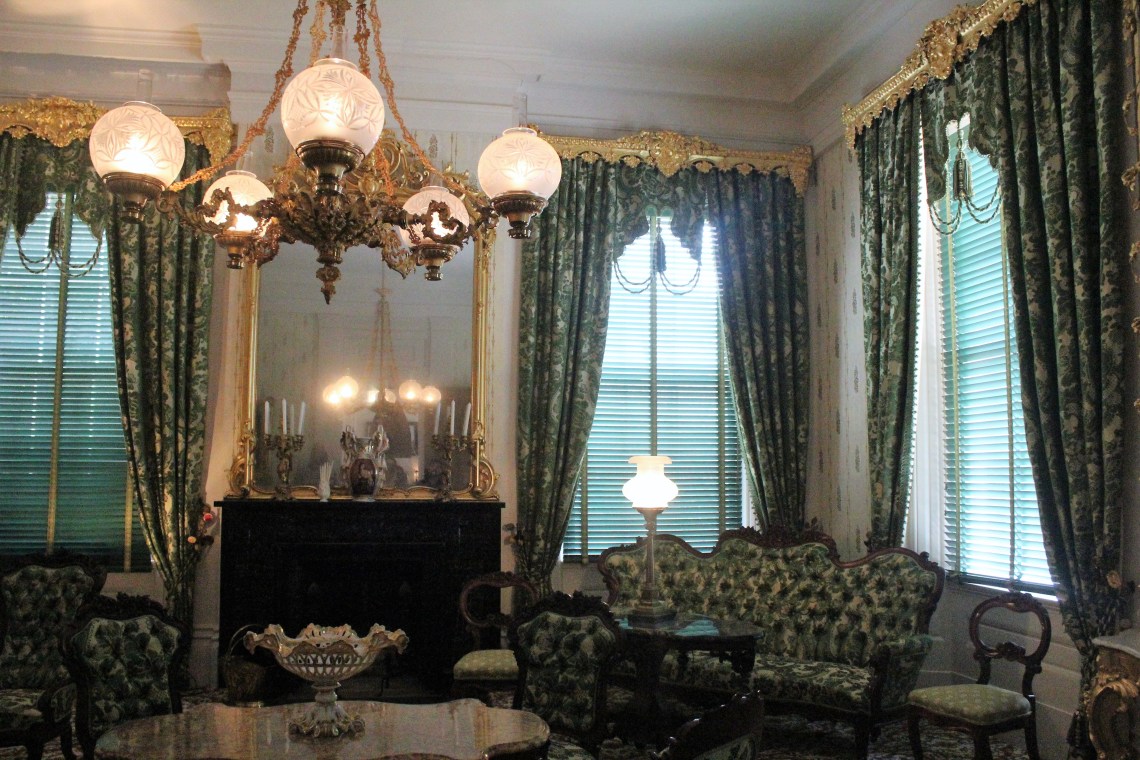
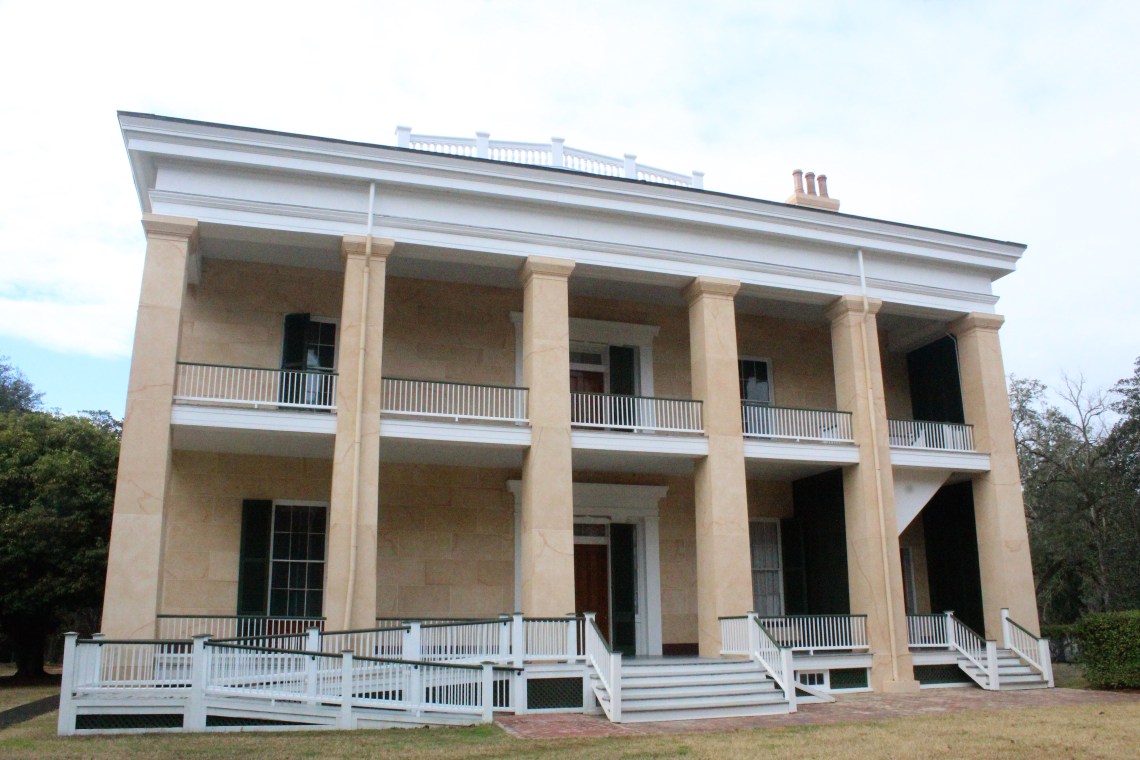
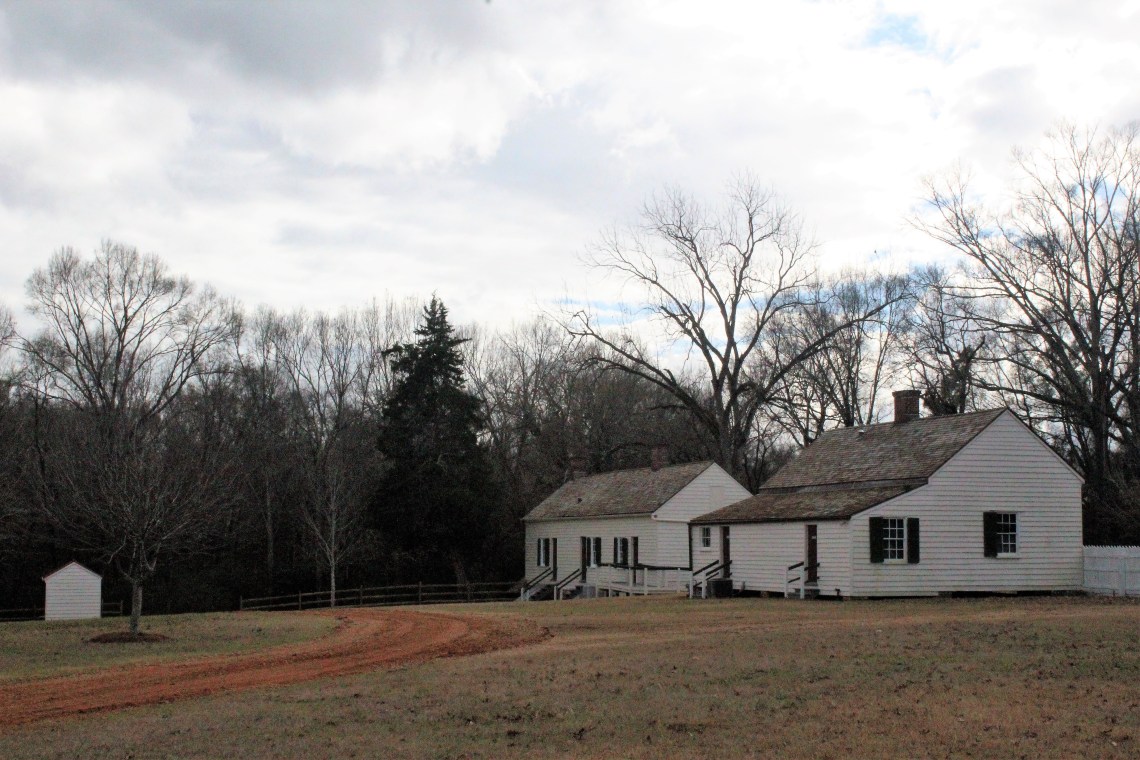
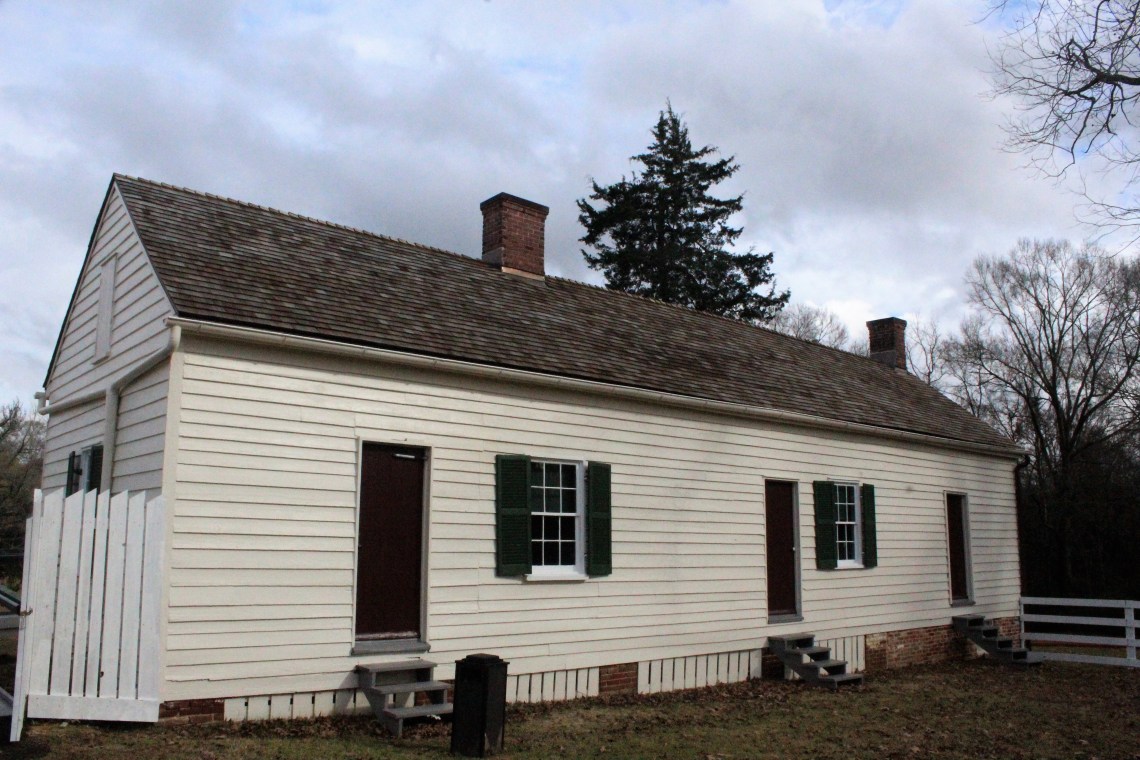
Another day, we decided to visit Melrose, an antebellum estate that is part of the Natchez National Historic Park. The main house is an 1800s Greek Revival-style mansion, and the property still has slave quarters and other structures in tact.



Also maintained by the National Park Service is the William Johnson House, which was owned by William Johnson, a free black barber in Natchez. Johnson kept a journal from 1835-1851, which detailed everyday life in Natchez. We were able to read excerpts and see the inside of the house when we visited.
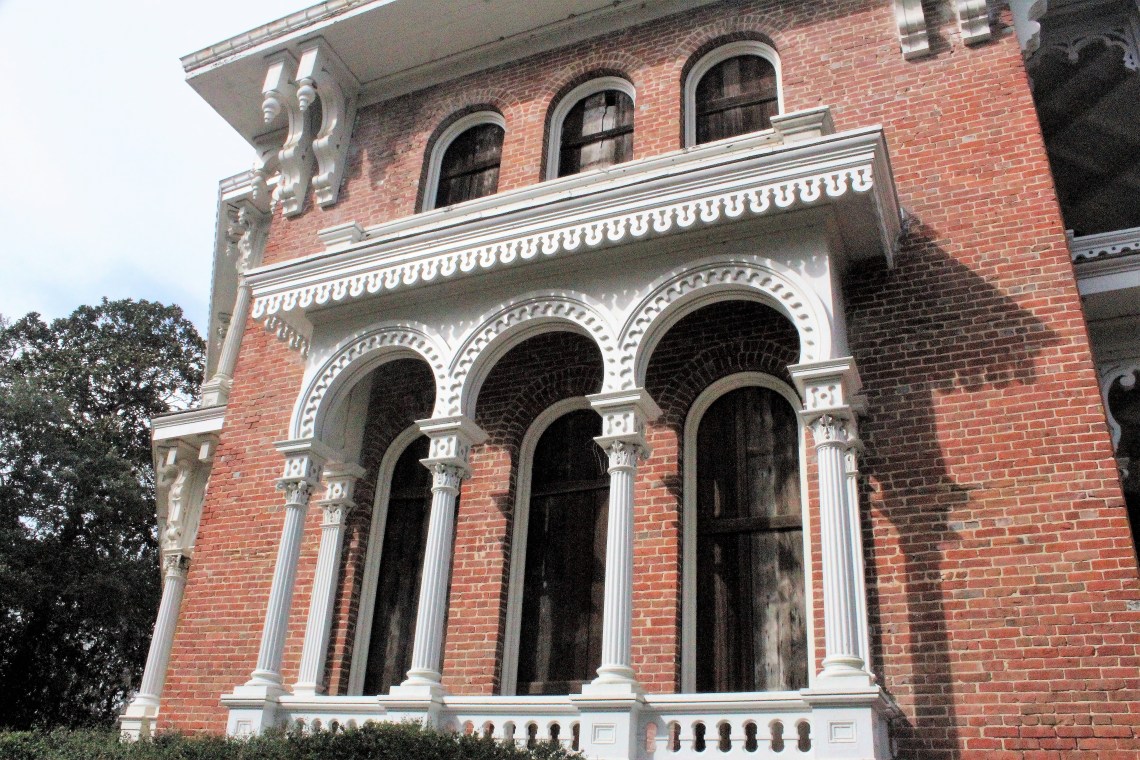
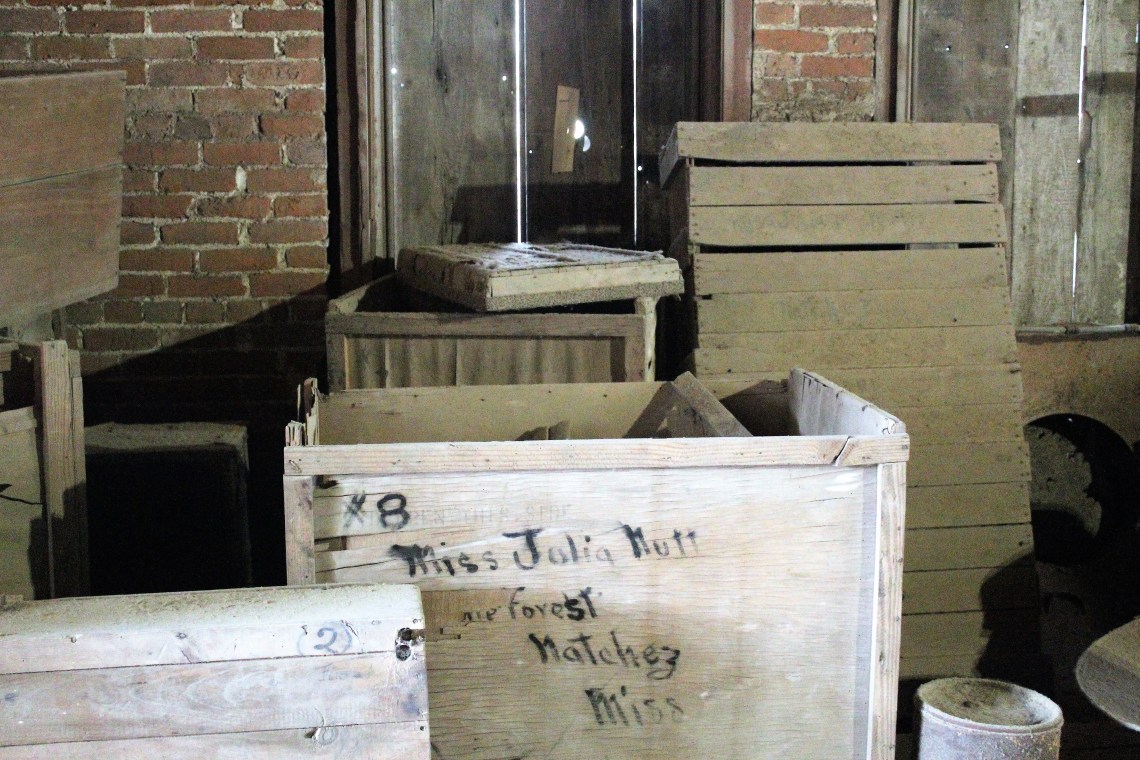
The highlight for me was Longwood, an historical antebellum octagonal mansion with a byzantine dome. The home was never completed. The story is a very interesting one. A wealthy cotton planter chose the plans for the home and began work on the house in 1859. The outside was completed, and the basement was finished and ornately decorated. All work was stopped in 1861, when the Civil War began, so the second and third floors were never finished. The owner, Haller Nutt, and his family lived in the basement, thinking it would be a short break until they could start work on the home again. He figured the South would win the war quickly, and the home would be completed shortly. He was wrong, and by 1864, he was dead from pneumonia. The family continued to live in the basement, and they never could afford to complete the rest of the home. Now a National Historic Landmark, visitors can tour the grounds, the gorgeous basement where the family lived, and the unfinished upper part of the home.


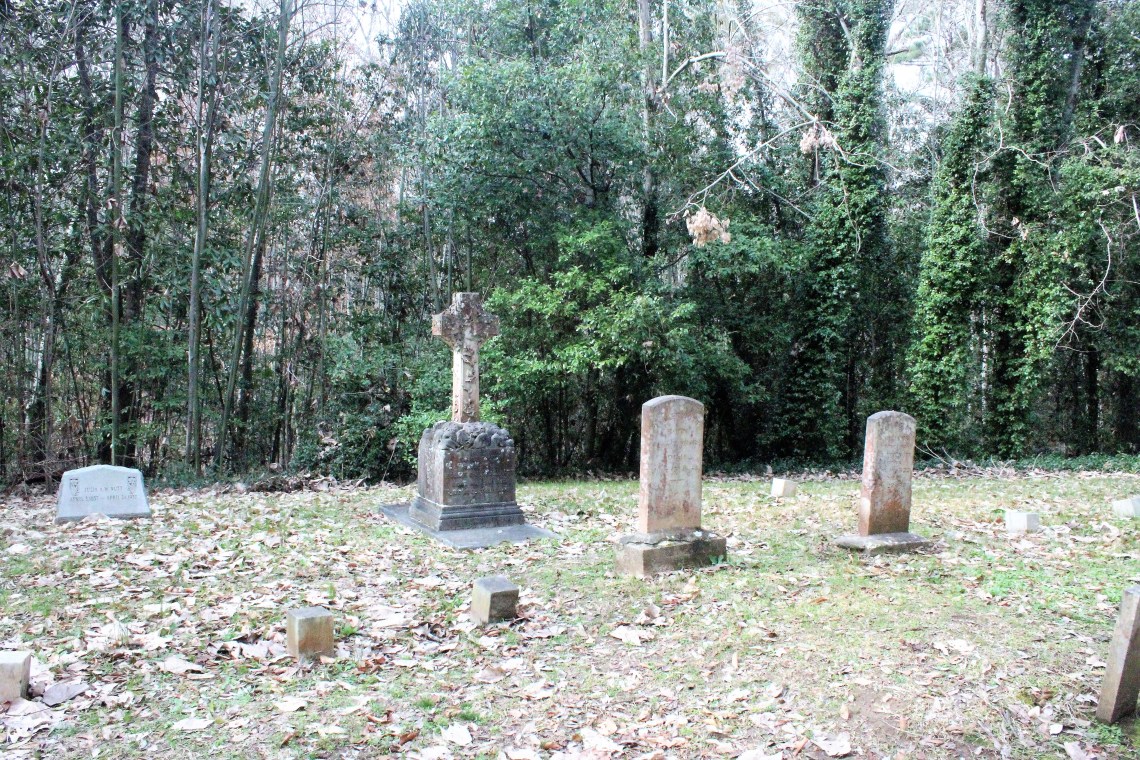

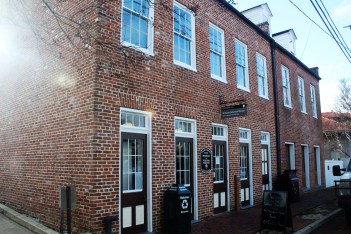
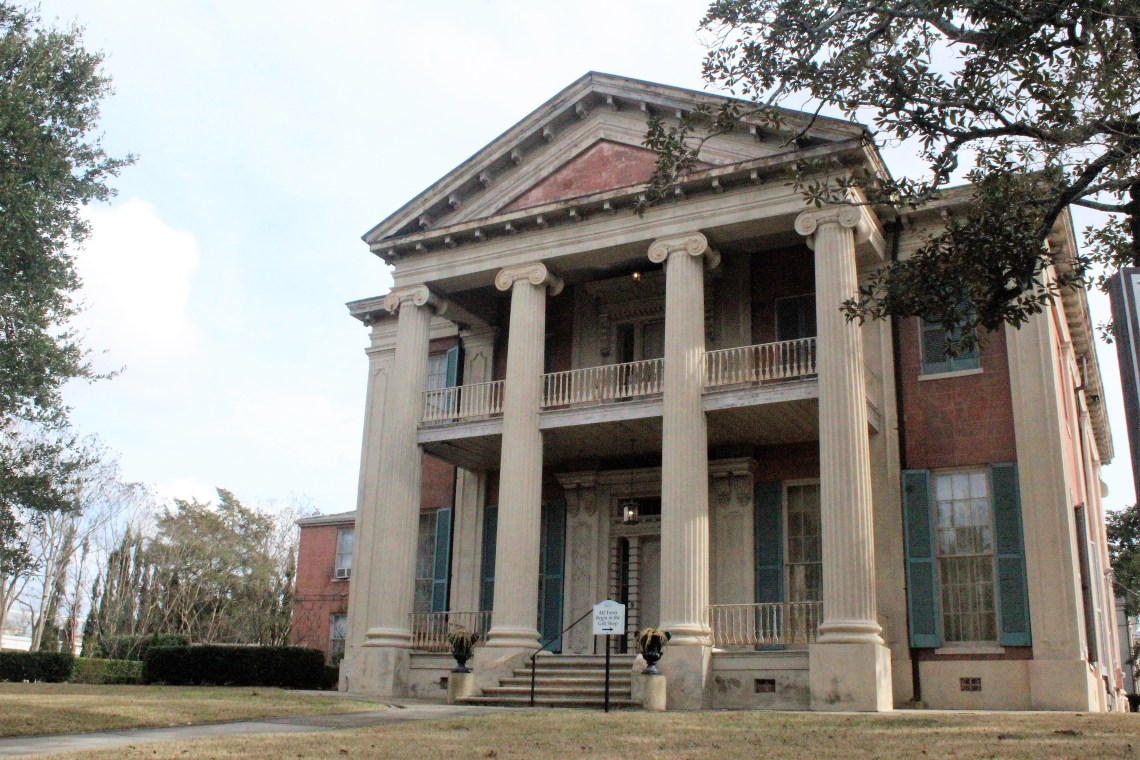
There are many beautiful historic homes in this area of Mississippi, and while we could not tour all of them (even though I’d love to, but value my husband and children continuing to stick around), we had to, at least, do a little driving tour to check out the architecture.


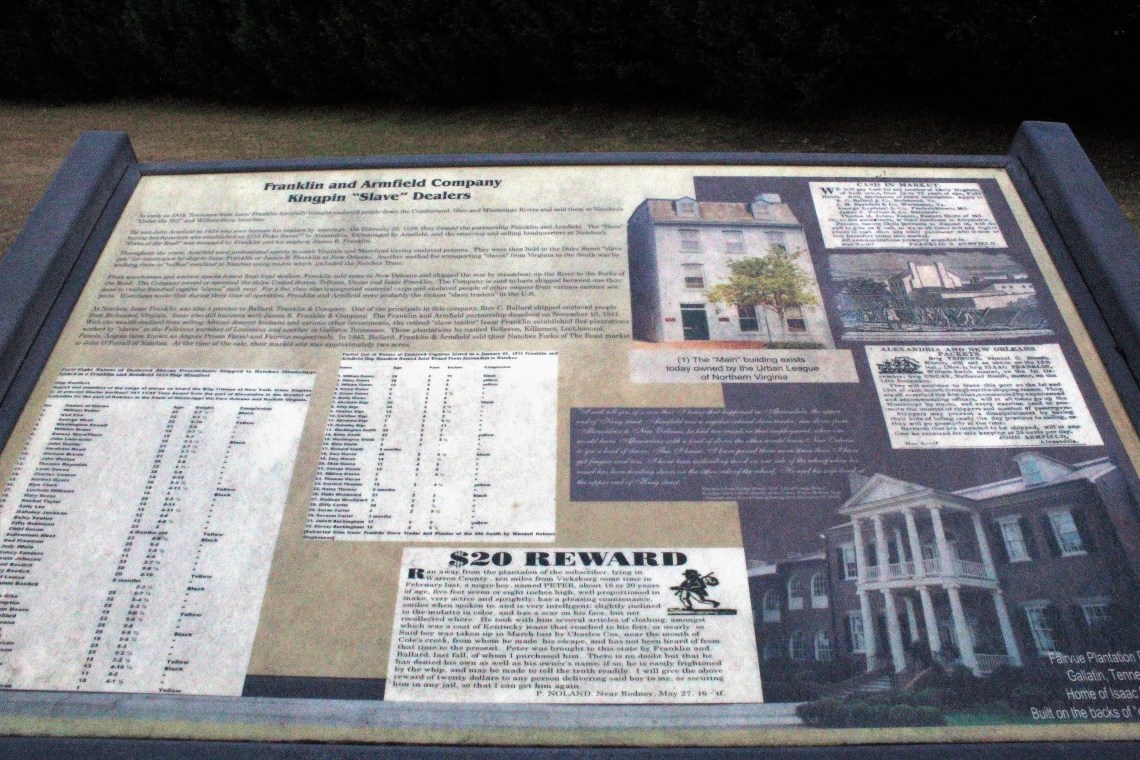
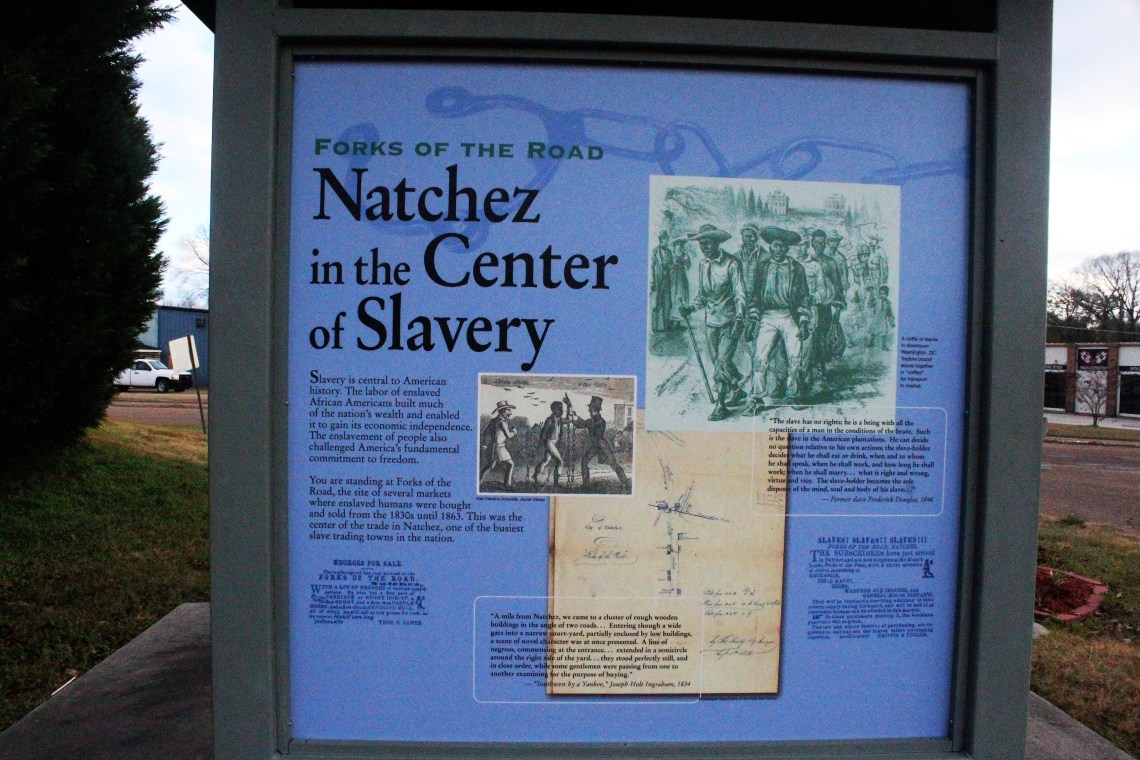
We could not visit these historical homes, many built on the backs of enslaved people, and tour slave quarters, without making a stop at Forks of the Road, where the slave market stood in Natchez, Mississippi prior to the Civil War. Sitting just across the street from a mechanic shop and other modern businesses, where people are going about their day, a memorial marks this place where families were once torn apart and human beings were sold to other human beings.

Before leaving Natchez, we had to take in some breathtaking views of the mighty Mississippi. Bluff Park, located at the west end of downtown Natchez, is a nice place to take a breather and enjoy walking along the river.




After a week away, we headed on back to Louisiana to meet up with sweet baby Wren. And that is where we, quite happily, are at the moment.


 4ina5
4ina5 