

Last week we visited Heifer Village, a hands-on educational facility that teaches the mission of Heifer Project International with lots of interactive exhibits, an urban garden, and a few animals. The village and fair trade market sit next to Heifer headquarters, in Little Rock, Arkansas.
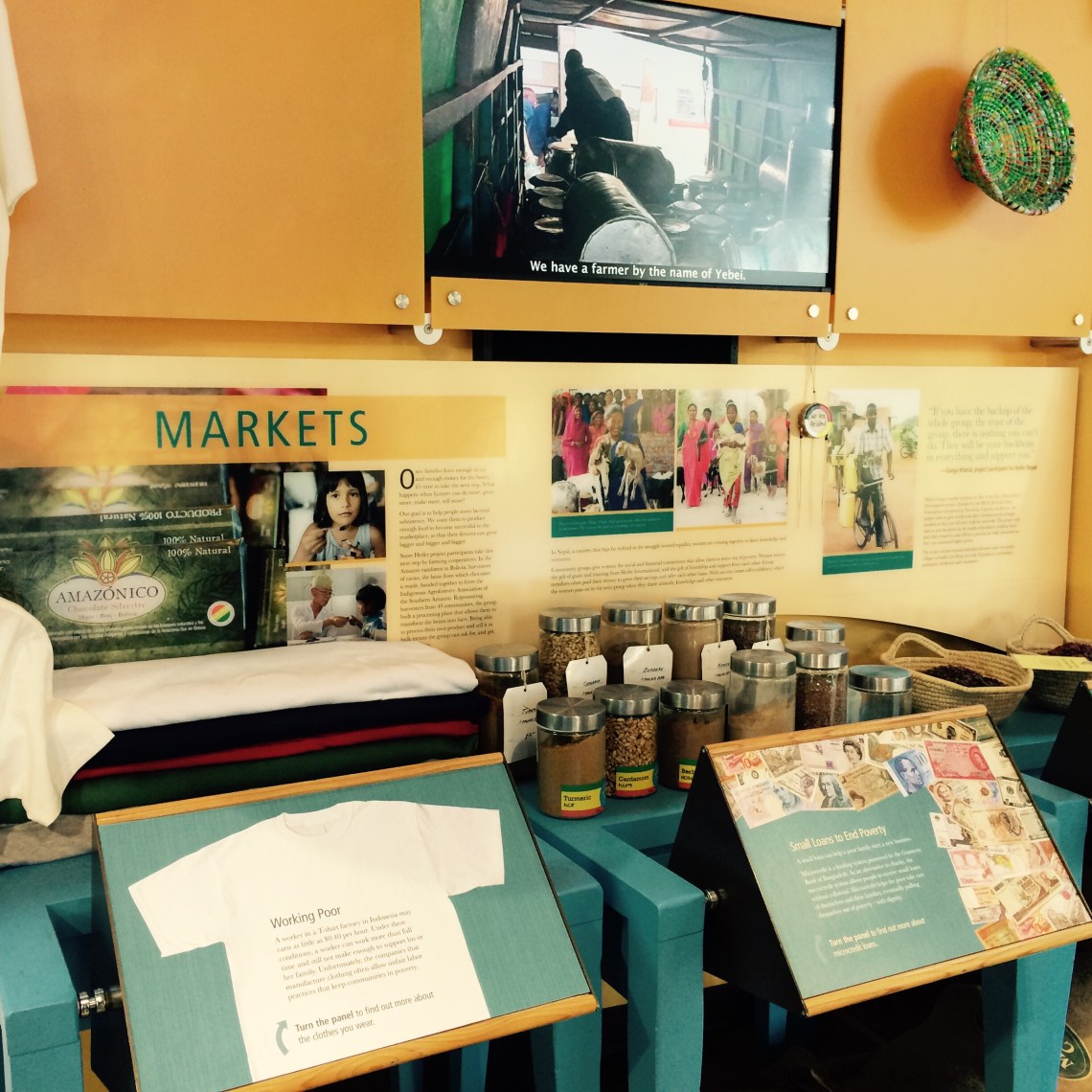


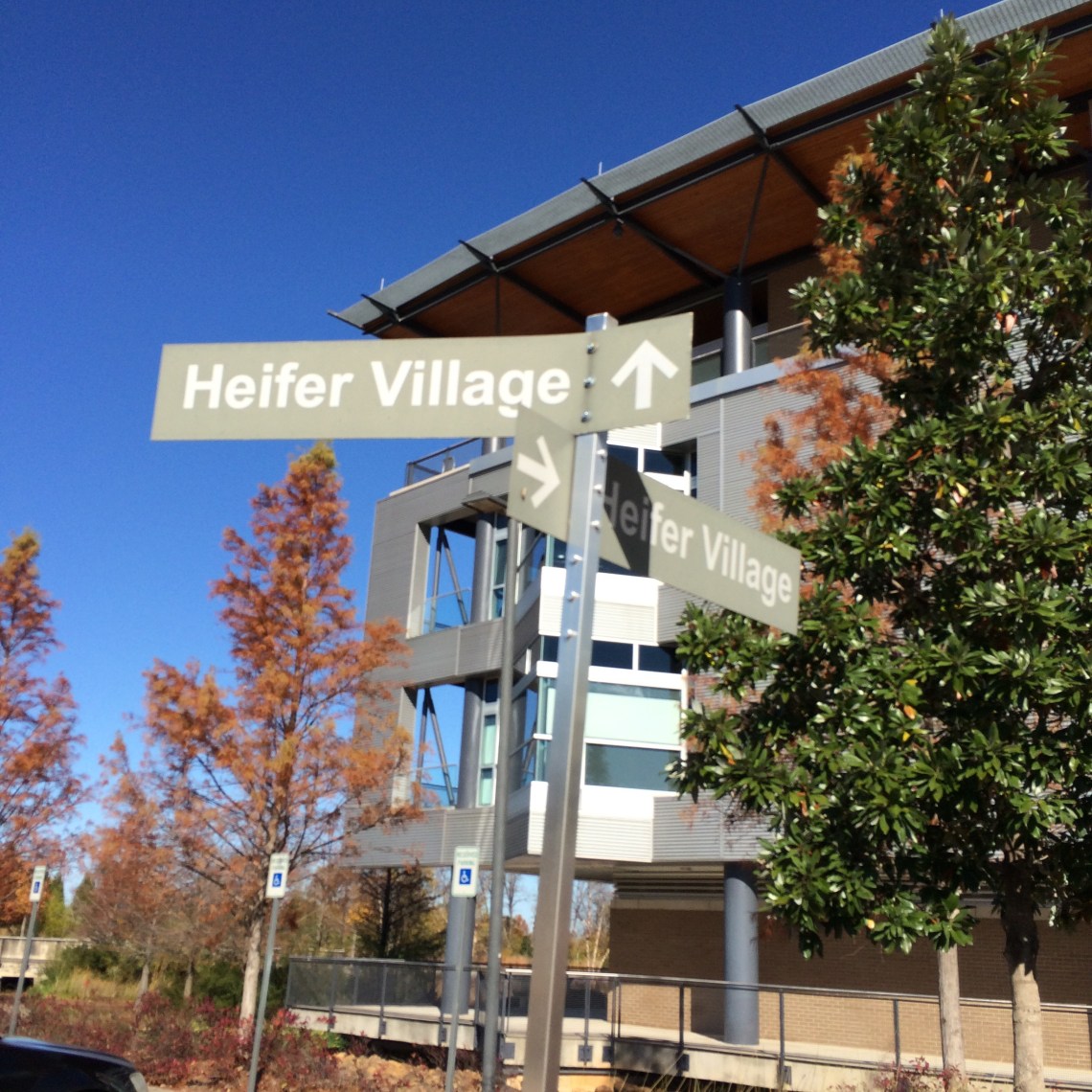
Already a fan of the organization, I was thrilled to make this visit and explain some of what Heifer does to the girls.
Heifer partners with communities around the world to help them attain sustainable livelihoods and lift themselves out of poverty. With the goal of solving hunger and poverty in some of the world’s most suffering areas, Heifer’s approach involves gifting families in need with a way to support themselves long-term. In return, each family must pay it forward. For instance, if a family receives a livestock gift, they sell the milk, eggs, manure, or other products for an income to support themselves, and they must then gift the first female offspring to another family in the community. So, these gifts help end hunger and poverty, while empowering people and building communities.

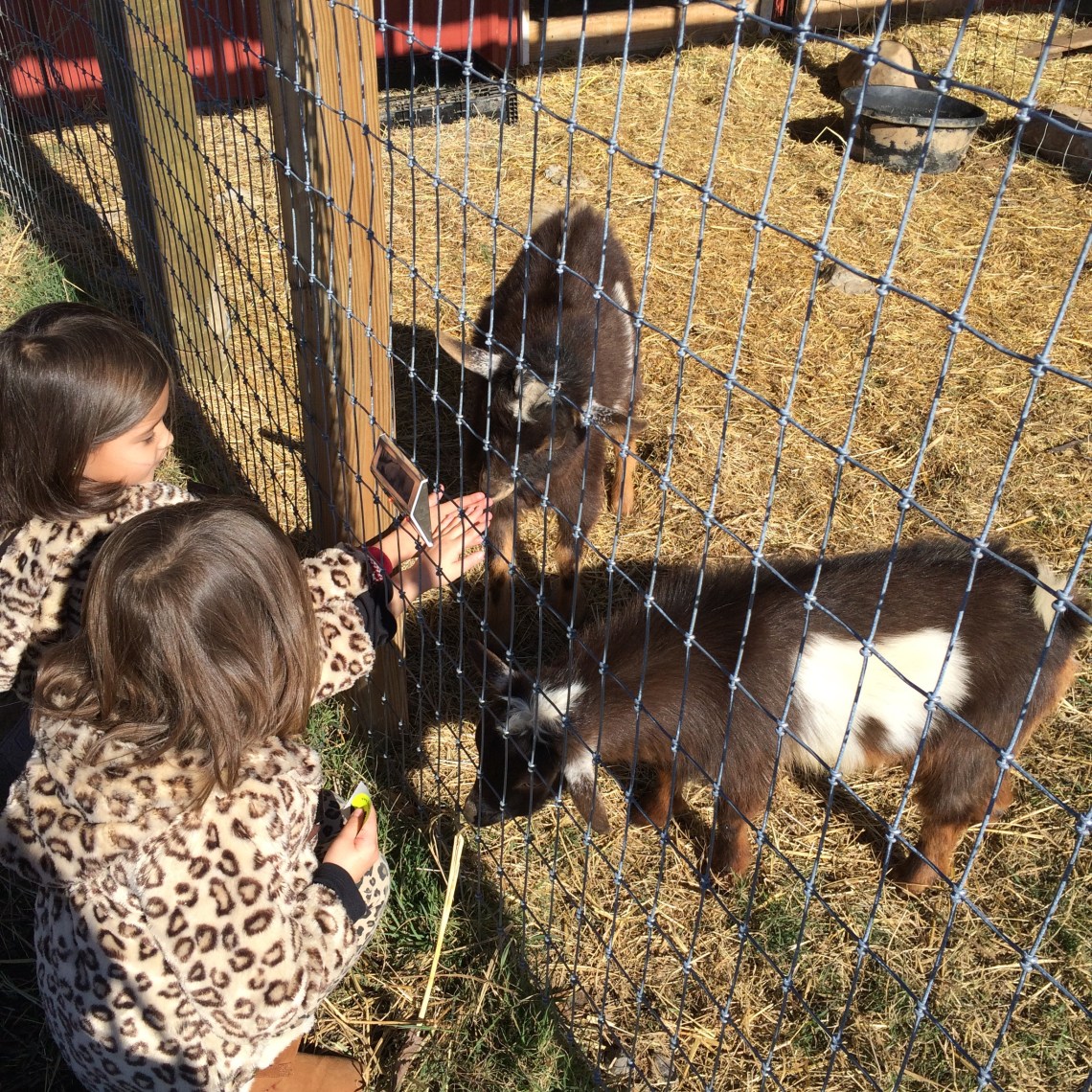



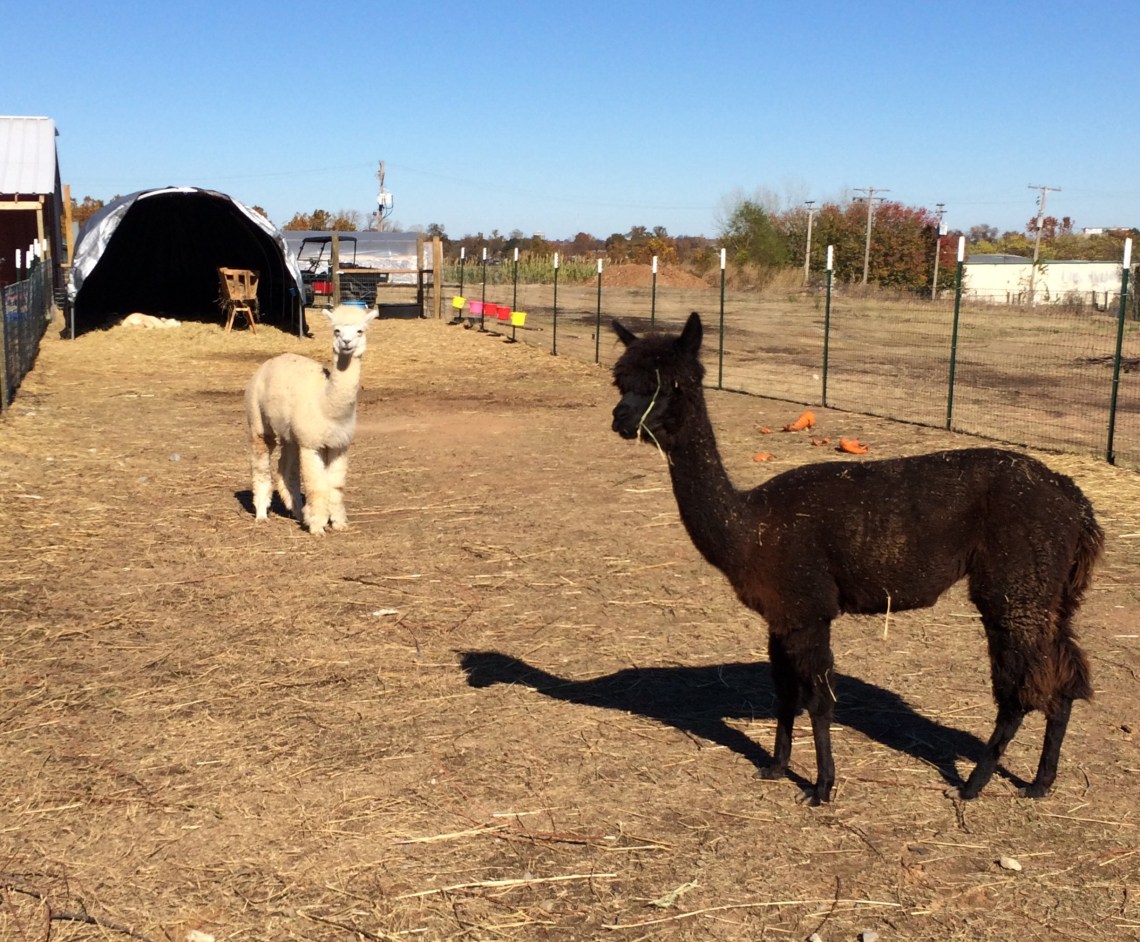
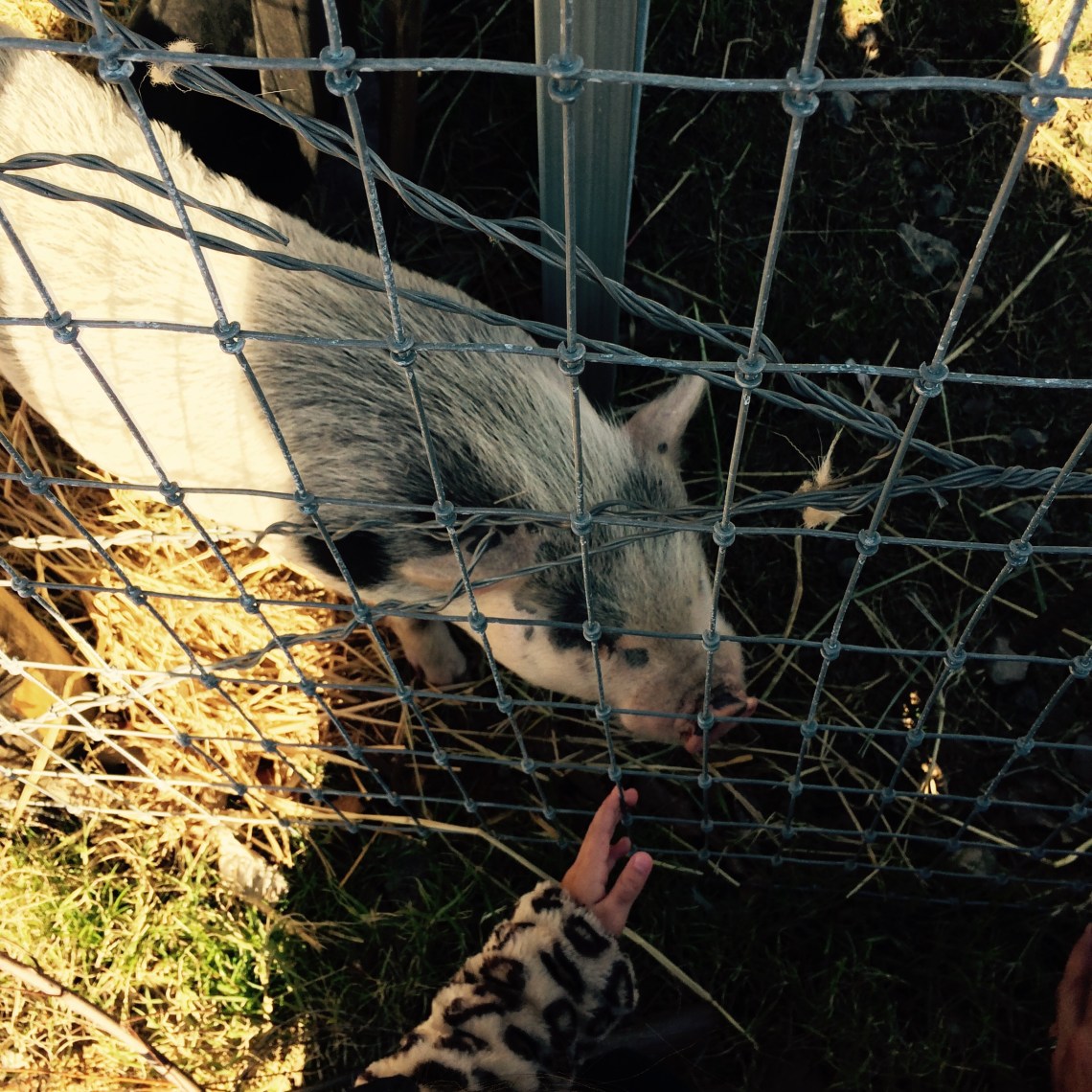
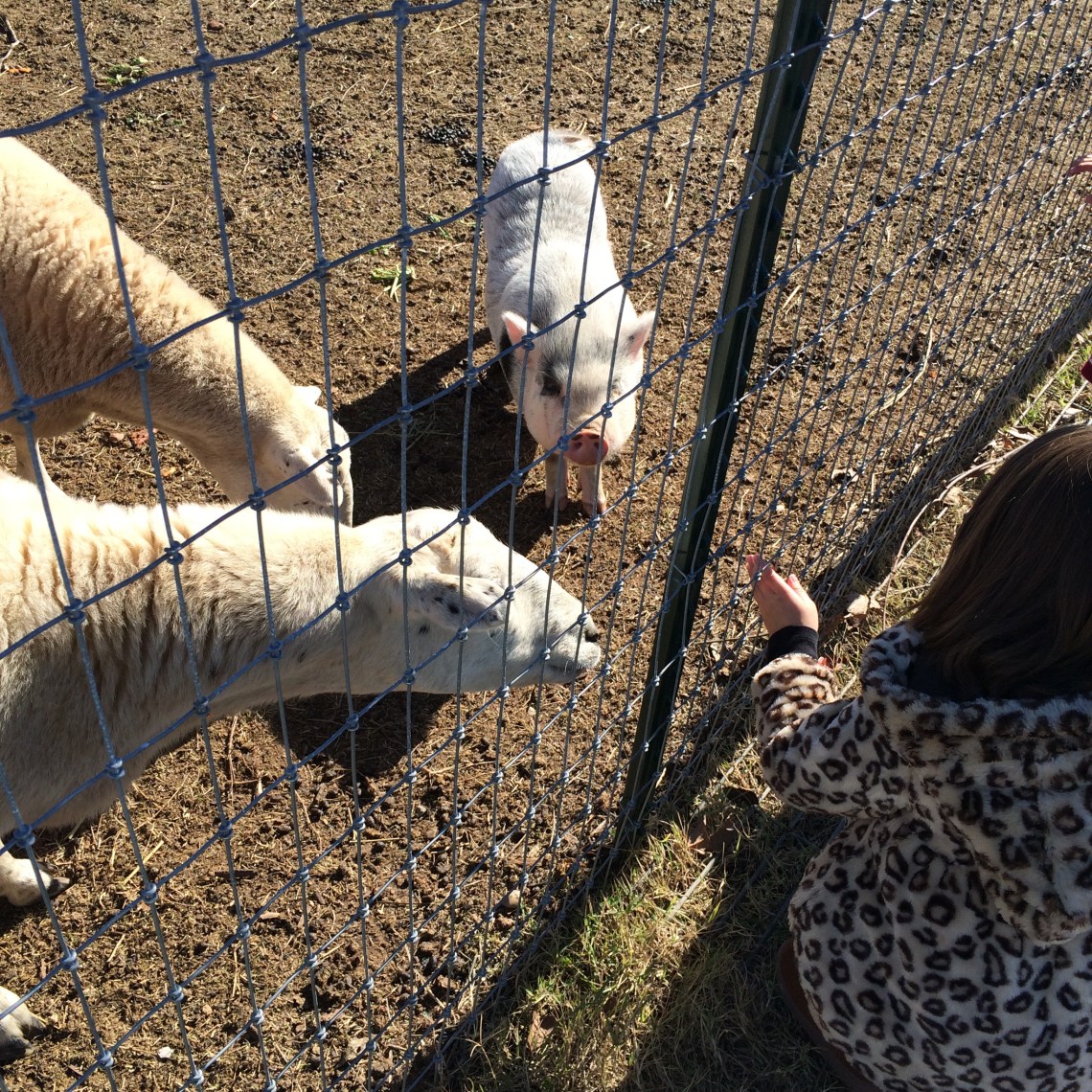
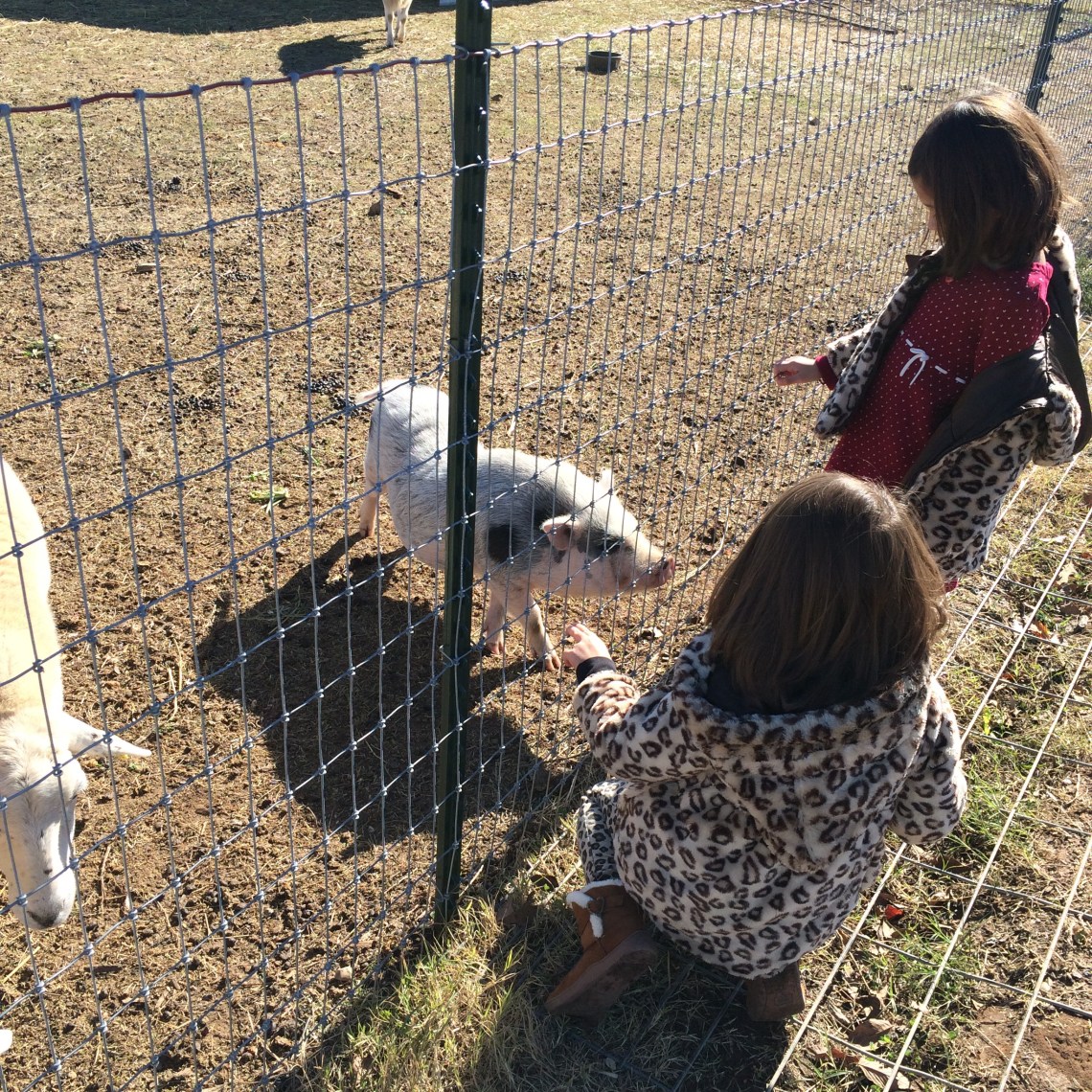
While touring Heifer Village, we learned about another Heifer learning opportunity, Heifer Ranch, which is about an hour’s drive from Little Rock in Perryville, Arkansas.
So that’s where we went today, and it was a wonderful experience. One of the volunteers, who happens to have spent 20 years as a full time RVer, drove our family and one other visitor around the ranch in an 8-person golf cart.


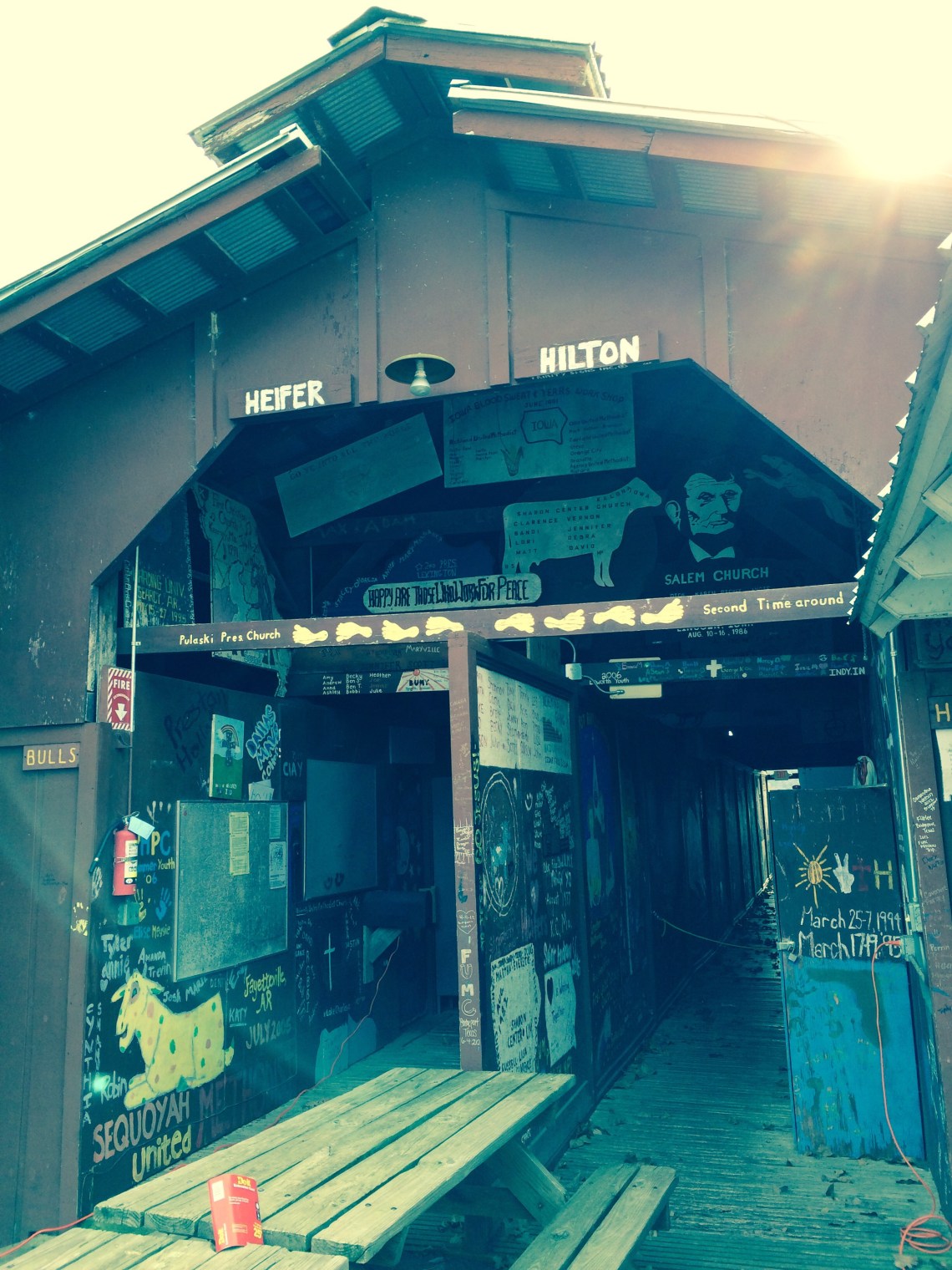

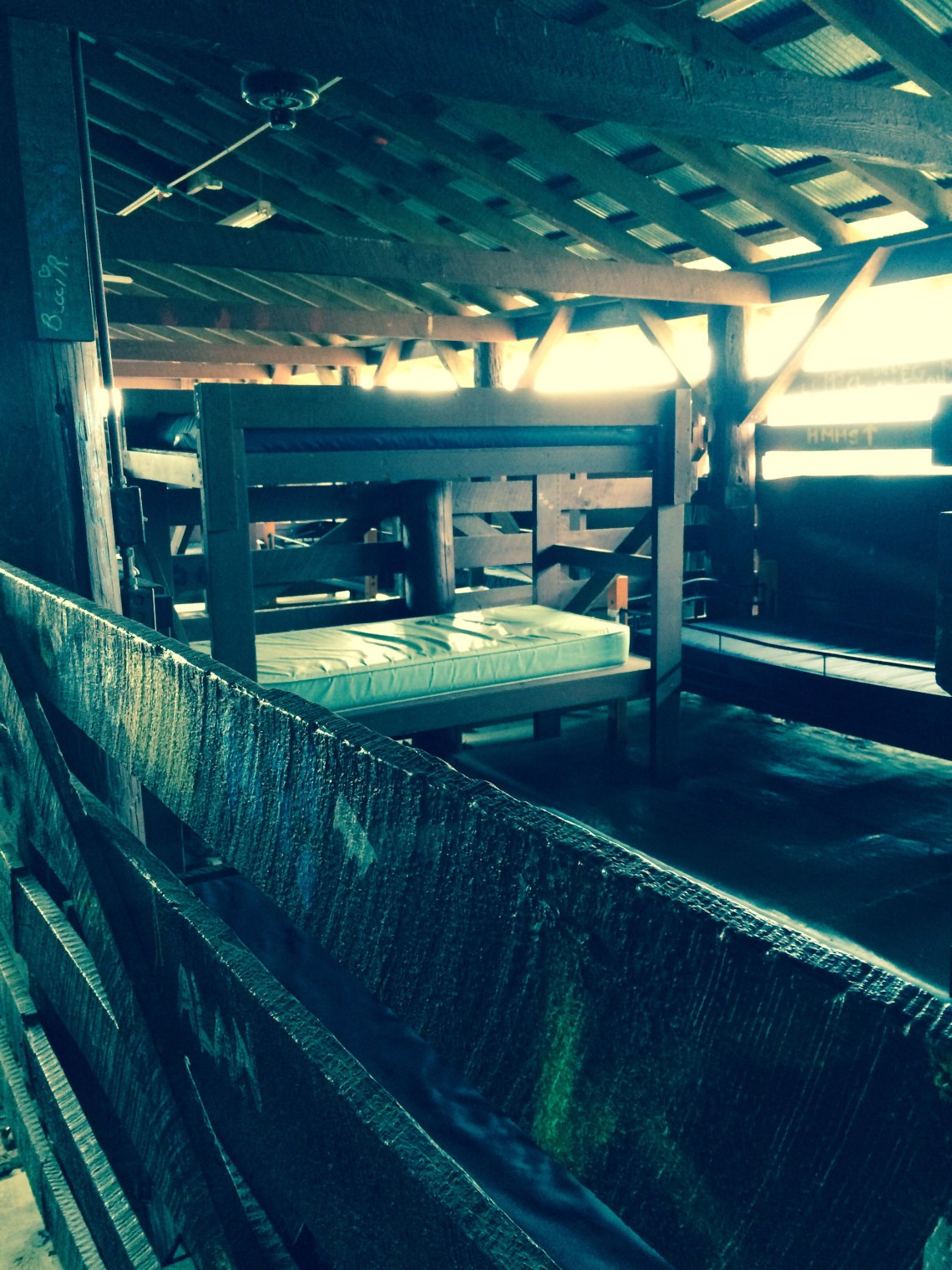

Heifer Ranch was once where animals were bred for the program, and shipped to various places around the world; this was until they started purchasing the livestock in the countries where they were to be gifted. This makes it easier on the animals, and it benefits the economies in these countries.
Heifer Ranch is a 1200 acre working farm with lots of animals and gardens. They do a lot of educational programs for kids, who visit on field trips or for overnight stays. One really interesting part of the ranch is the Global Gateway Village, where types of shelters from around the world (including urban slums and refugee tents) stand. They offer a program that allows groups to visit and stay in some of the same types of housing and prepare and eat the same foods as the people who live in regions where Heifer helps communities. Kids learn about living in Guatemala, Thailand, and other developing countries.


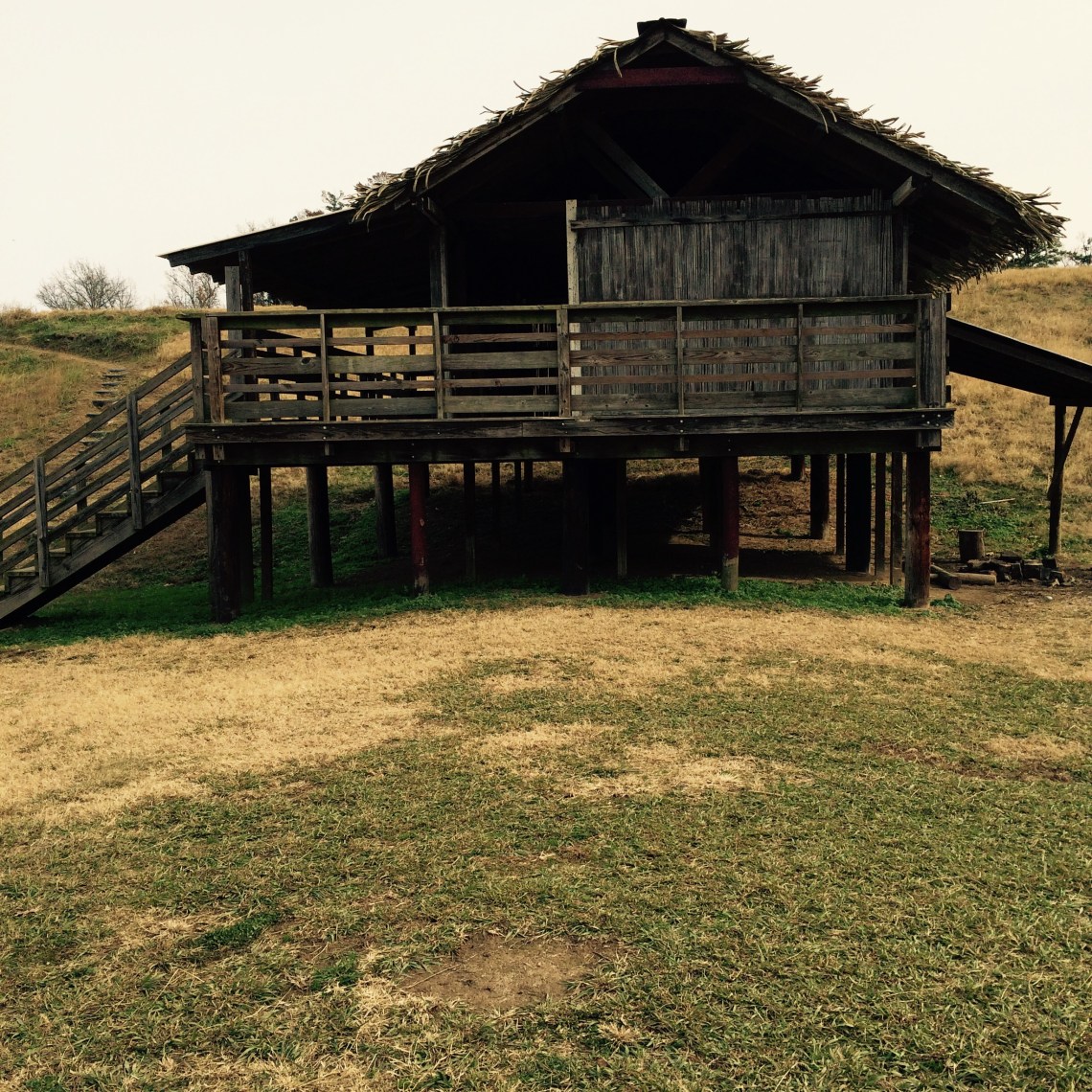


Heifer has a very interesting history, starting with its beginning over 70 years ago, when founder Dan West, a farmer with a vision, thought it would be better to give those in need a cow, rather than a cup of milk. As an aid worker during the Spanish Civil War, he witnessed how little a single handout benefited the refugees. Subscribing to the idea that teaching a man to fish, instead of giving him a fish, West started the organization.
Both Heifer Village and Heifer Ranch had excellent gift shops, where we got some Heifer t-shirts, some children’s books, and some fair trade goods.
It’s Christmastime, and Heifer’s Christmas catalogue is out. One way to help is to ask family and friends for a cow, a goat, some chickens, a rabbit or two, a pig, or some honeybees. Not for yourself, but in your name. They don’t even have to get the whole goat: they can also gift a share! That’s the case for most livestock. These gifts range in price. For instance, a flock of geese is $20, a llama is $150, a goat is $120, a water buffalo $250. You can even send a girl to school for $275.

We plan to gift a goat, which can easily be done online at their website. I think it will be part of a homeschool lesson next week!
For more info on Heifer, their programs, and to see their gift catalog, visit http://www.heifer.org.
It really is a life-changing, world-changing organization!

 4ina5
4ina5 