

There’s lots to do in and around Tulsa, but we had fun getting away from the city and experiencing some of what Route 66 has to offer. With more than 400 miles of the Mother Road stretching through the state of Oklahoma, it offers the nation’s longest drivable piece of the historical route.
We stepped back in time a little bit and cruised through some quaint towns in search of a couple of roadside attractions.
Of particular interest was the Blue Whale of Catoosa. A man named Hugh Davis built this huge whale as a surprise for his wife, who loved whales. They planned to share the structure, and the pond where it sits, with family only, but it became a favorite spot for others in the area (and then people driving down Route 66). So, they welcomed the public until 1988, when they were no longer able to run the place.
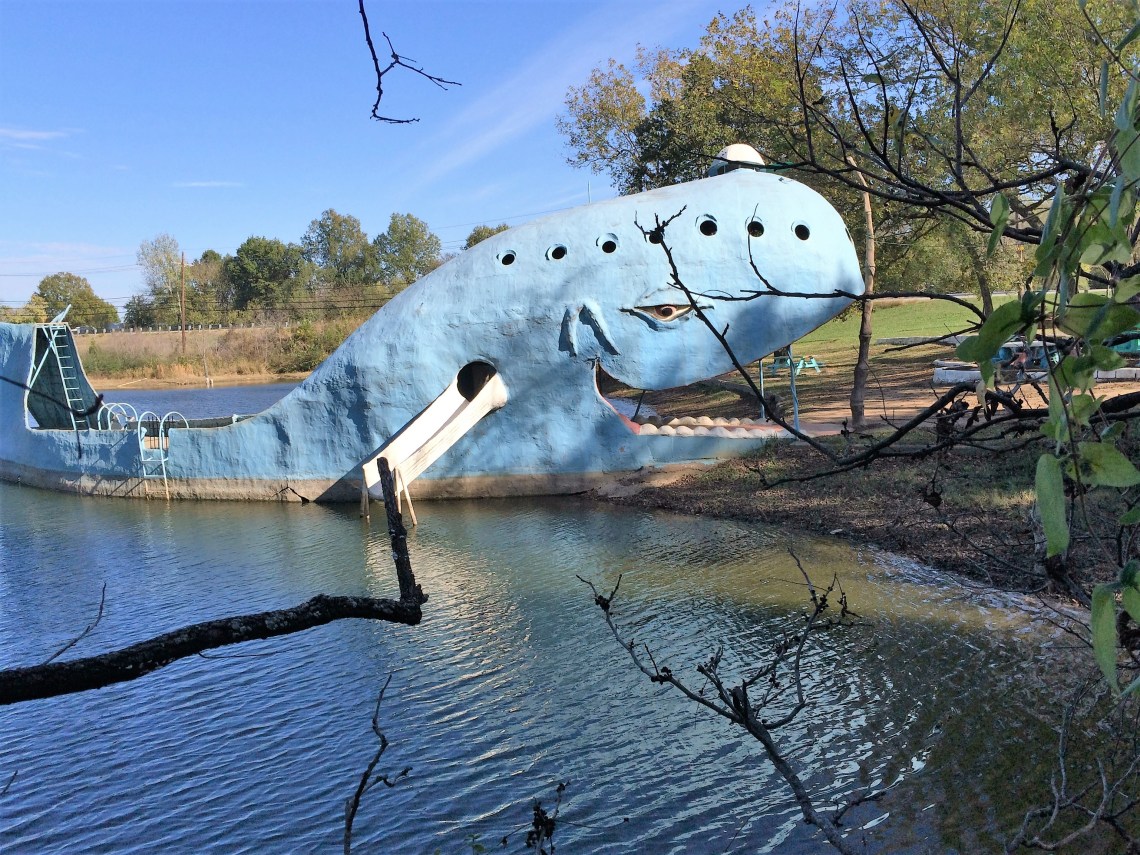
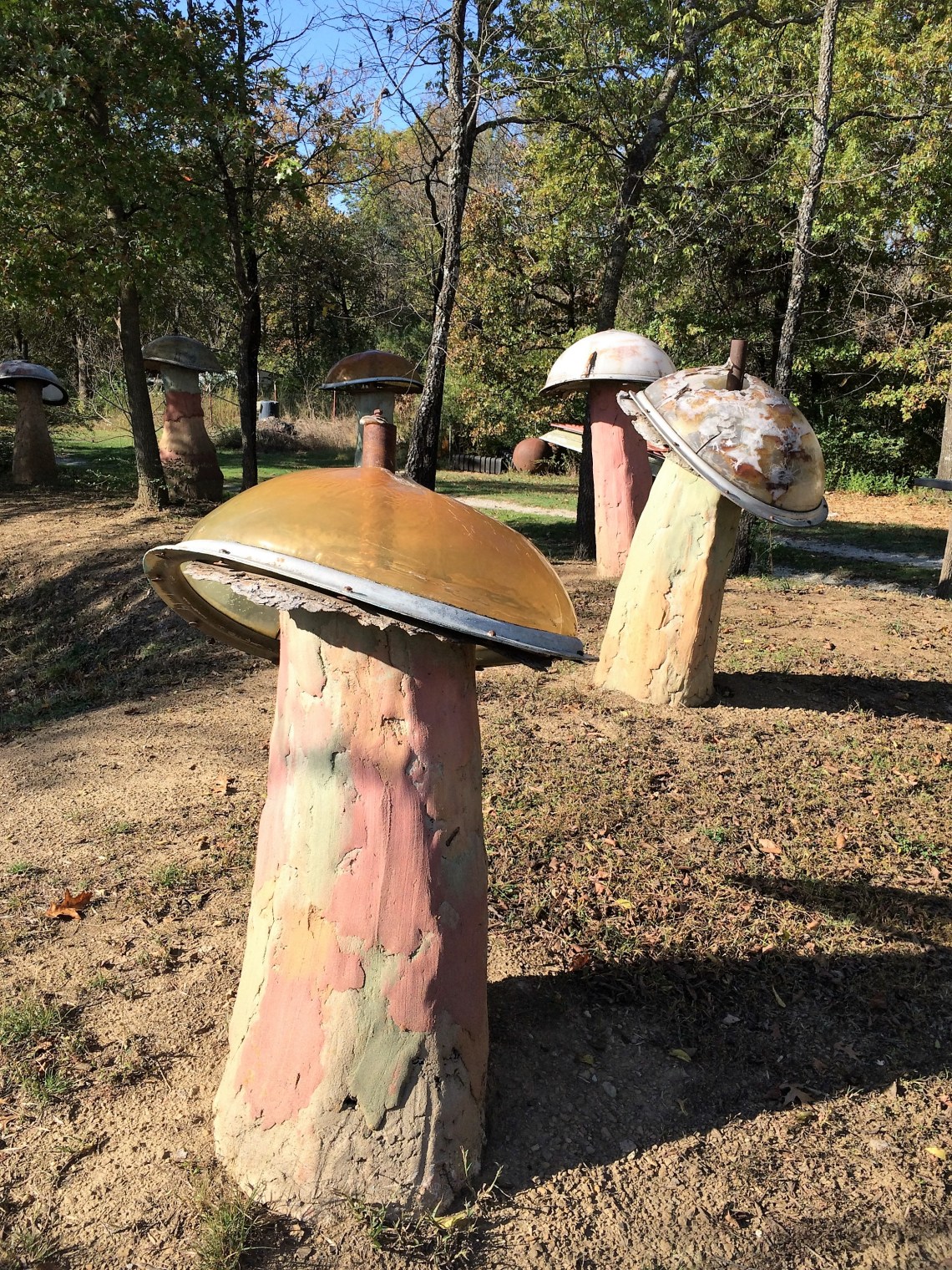
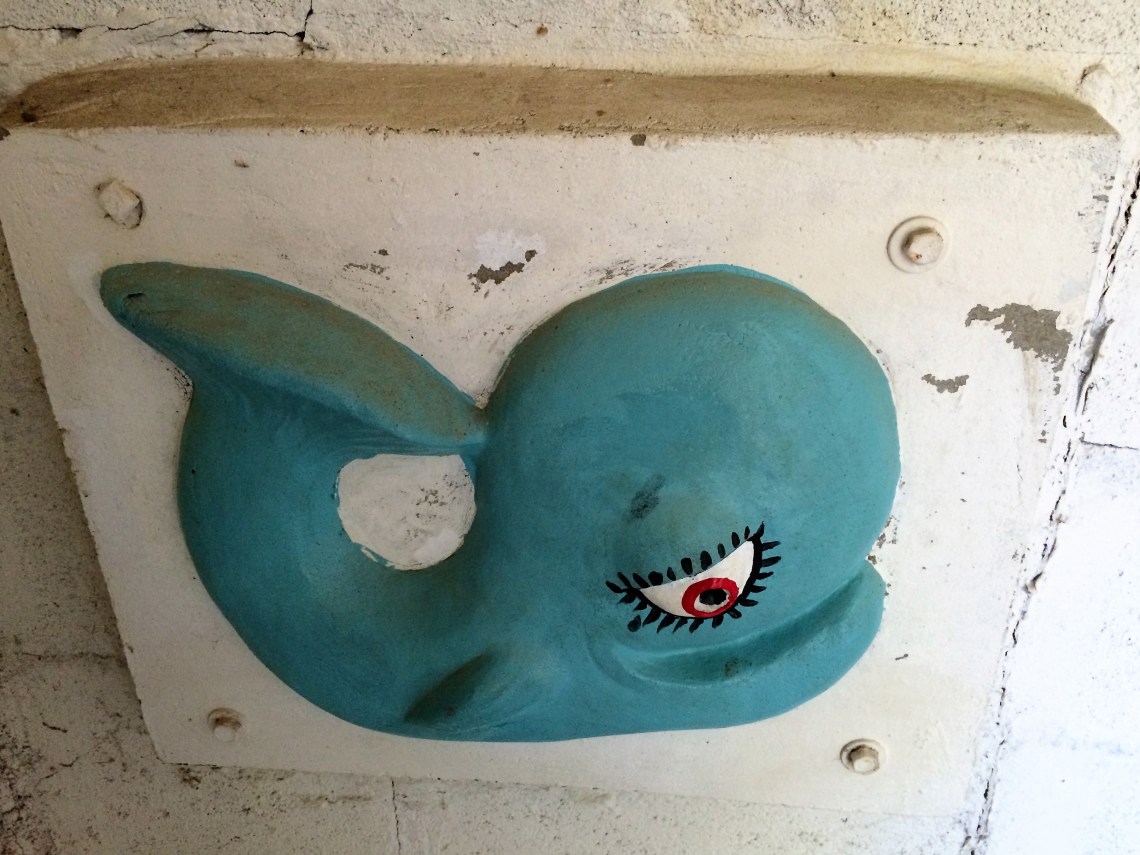
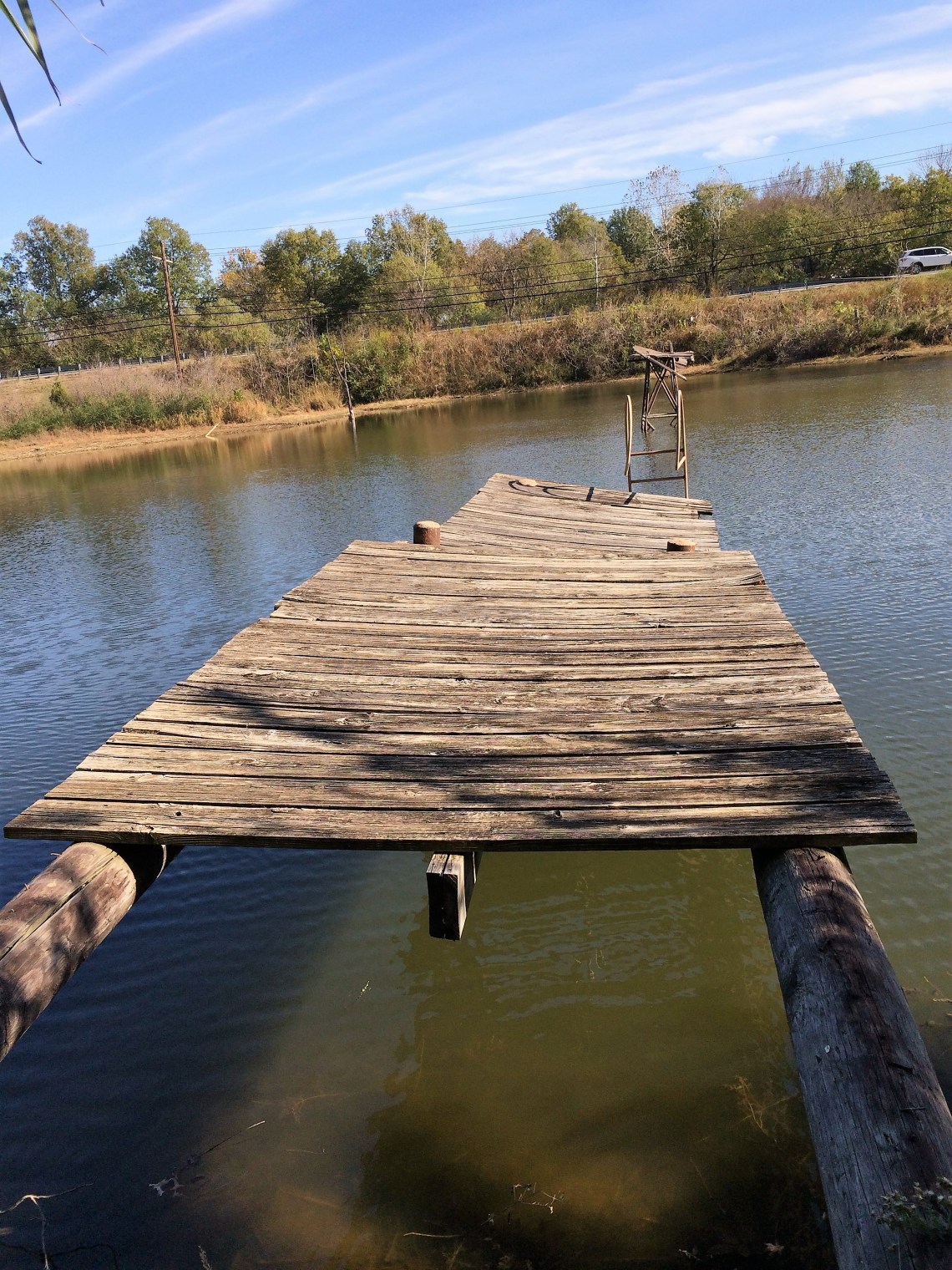
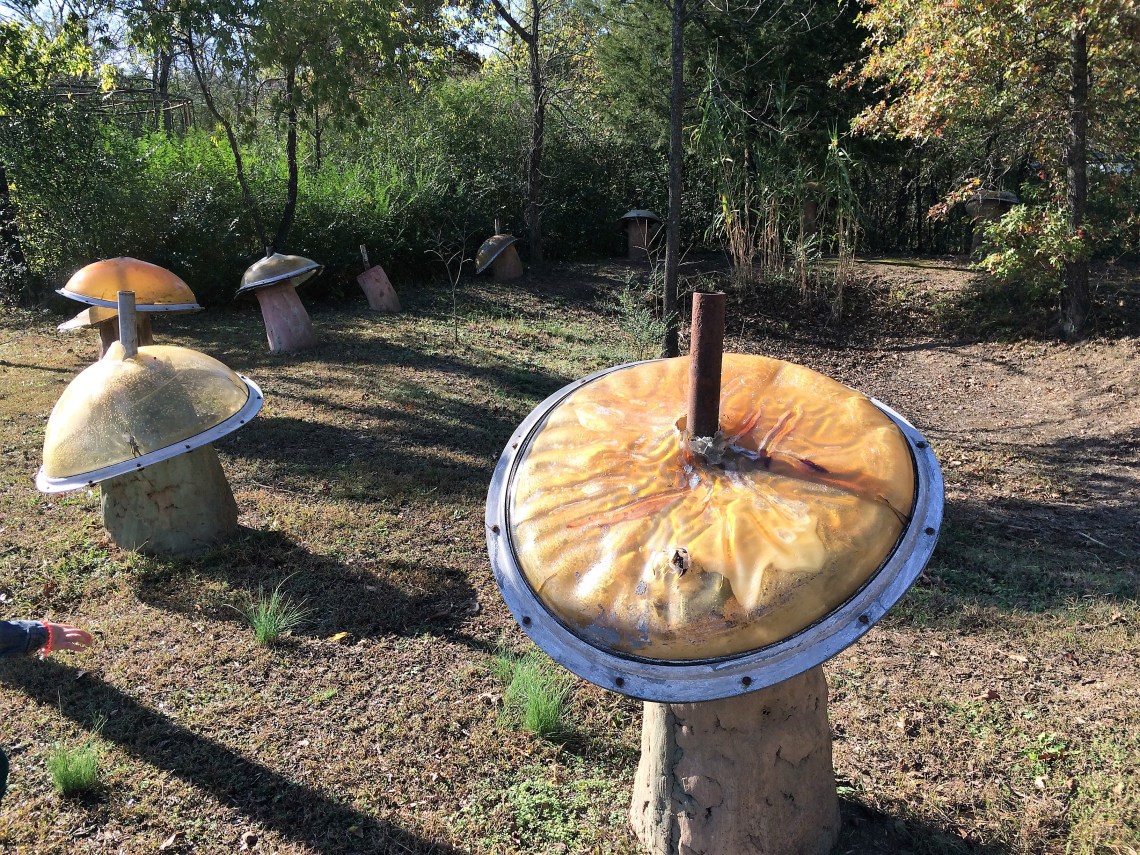
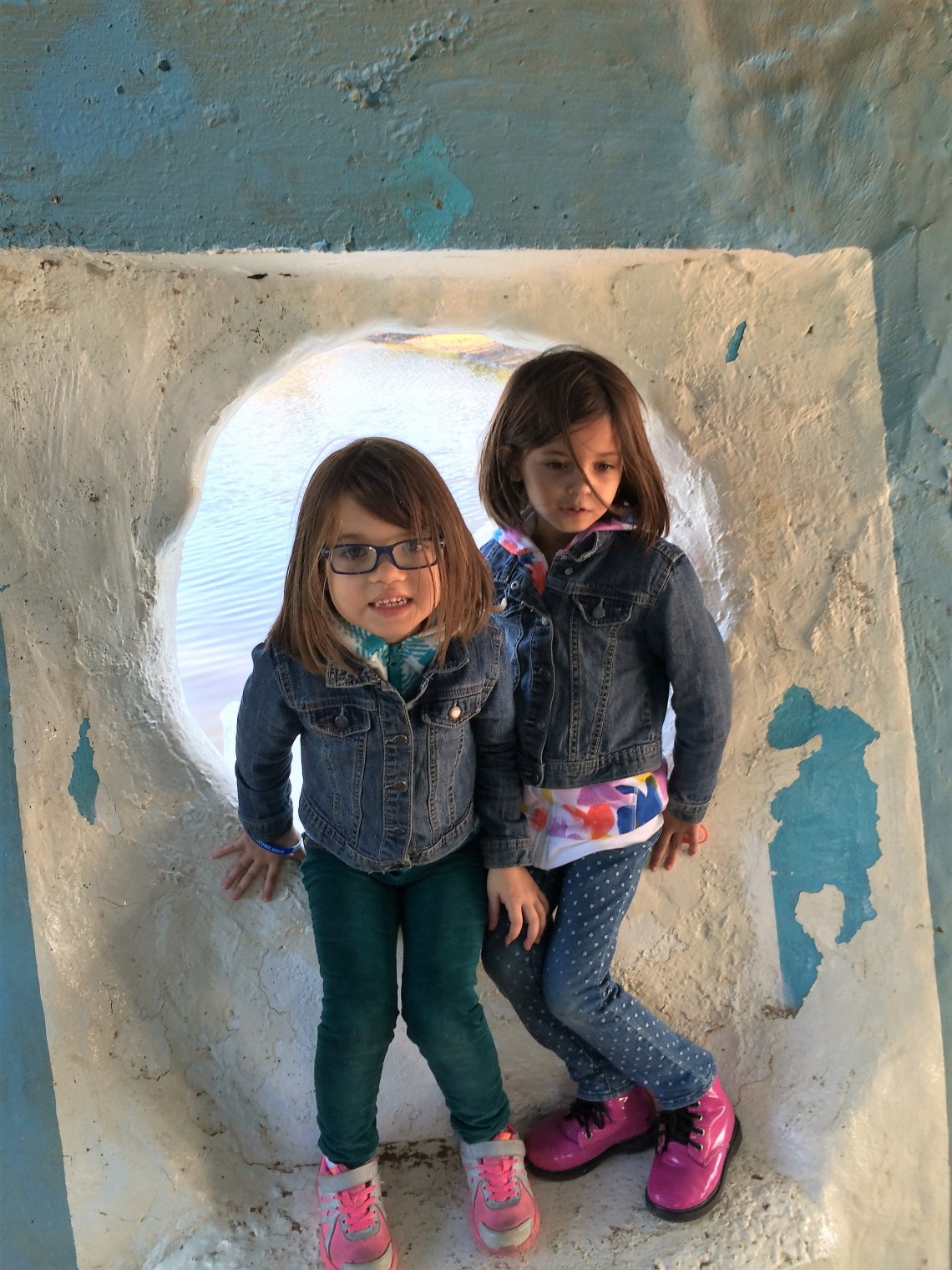
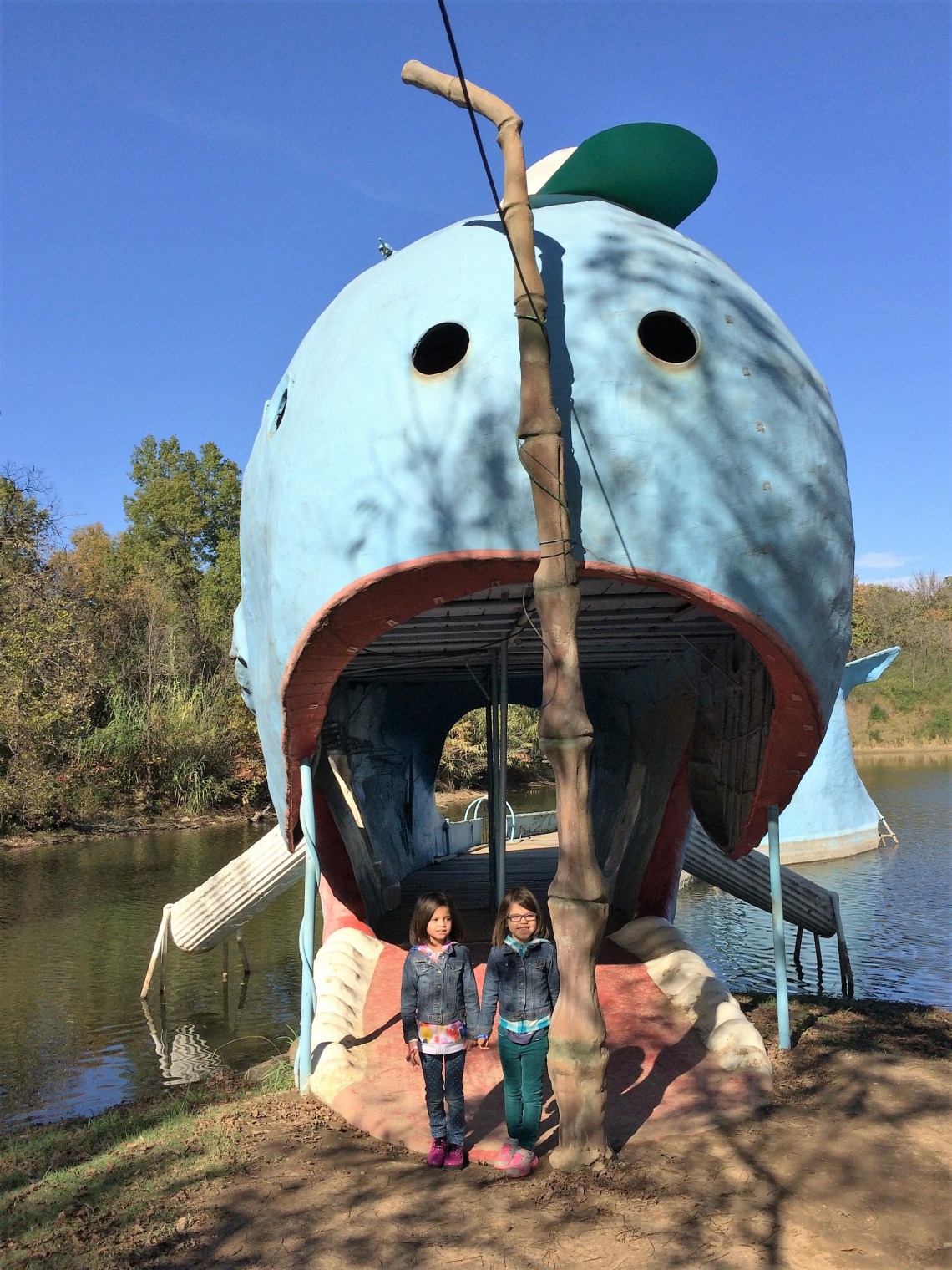
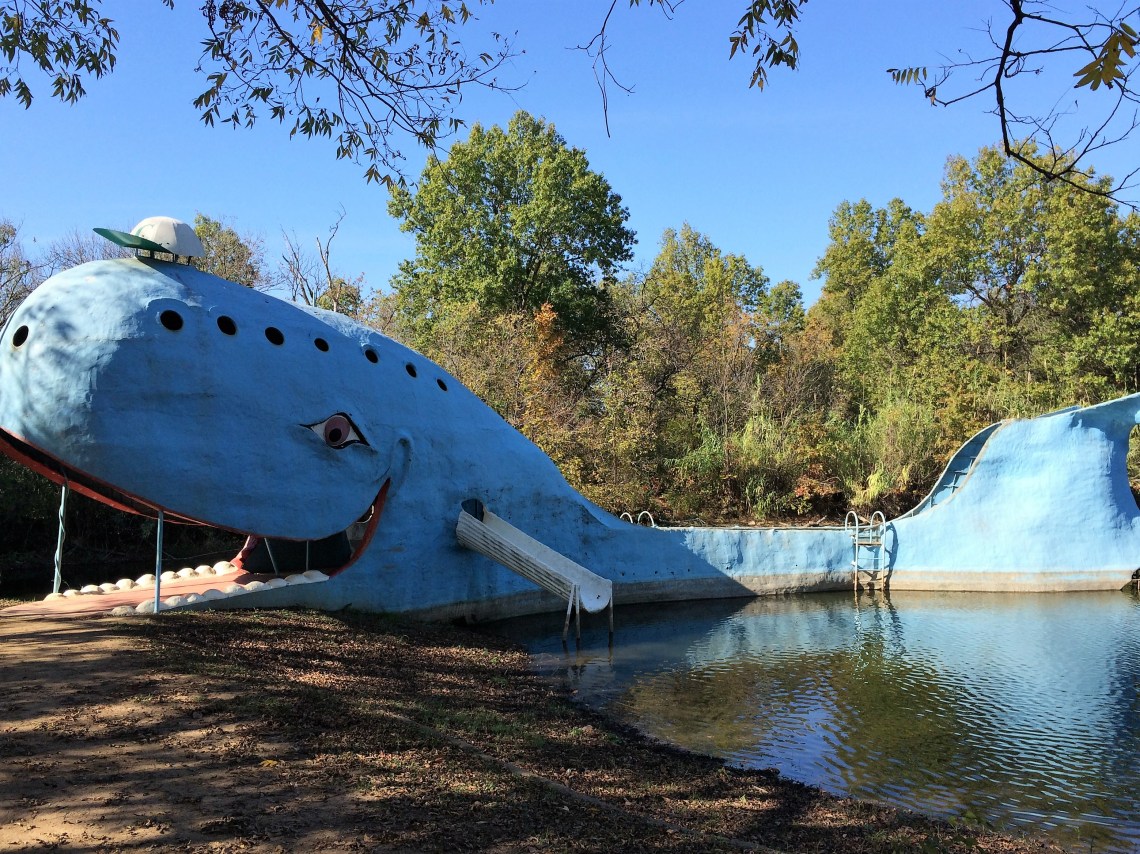
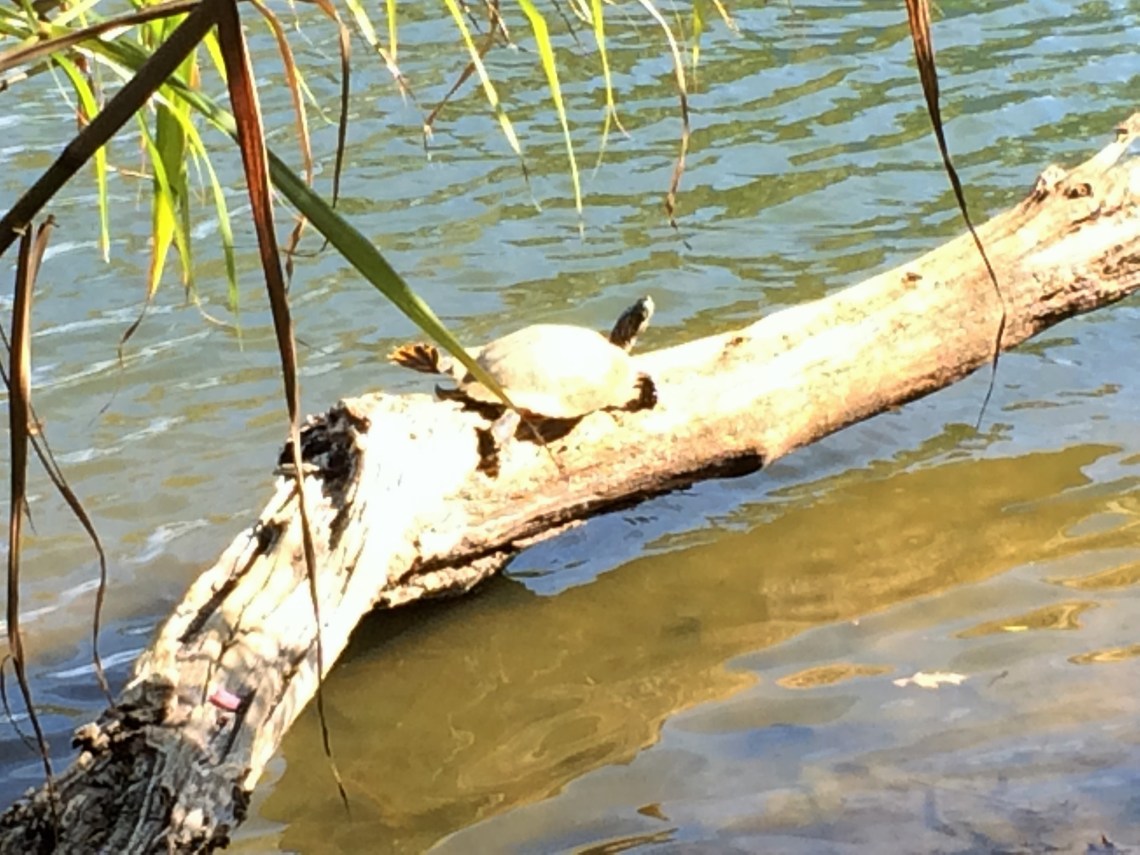
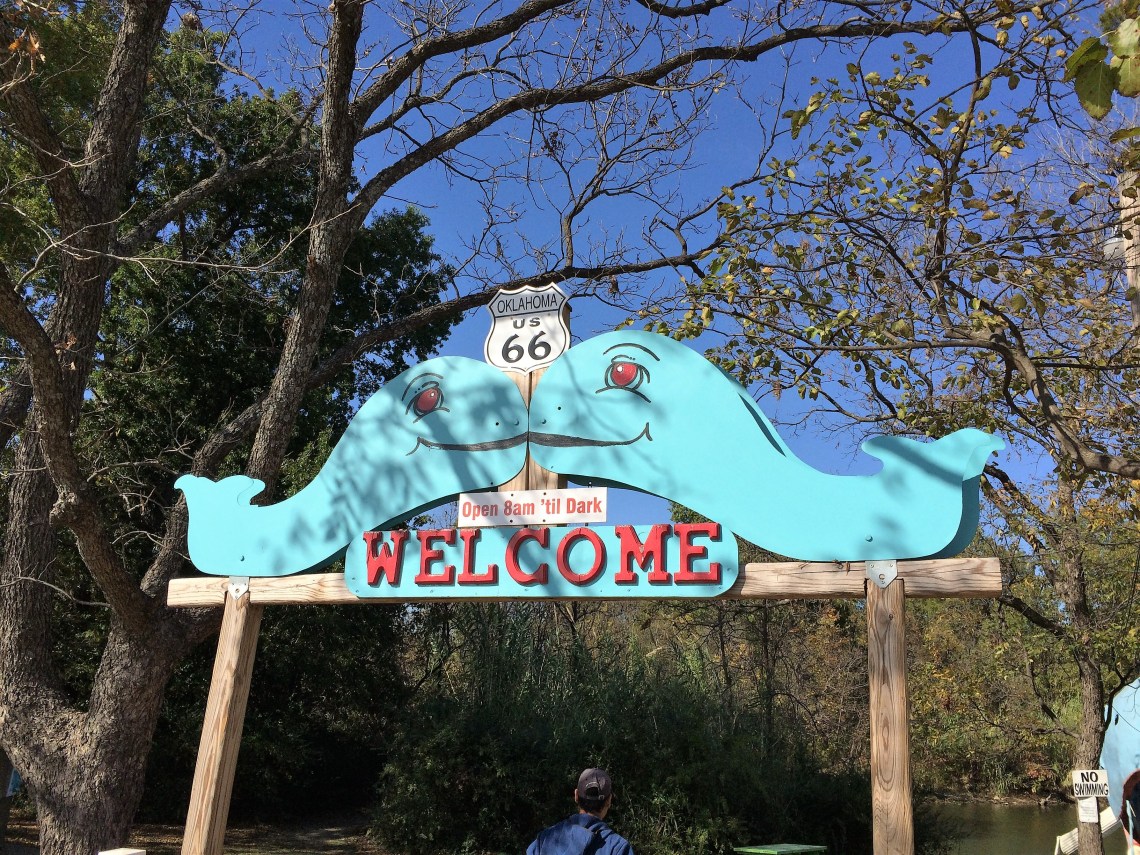
The famous park once included the Animal Reptile Kingdom (ARK), and the dilapidated cages can still be seen today, though it is in disrepair and covered with brush. While we were there, a man was working on clearing some of it out. There was a small gift shop, and the woman inside told us she was a member of a Route 66 historical group that was working to restore and maintain some of the attractions along the famous roadway.
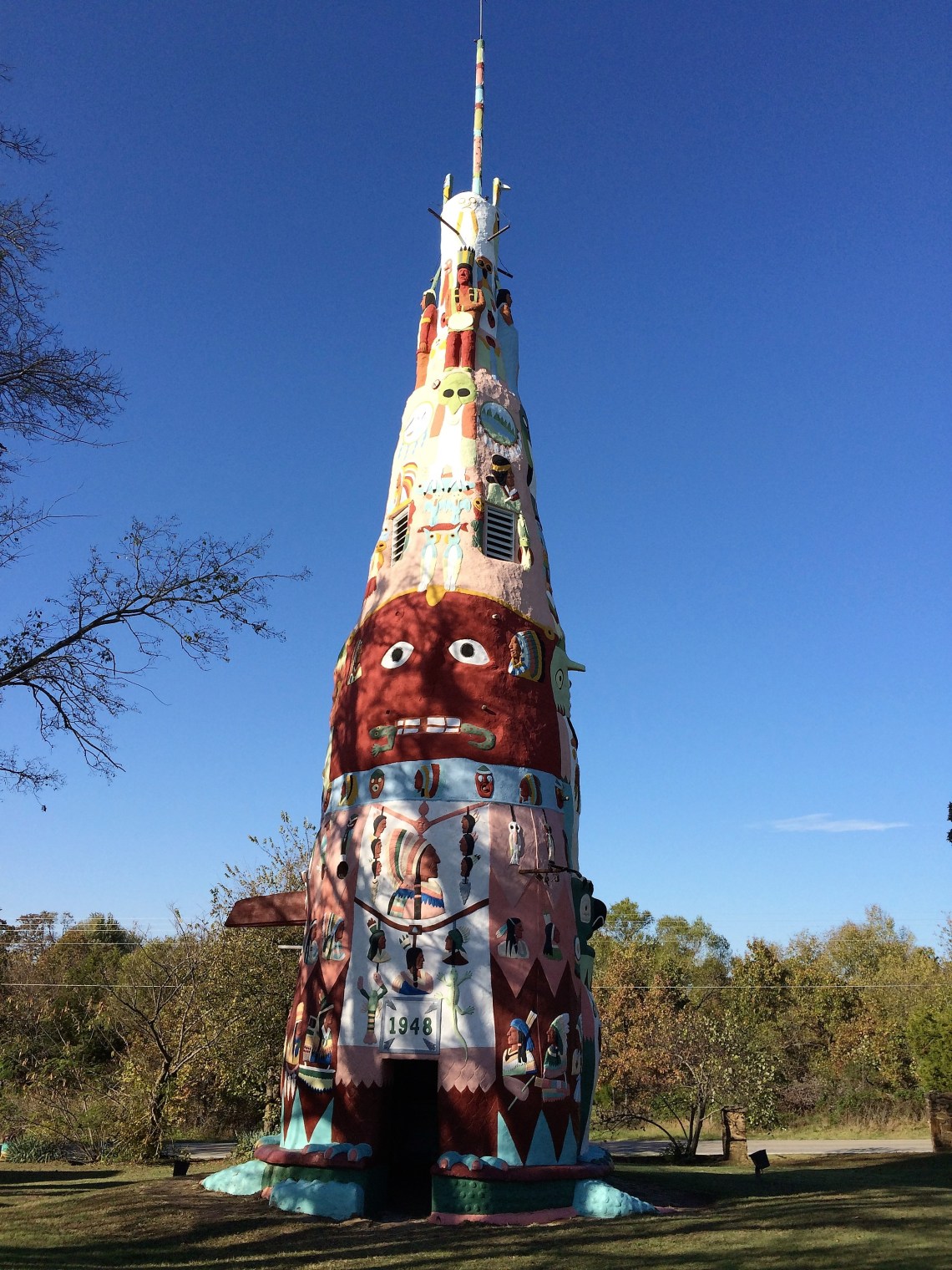
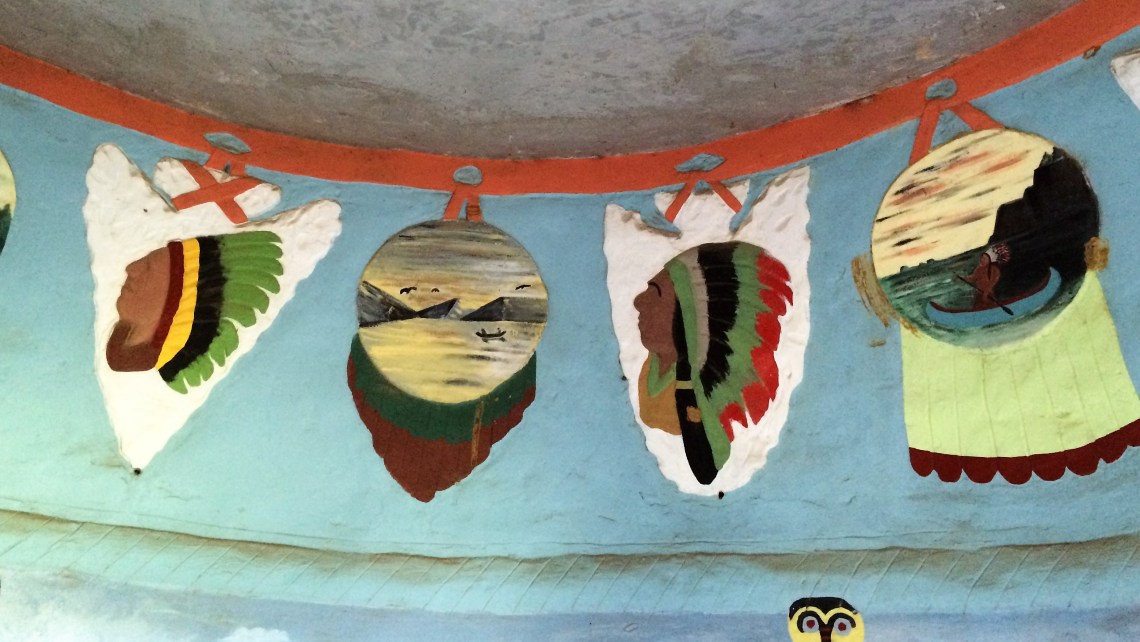
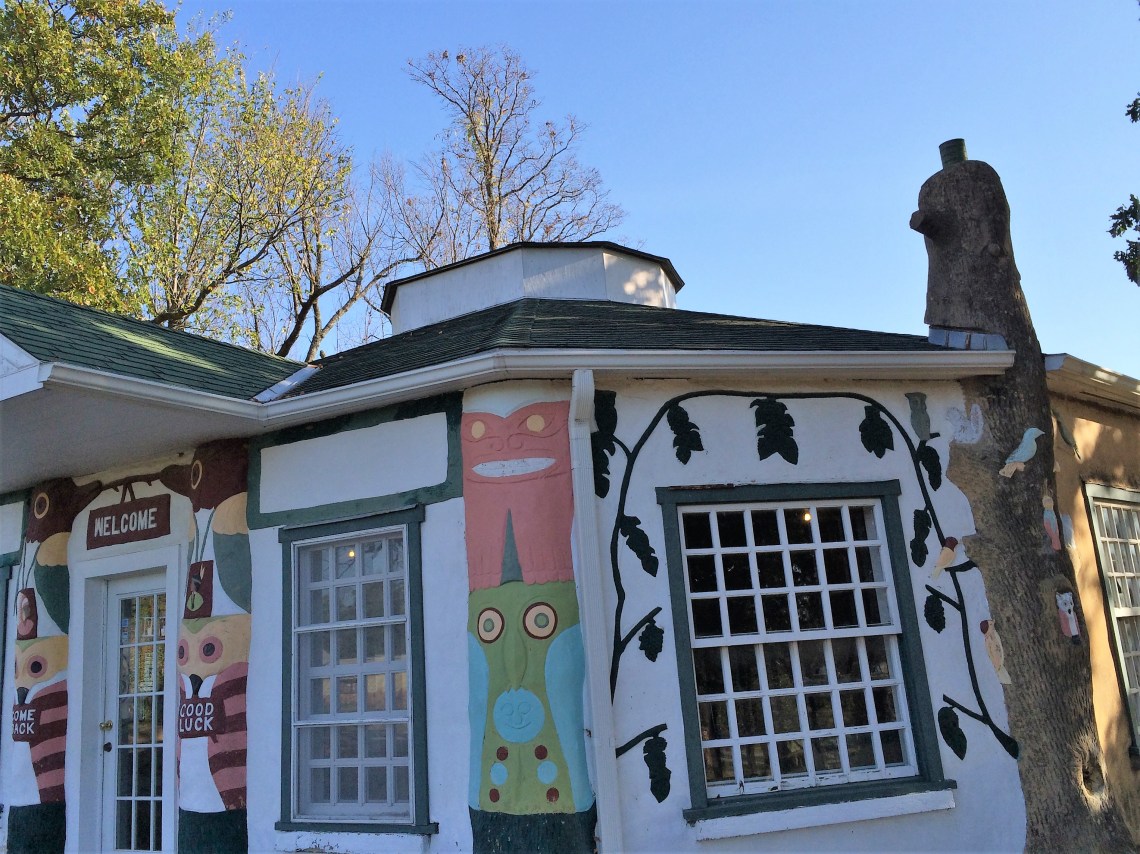
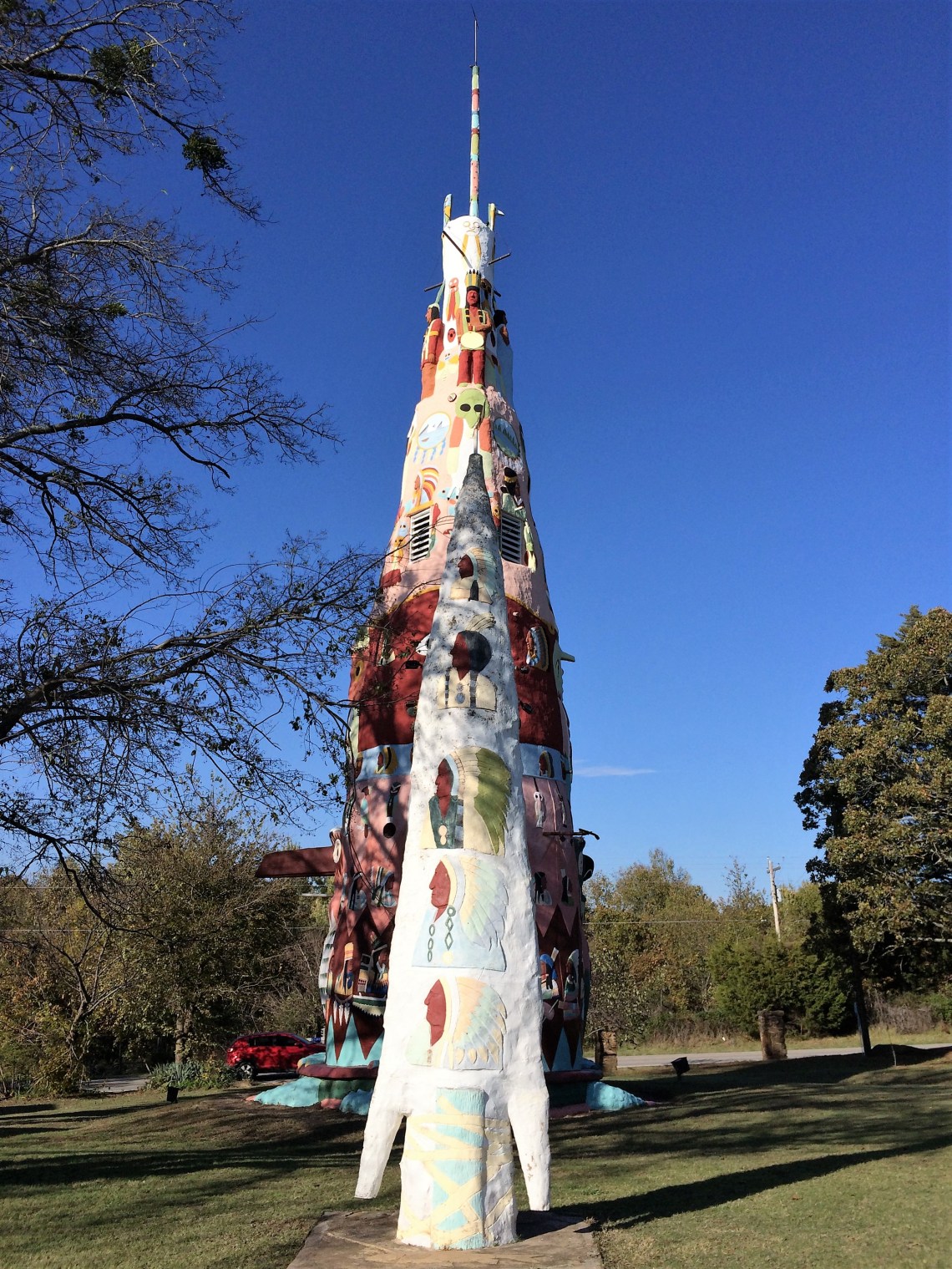
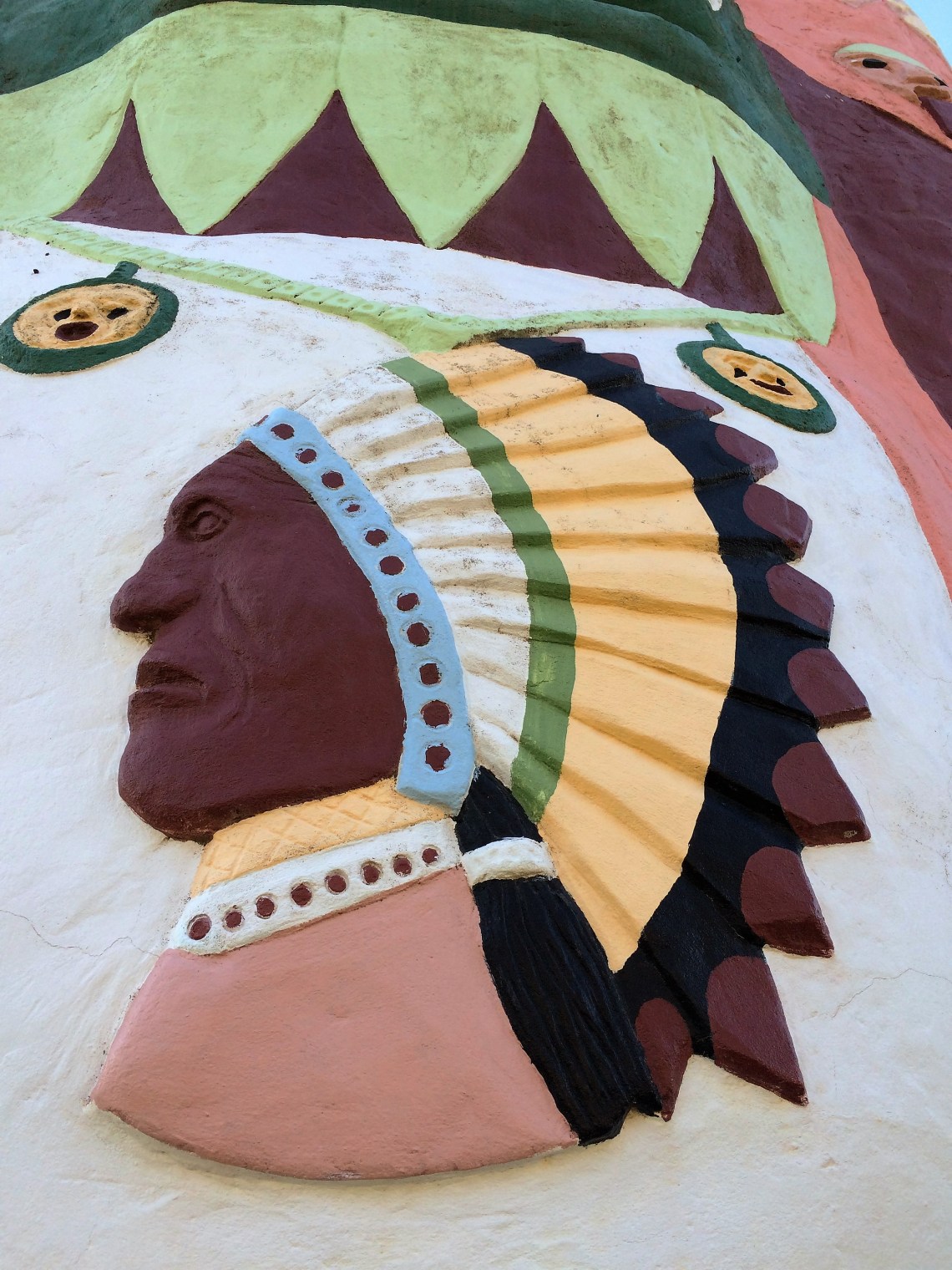
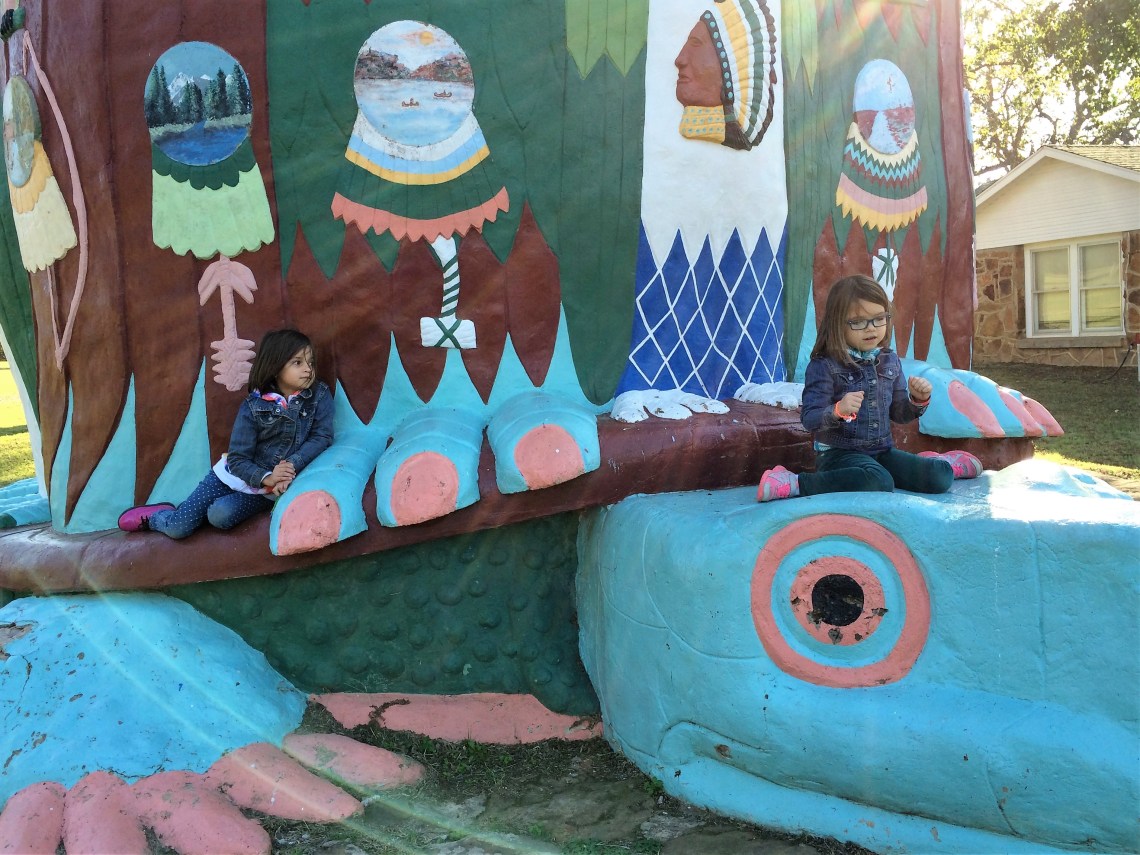
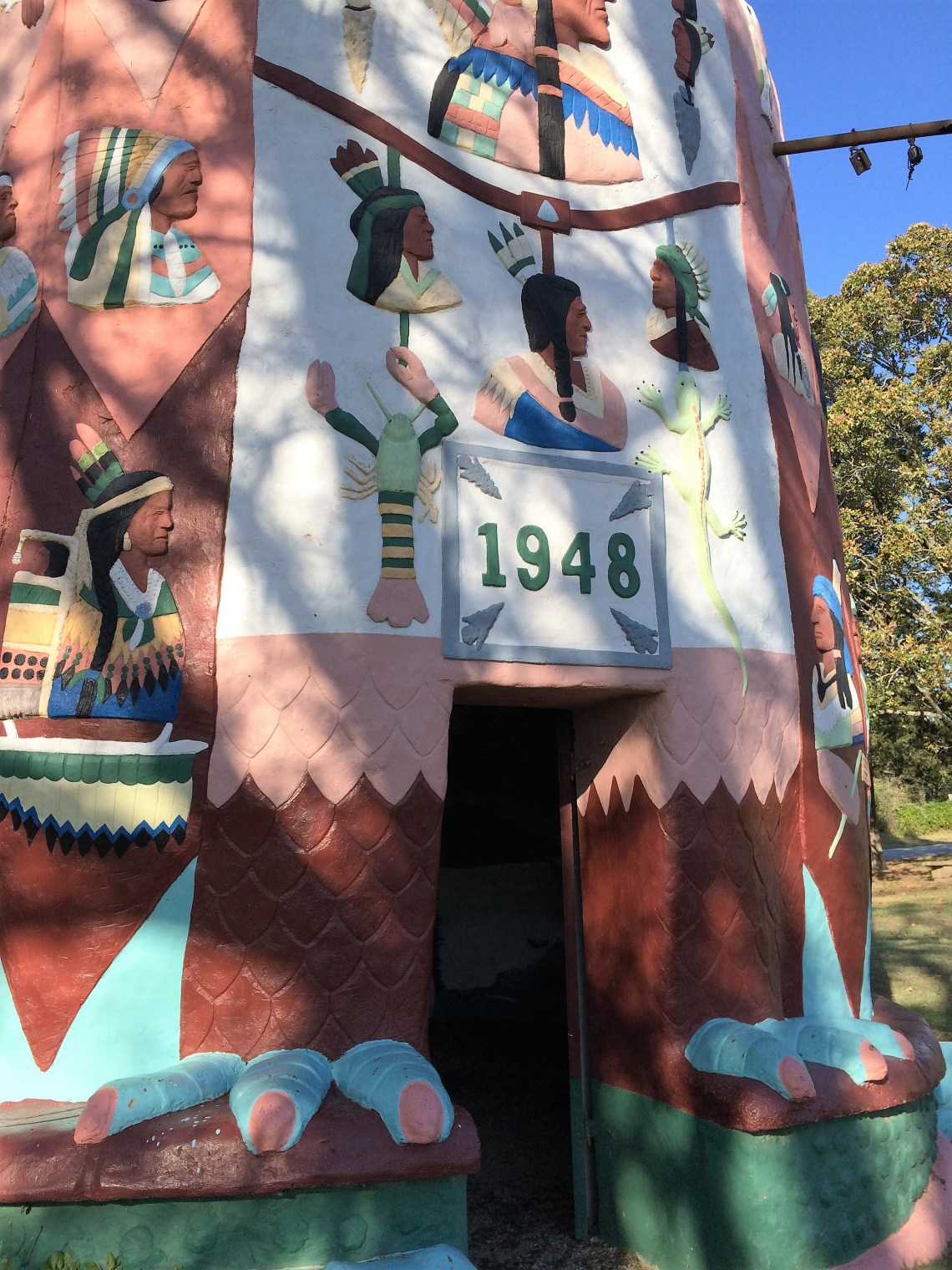
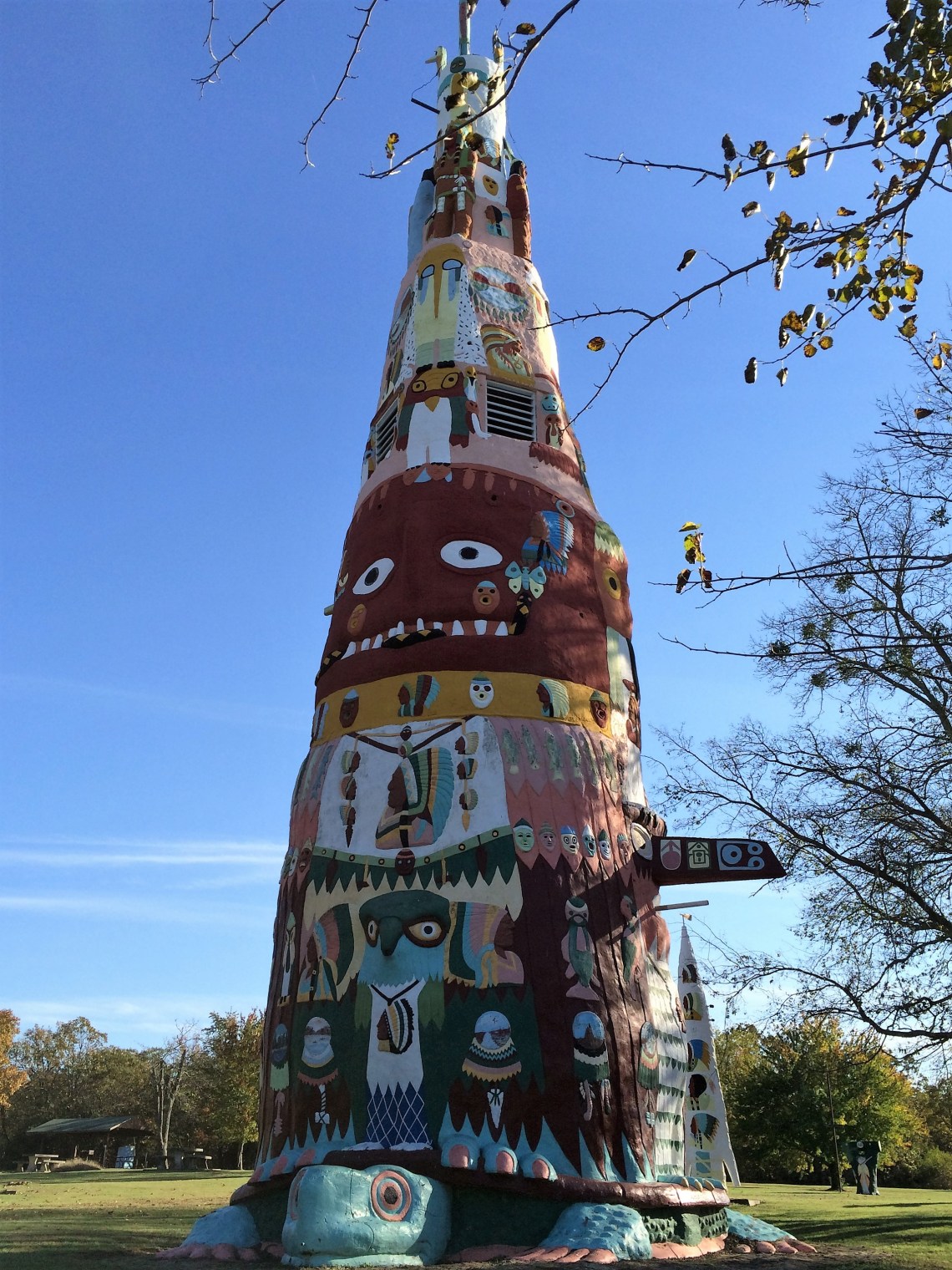
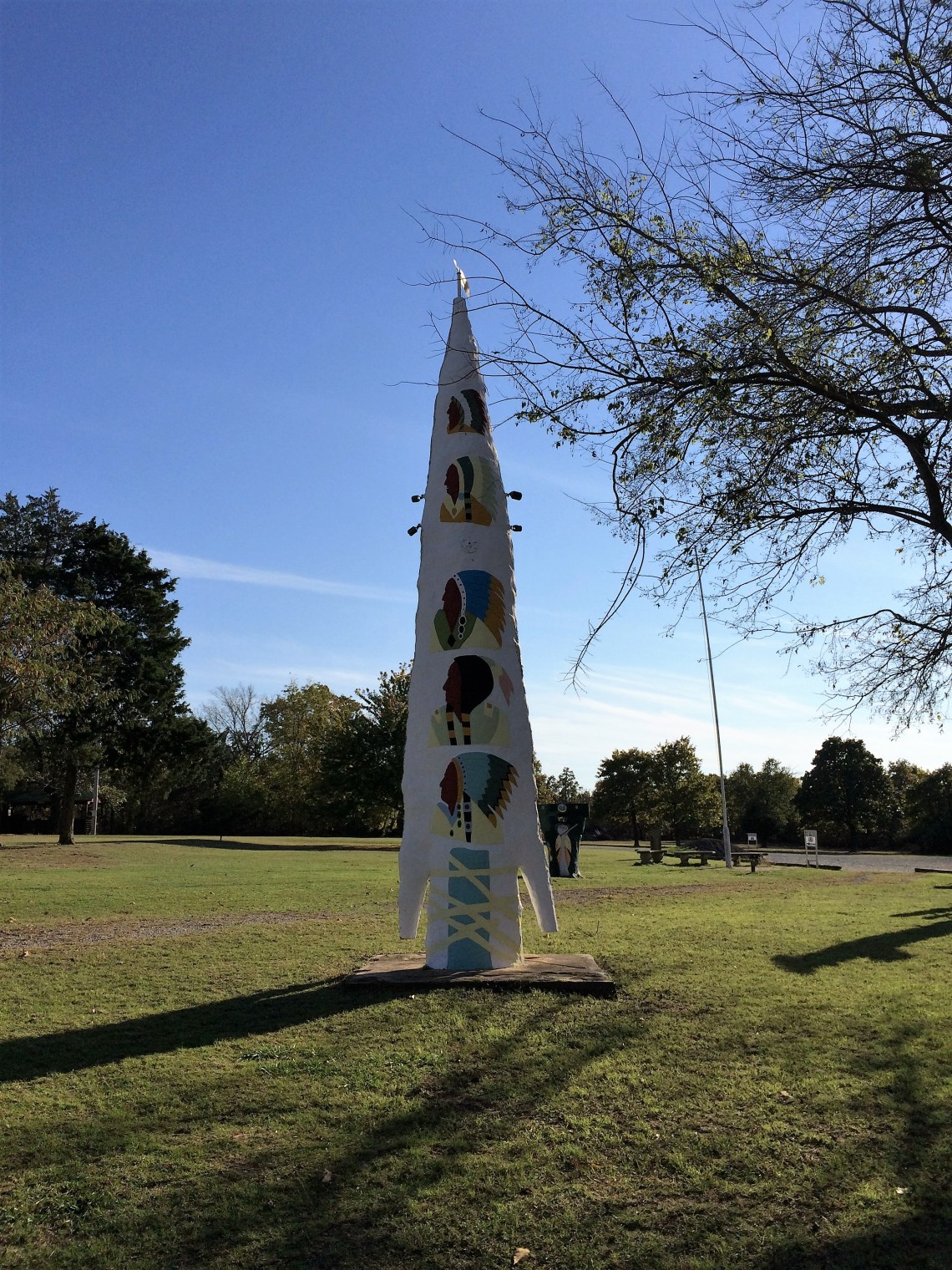
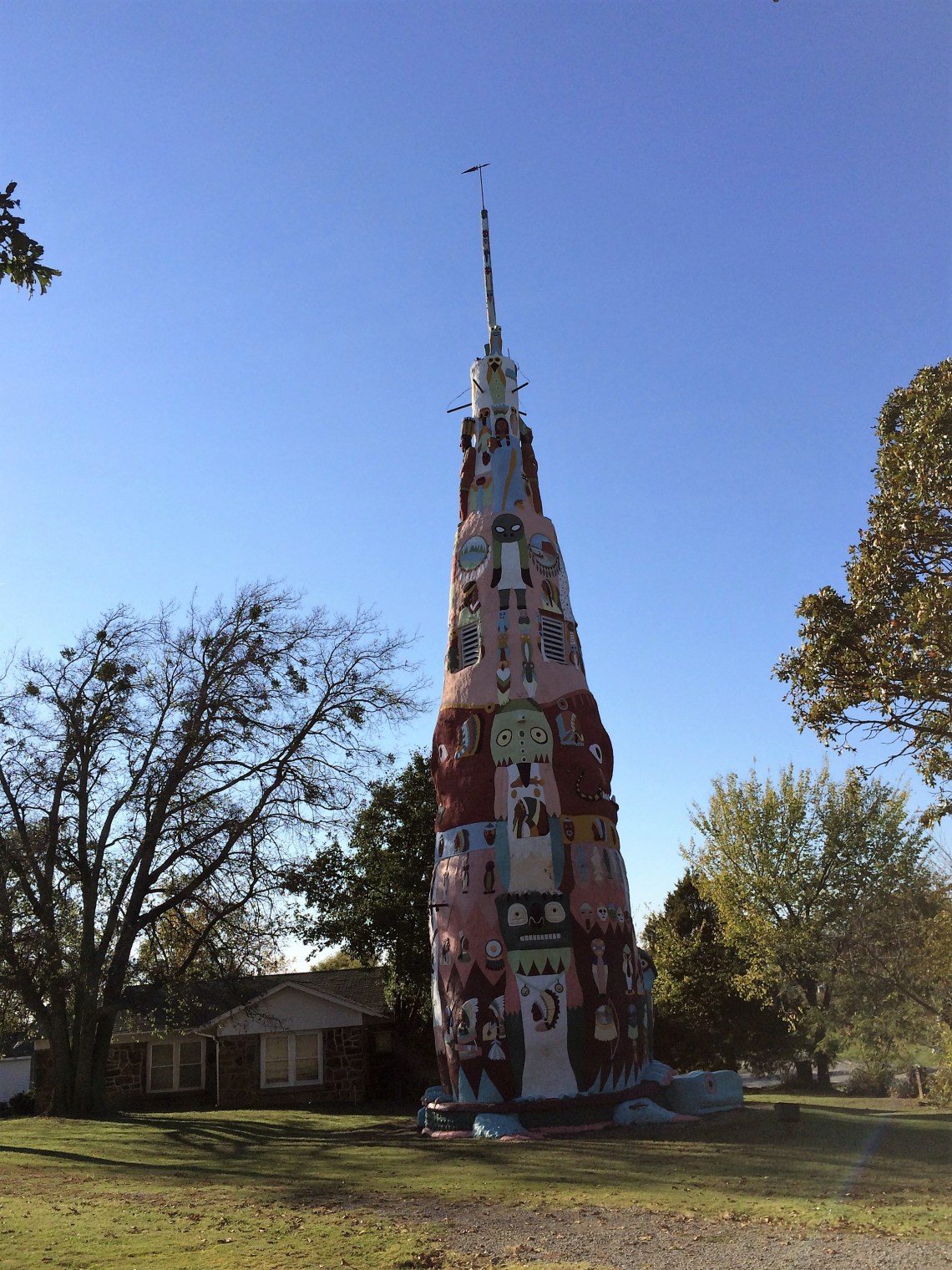
We also drove out to Ed Galloway’s Totem Pole Park. Not actually on Route 66, but a close detour that many driving the route took, this small park features the world’s largest totem pole. Working mostly by himself, Galloway started the Totem Pole in 1937 and finished in 1948. At 90 feet tall, the structure is made from 100 tons of sand and rock, 28 tons of cement, and 6 tons of steel, according to the sign inside the totem pole. There are several other structures at the park, but this one is the largest. There is also a museum that displays some of Galloway’s wood carvings, including an impressive collection of violins made from various types of wood.
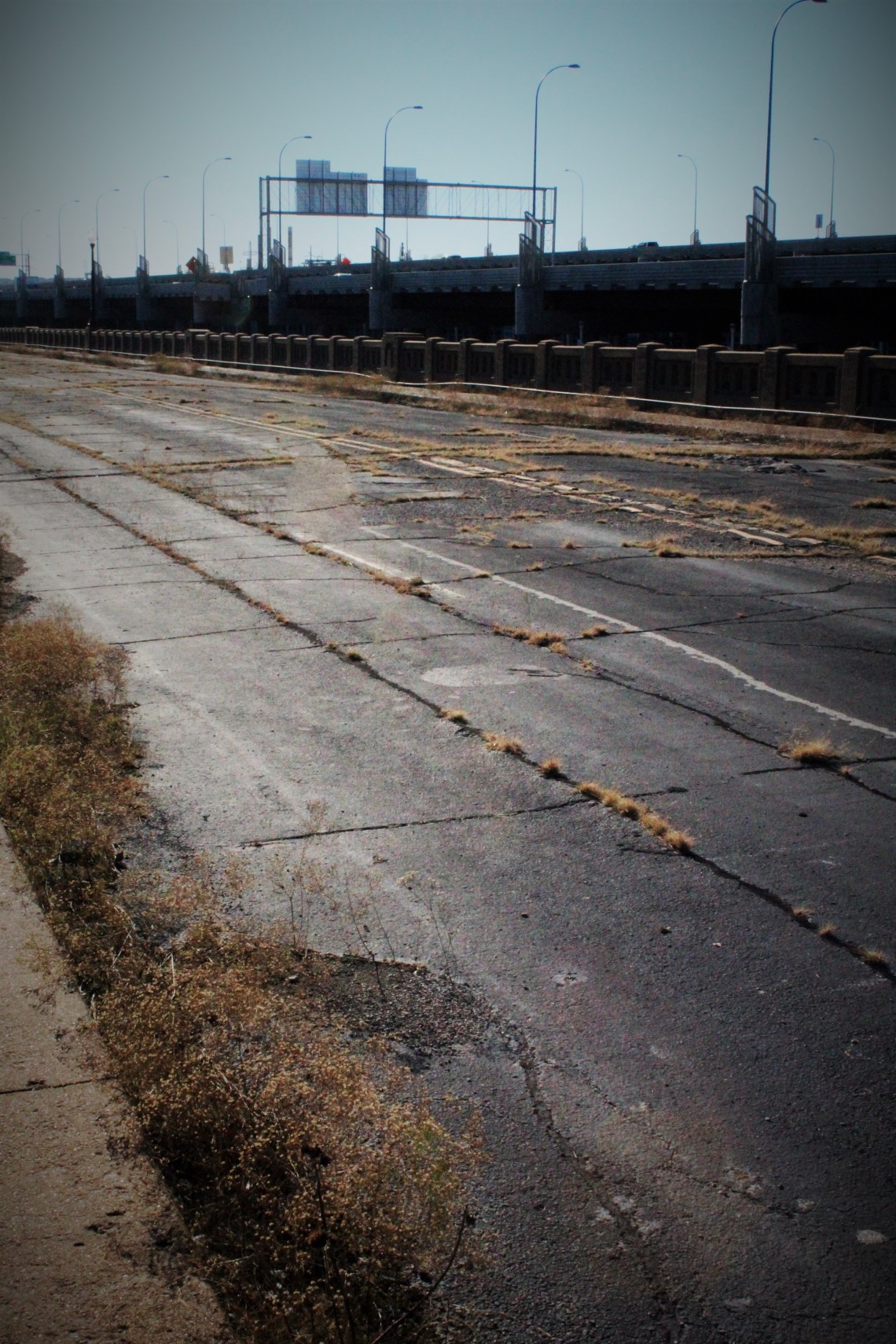
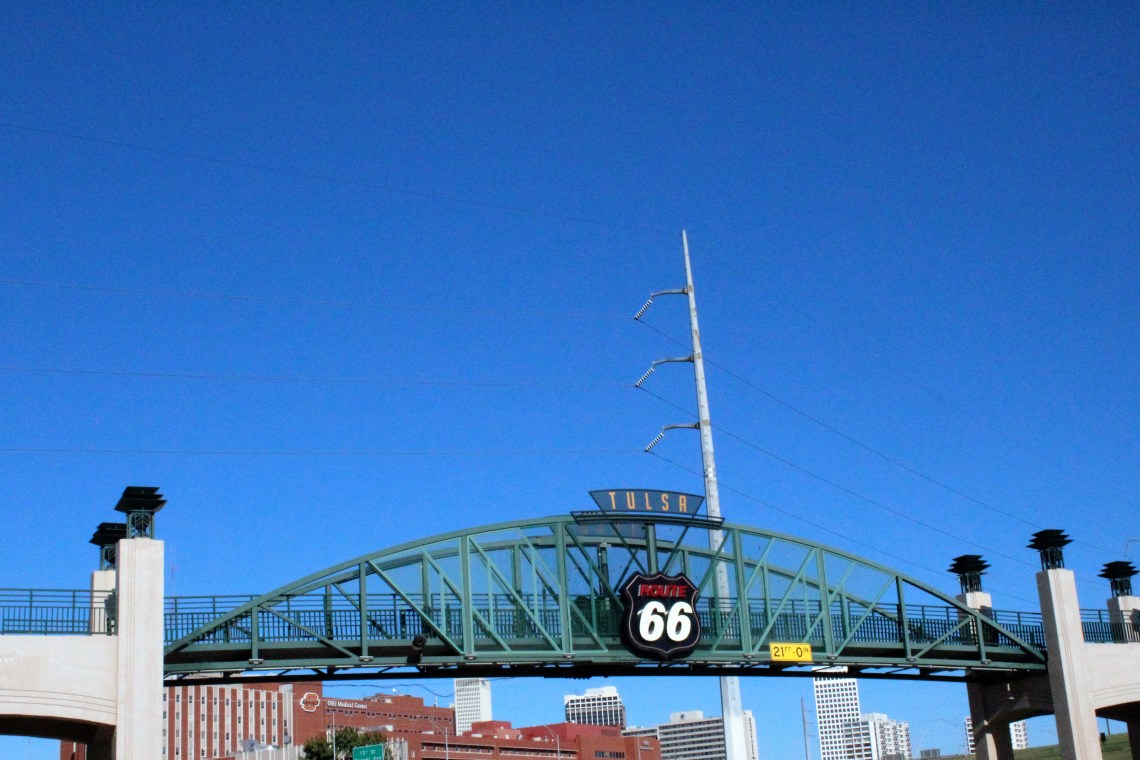
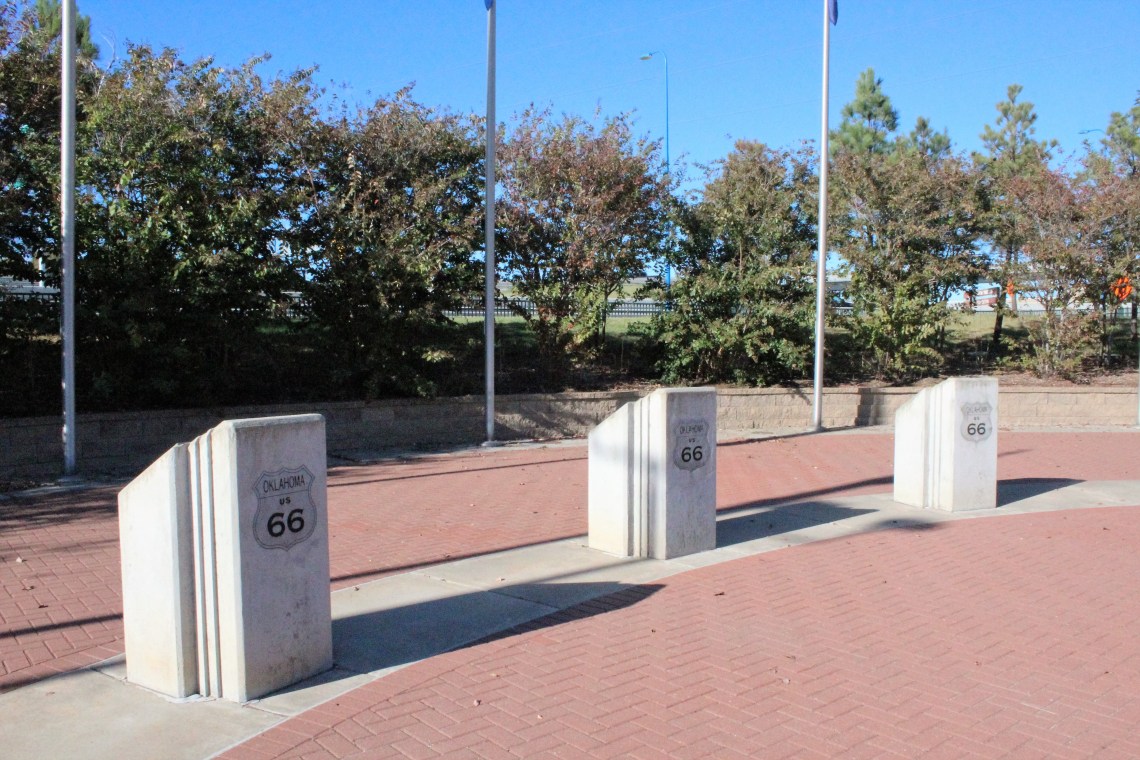
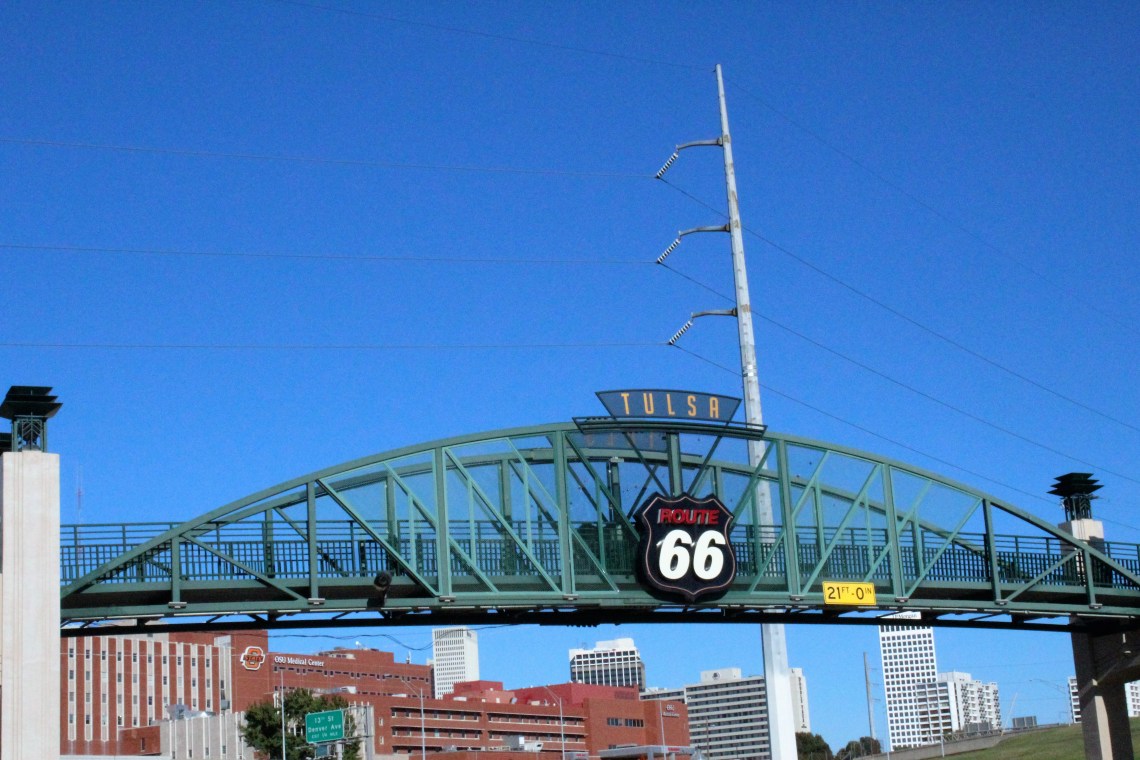
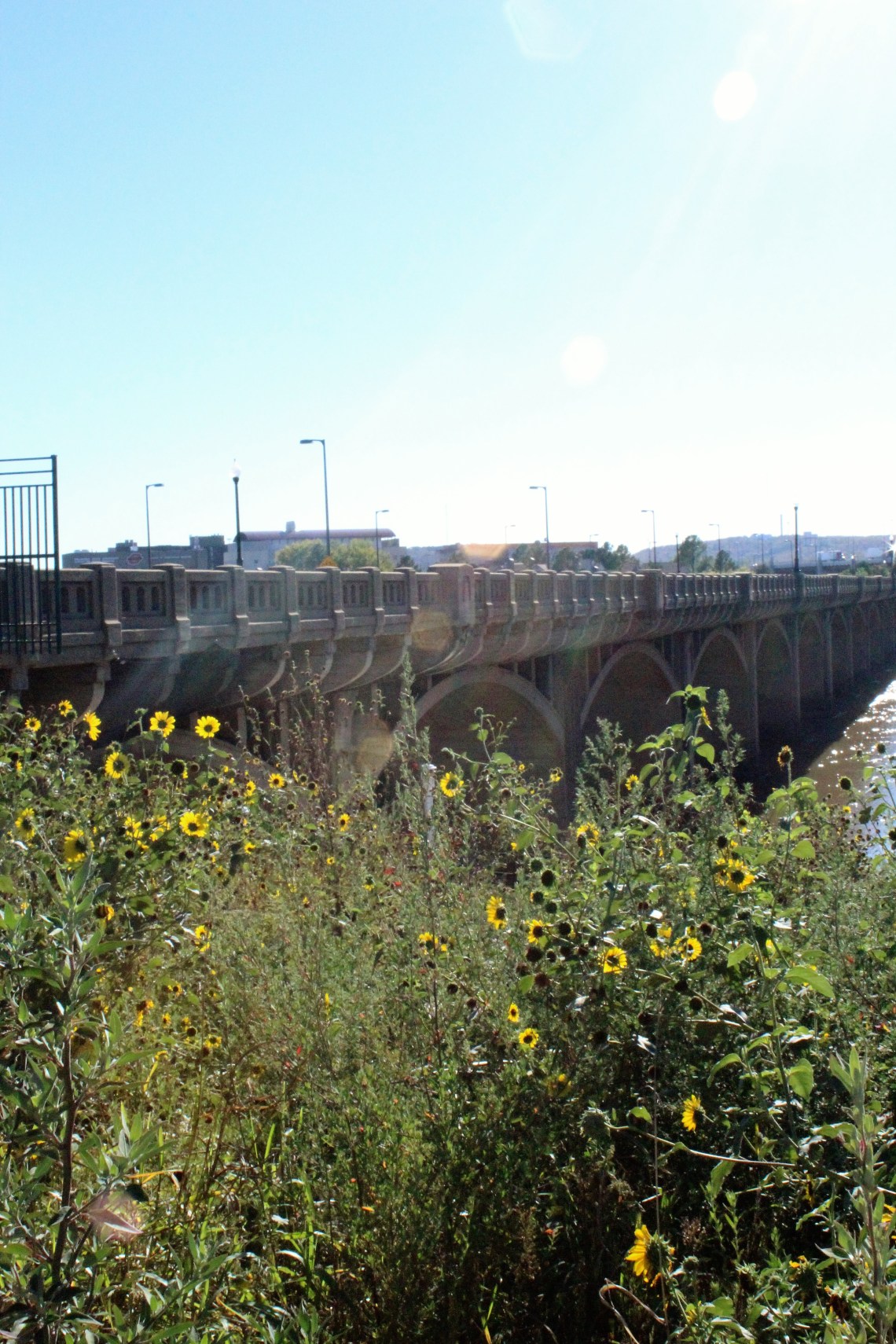
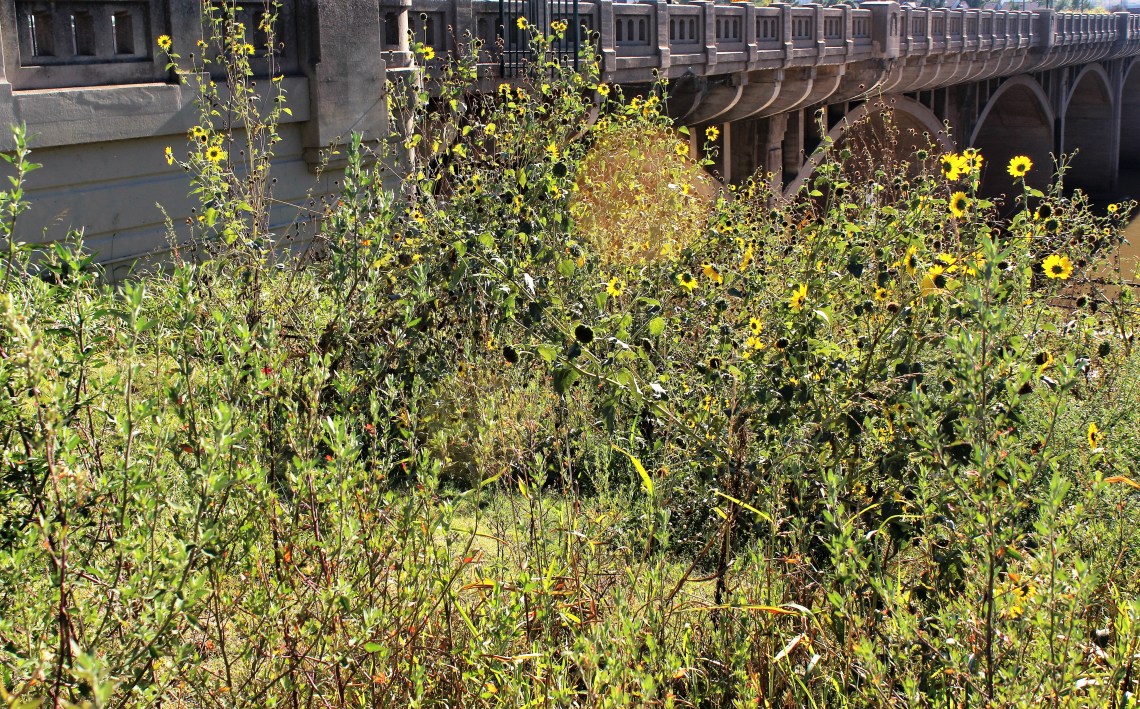
We also ventured over to the 11th Street Bridge, completed in 1915 and used from 1916-1972. Named the Cyrus Avery Route 66 Memorial Bridge in 2004, after the man known as the “Father of Route 66,” the bridge is now unsafe to cross (even for pedestrians). Though it would cost too much to repair, it will stay put as a structure now listed on the National Register of Historic Places.
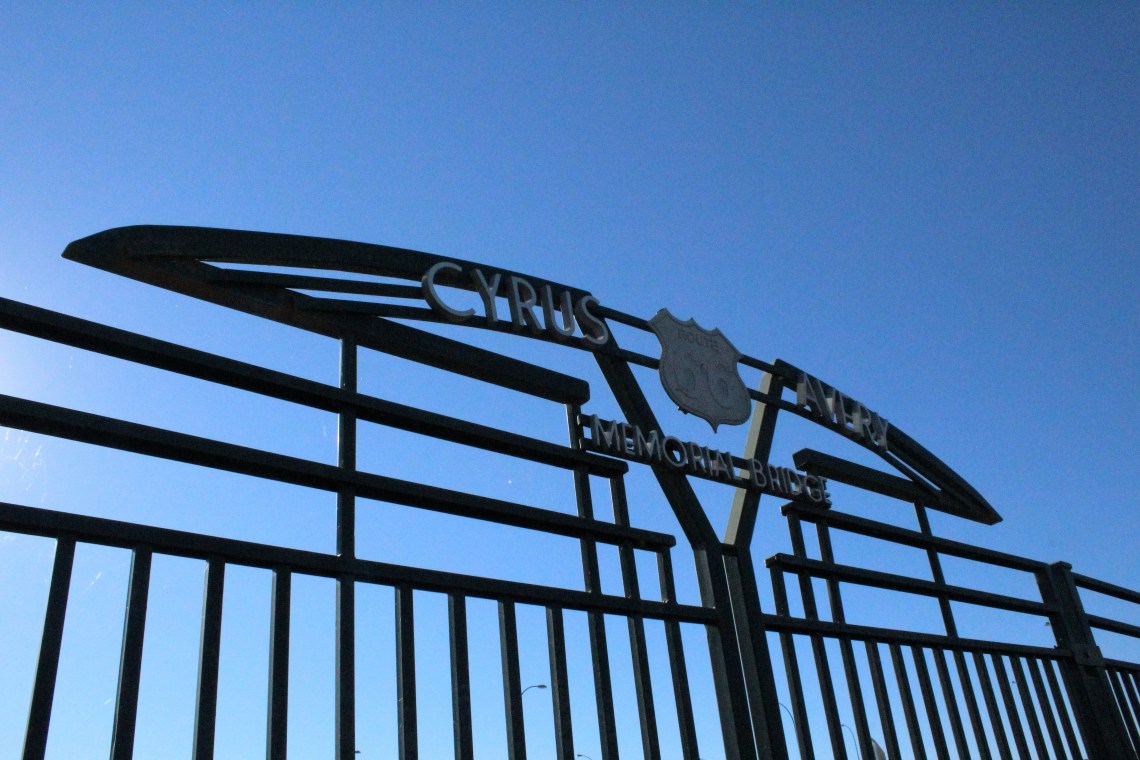
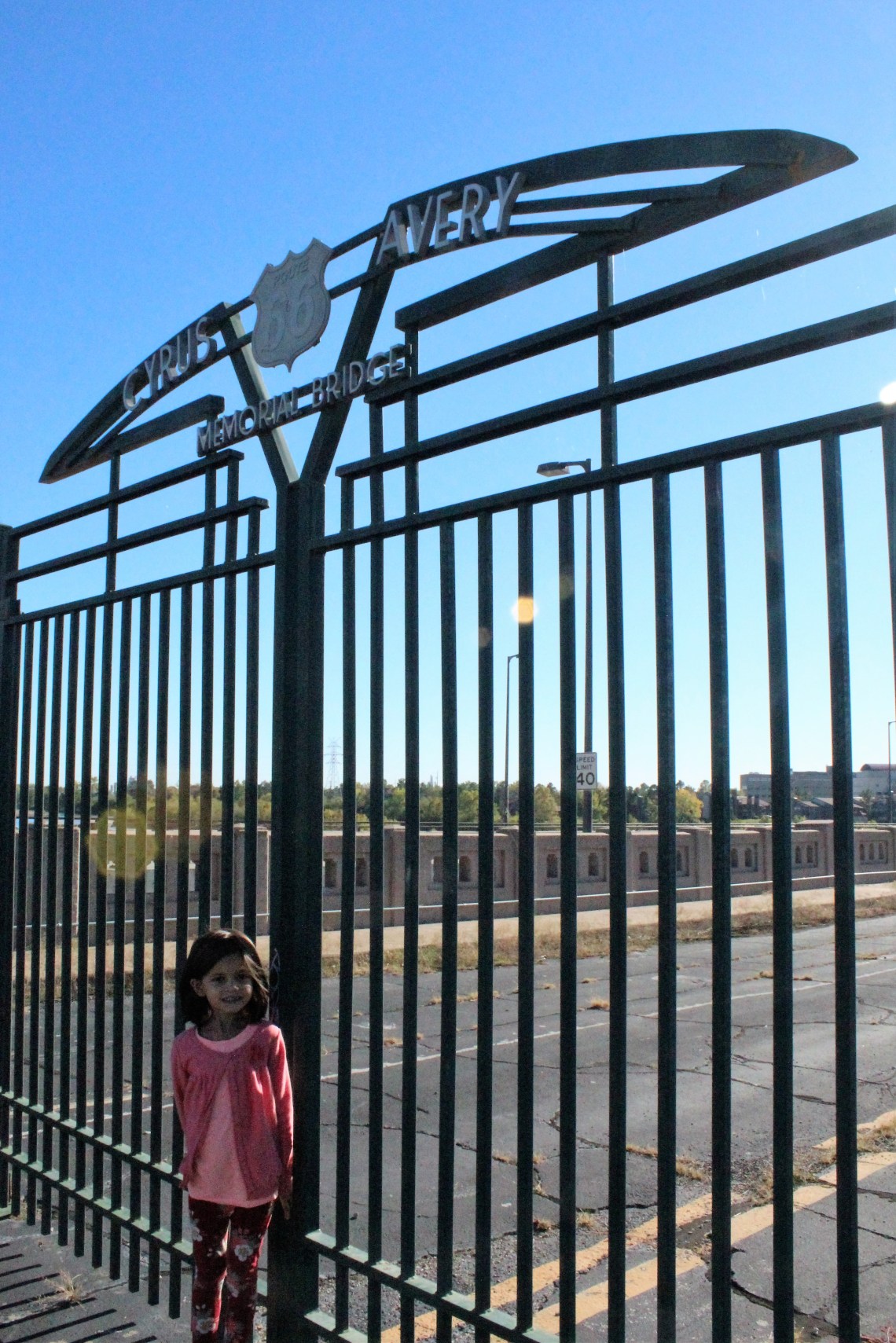
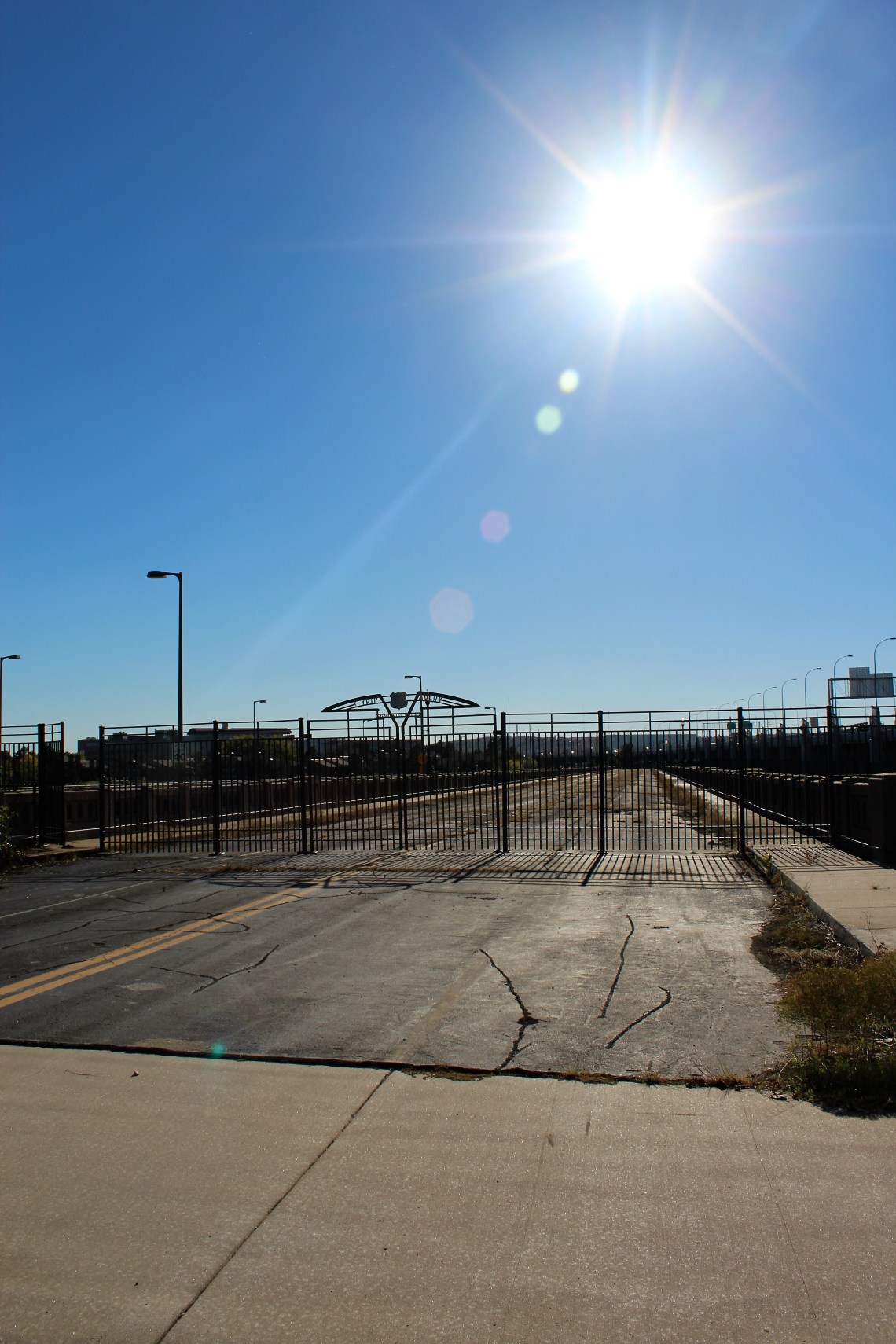
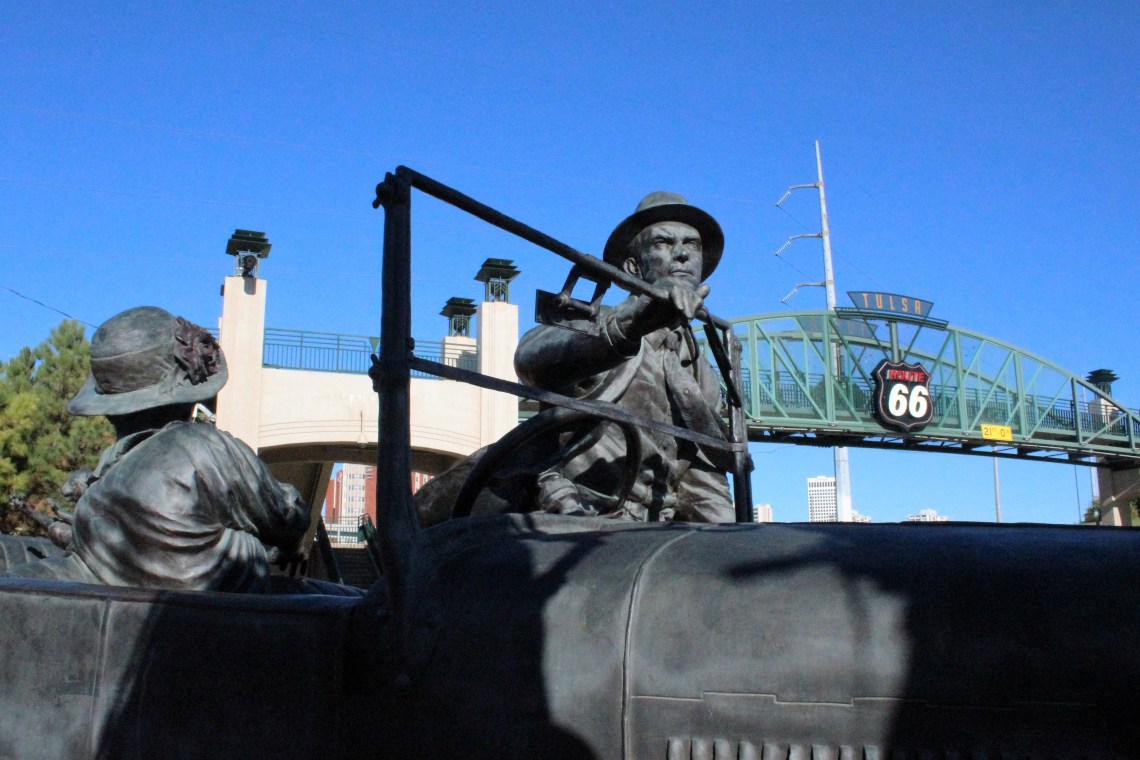
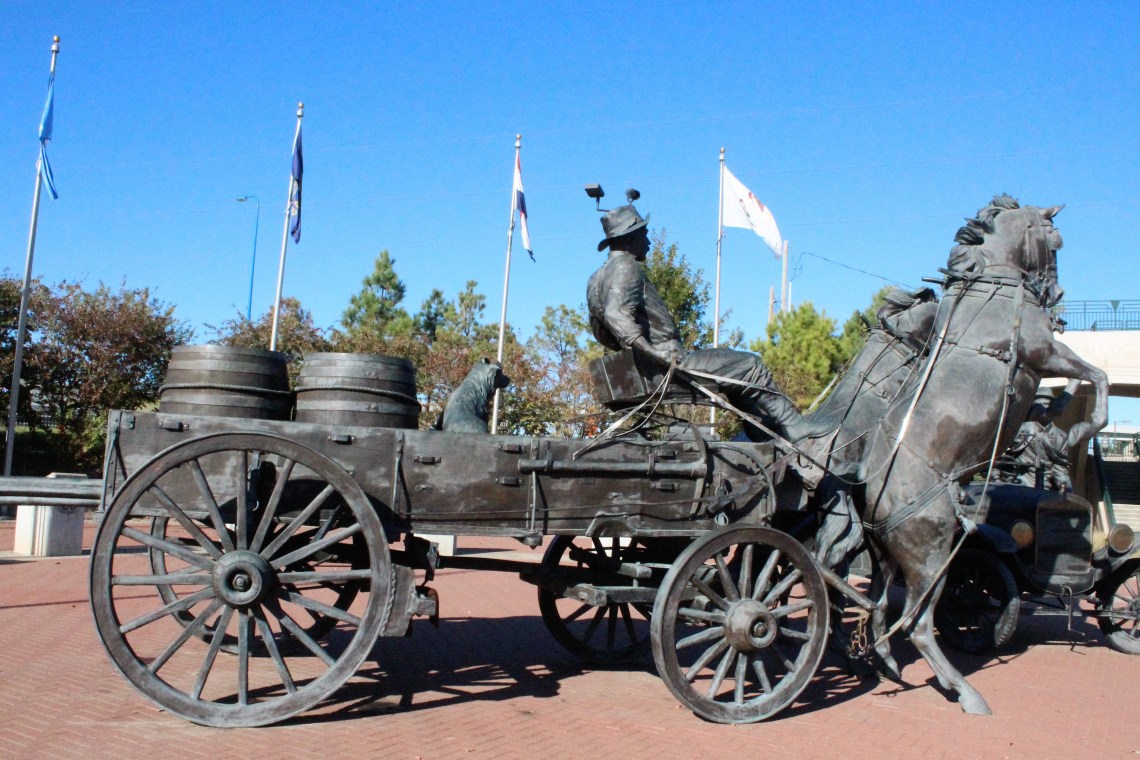
Next to the bridge is the Cyrus Avery Centennial Plaza, where “East Meets West,” a bronze sculpture by Robert Summers, greets visitors. The sculpture is of Avery stopping his car on the 11th Street Bridge, when the motor vehicle frightened two horses in his path.
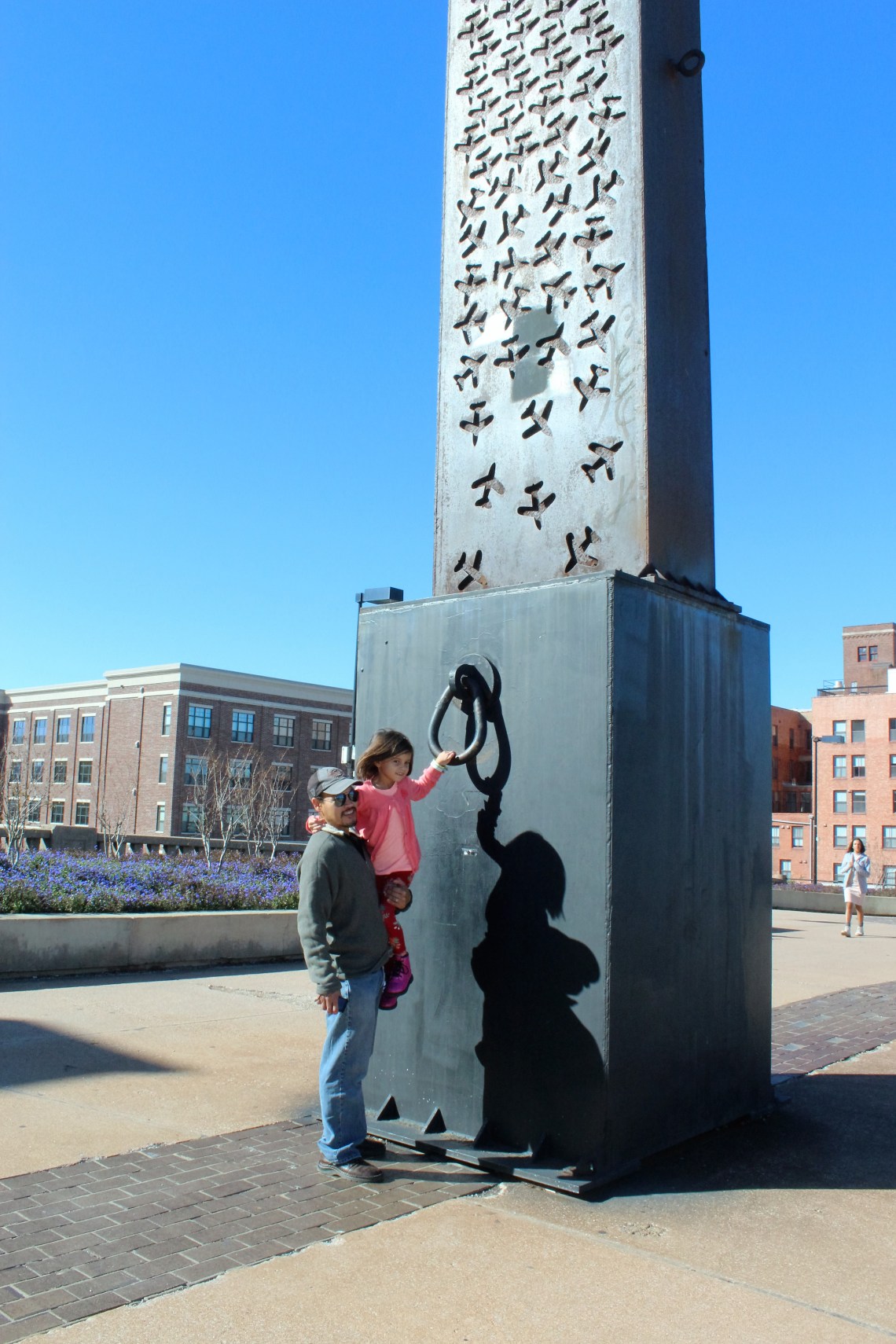
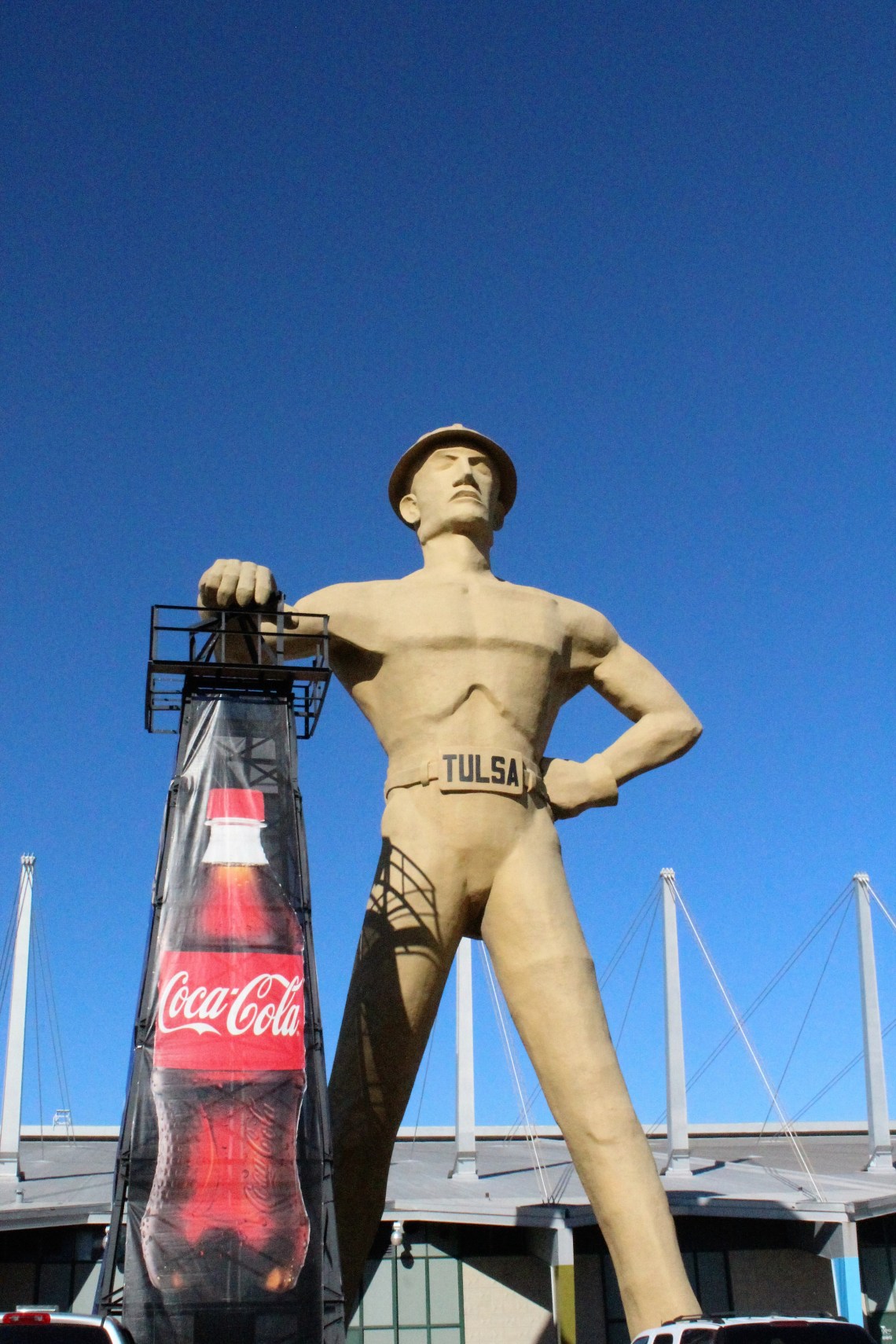
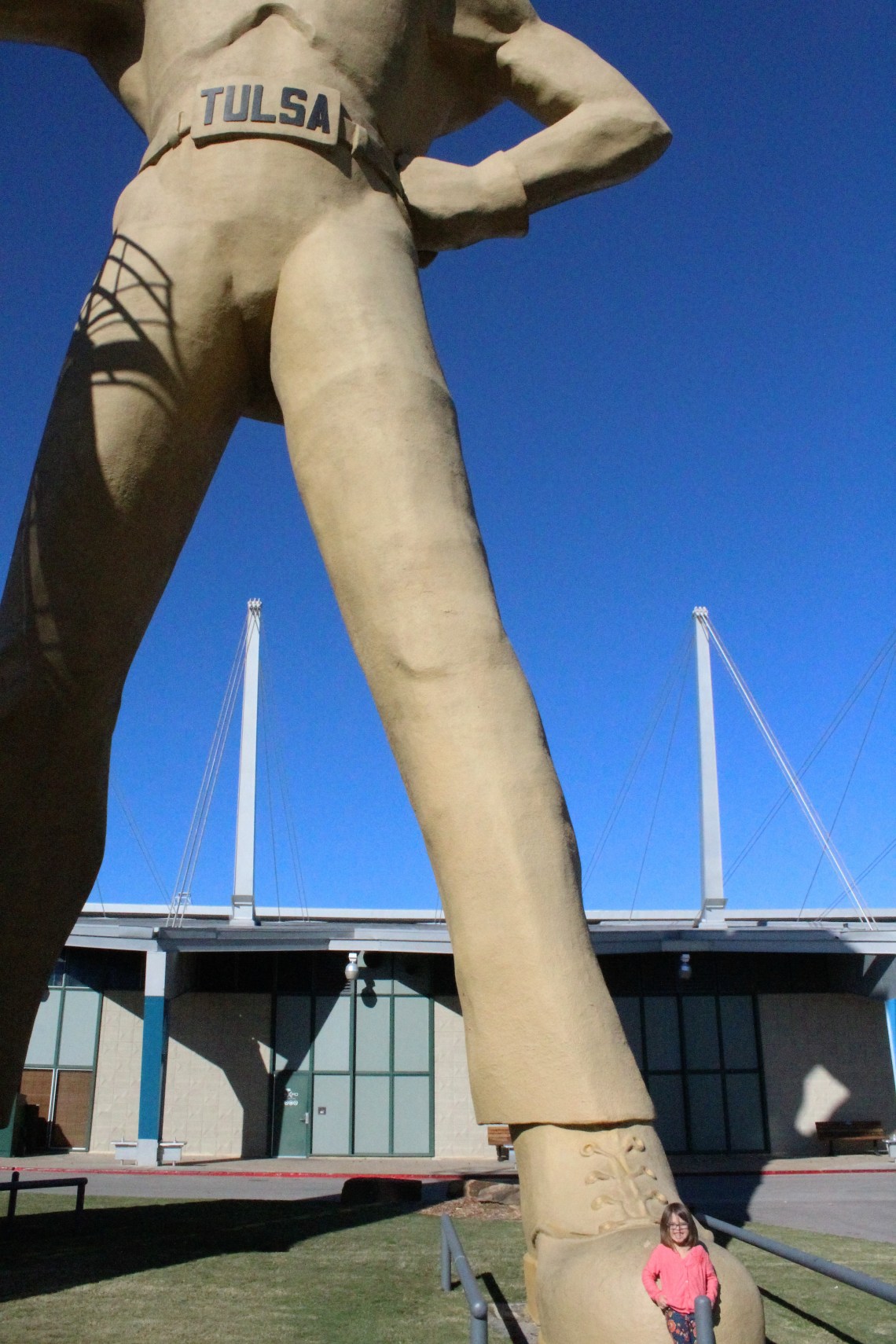
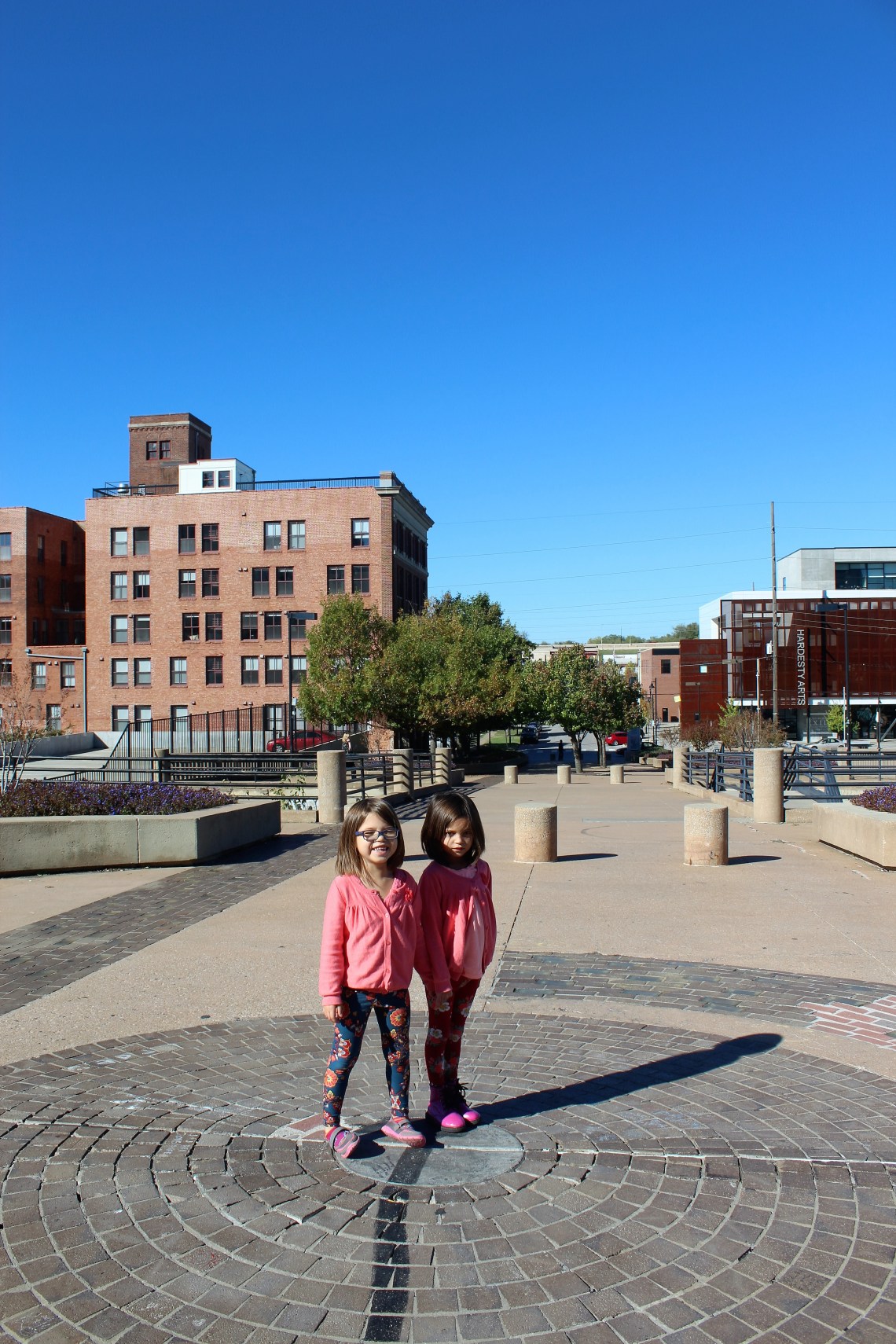
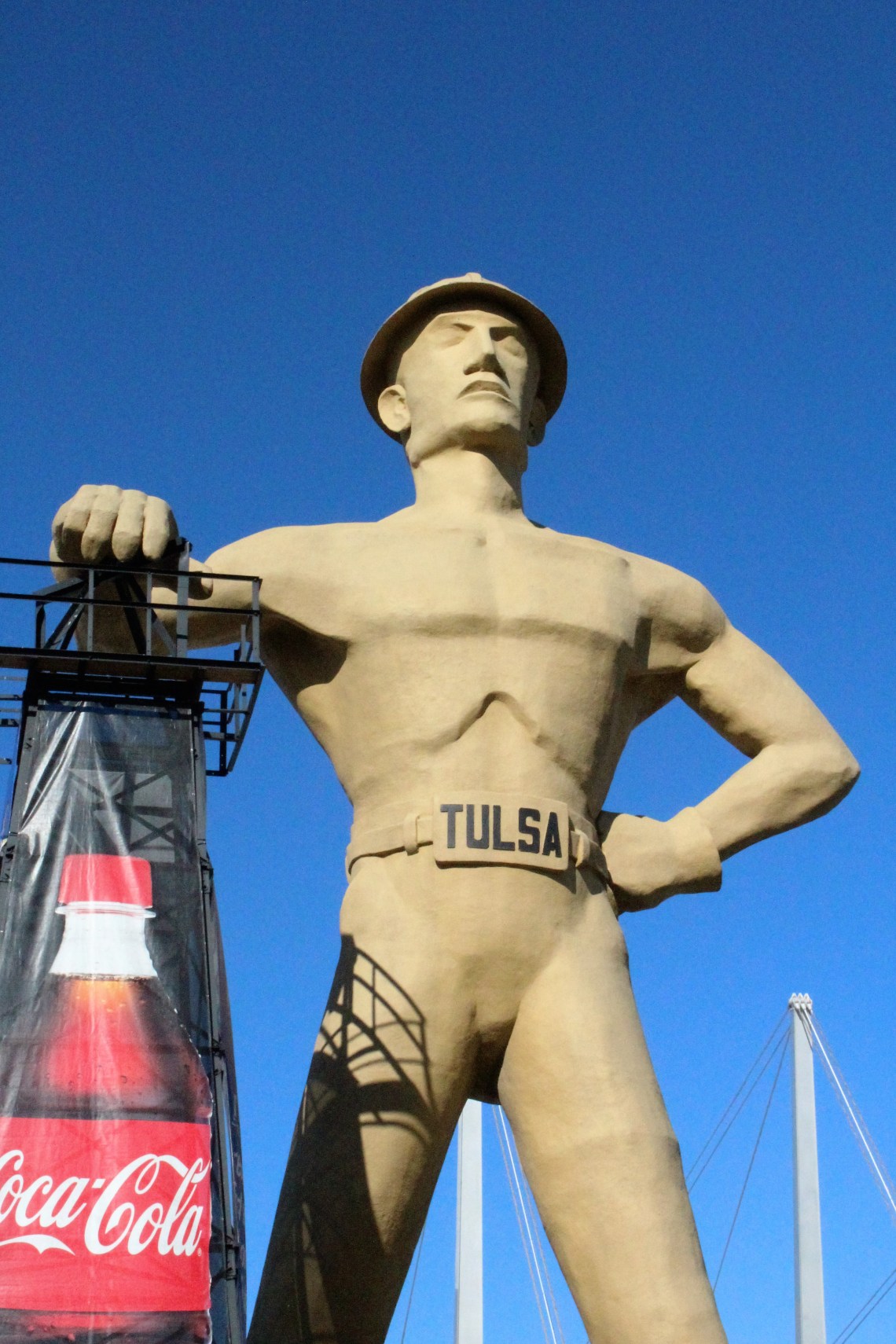
Having quenched our thirst for Route 66 sights, we moved on to check out some other must-sees in Tulsa: The Golden Driller, a 75-foot tall statue of an oil worker that was placed in front of the Tulsa Expo Center for the 1966 International Petroleum Exposition, where it still stands today; and the Center of the Universe, a circle on an old bridge in downtown Tulsa, where one can stand and face in any direction, make a noise, and hear the noise echo back several times louder than it was made (There are some interesting theories on why this occurs, but I’ll leave that for Googling).
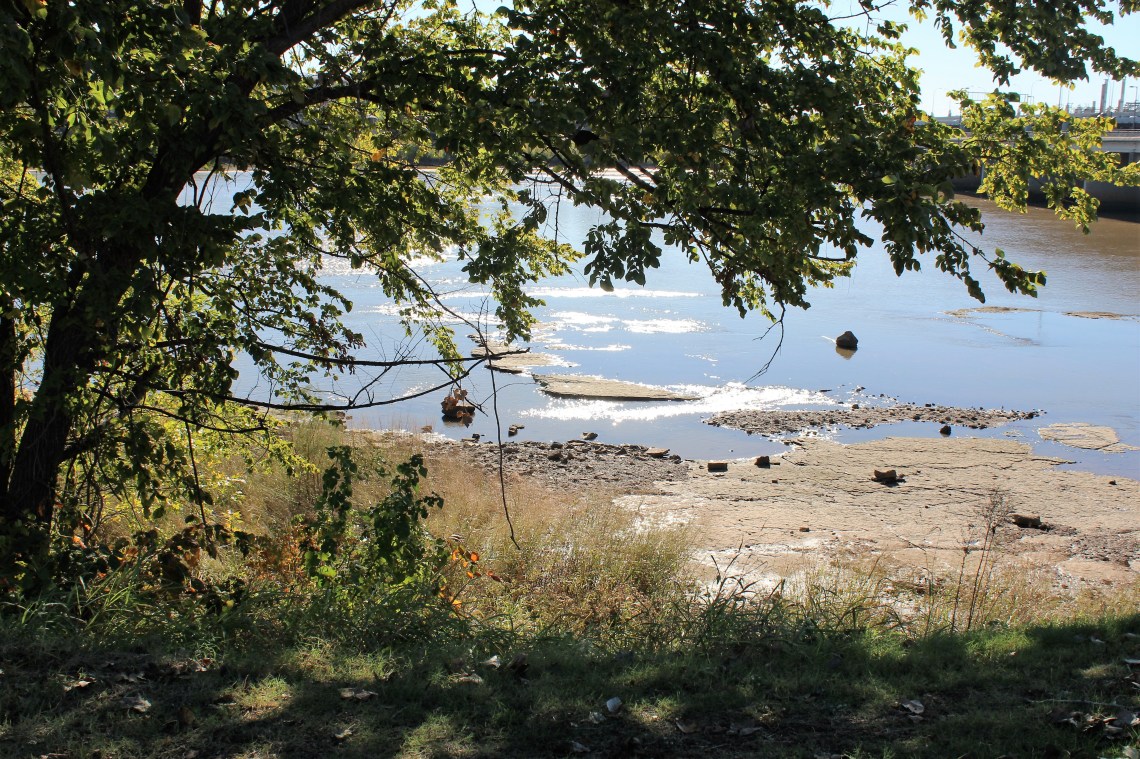
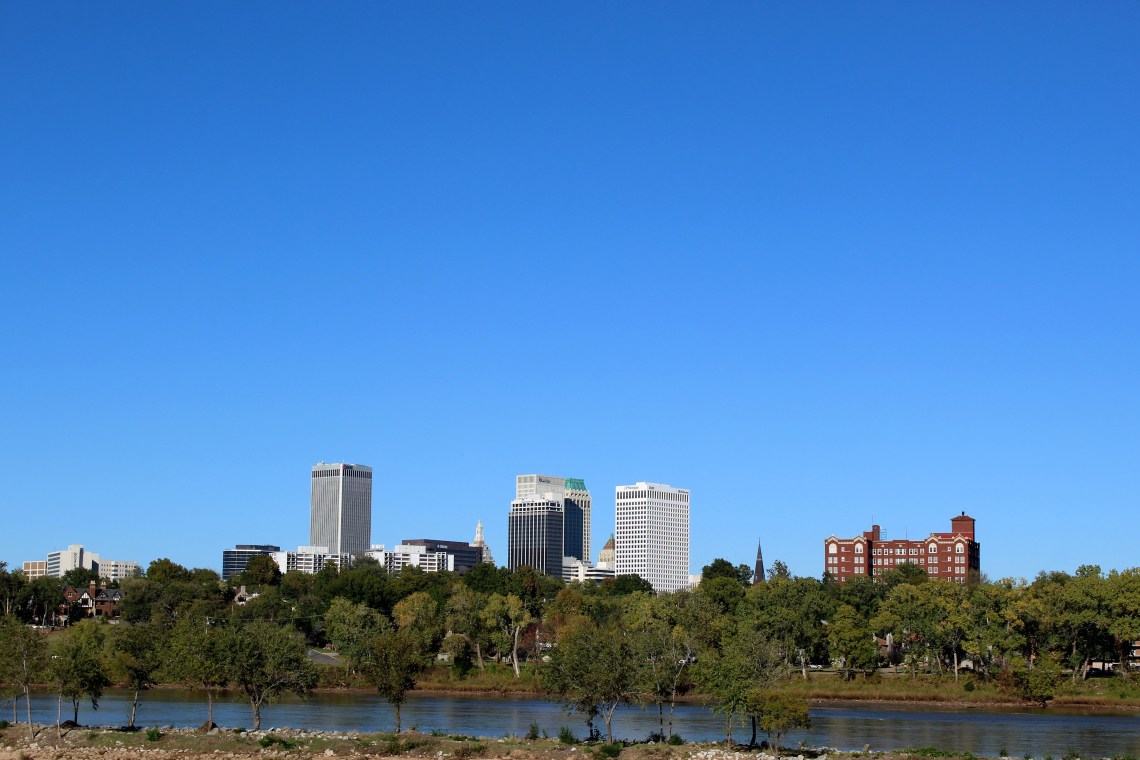
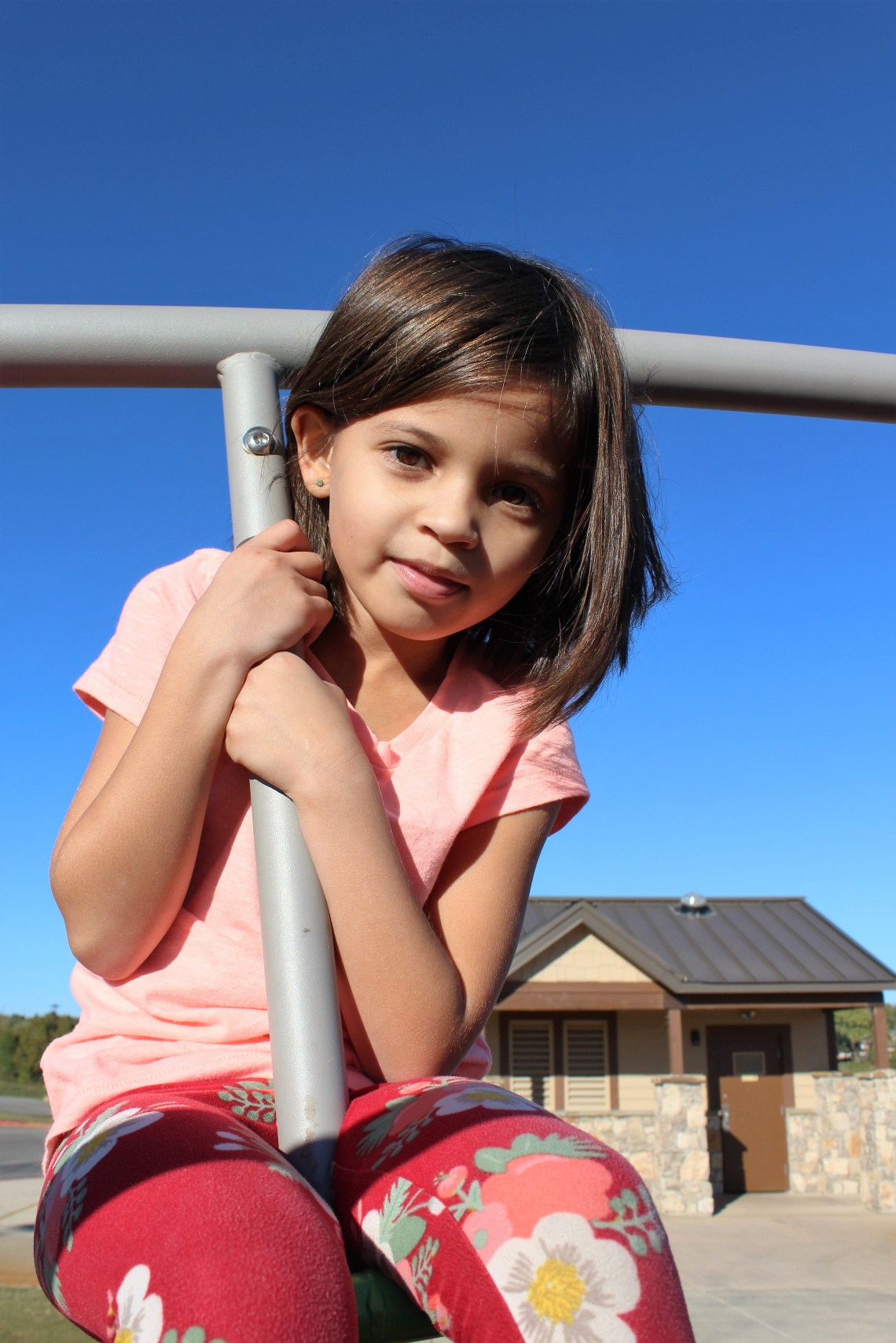
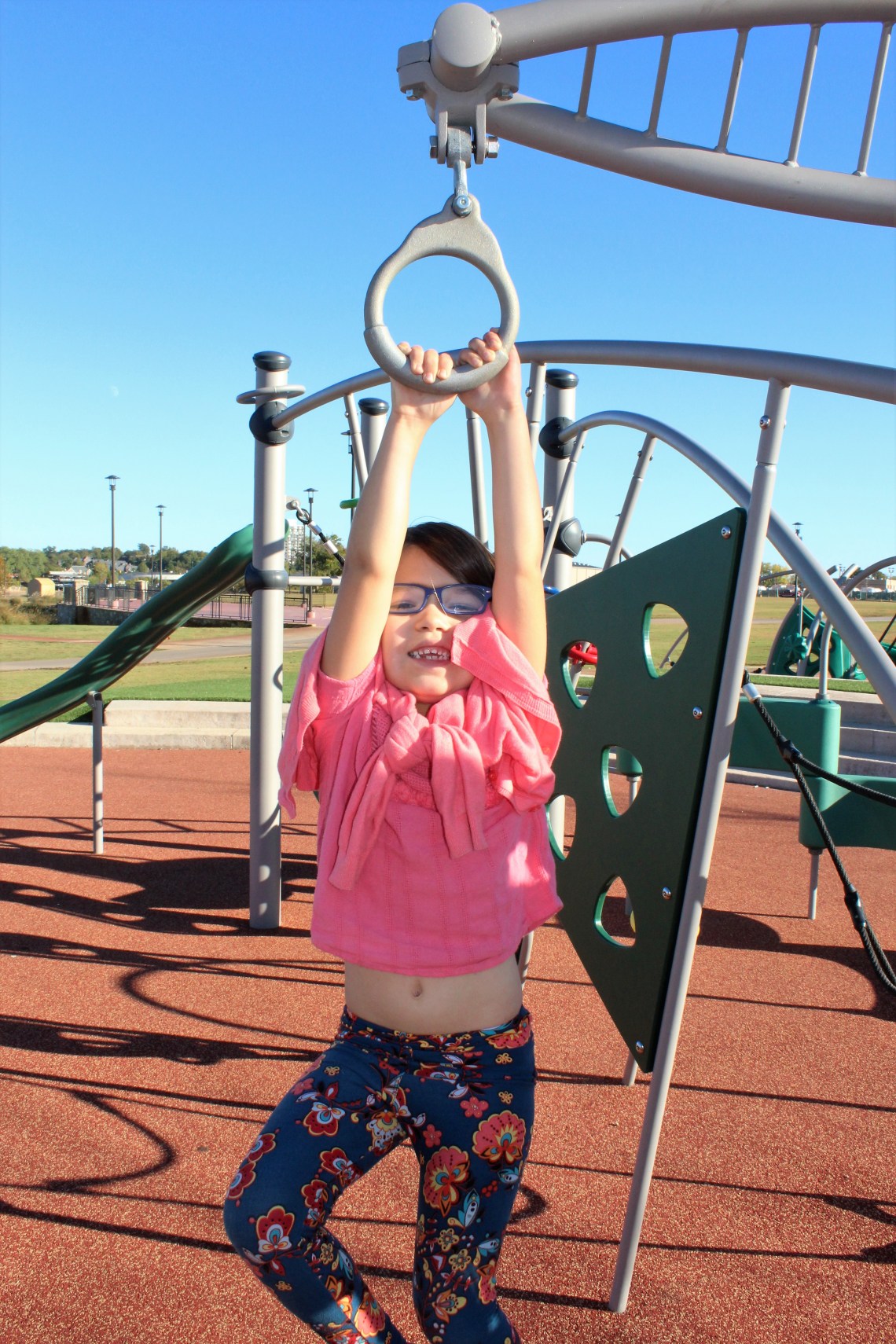
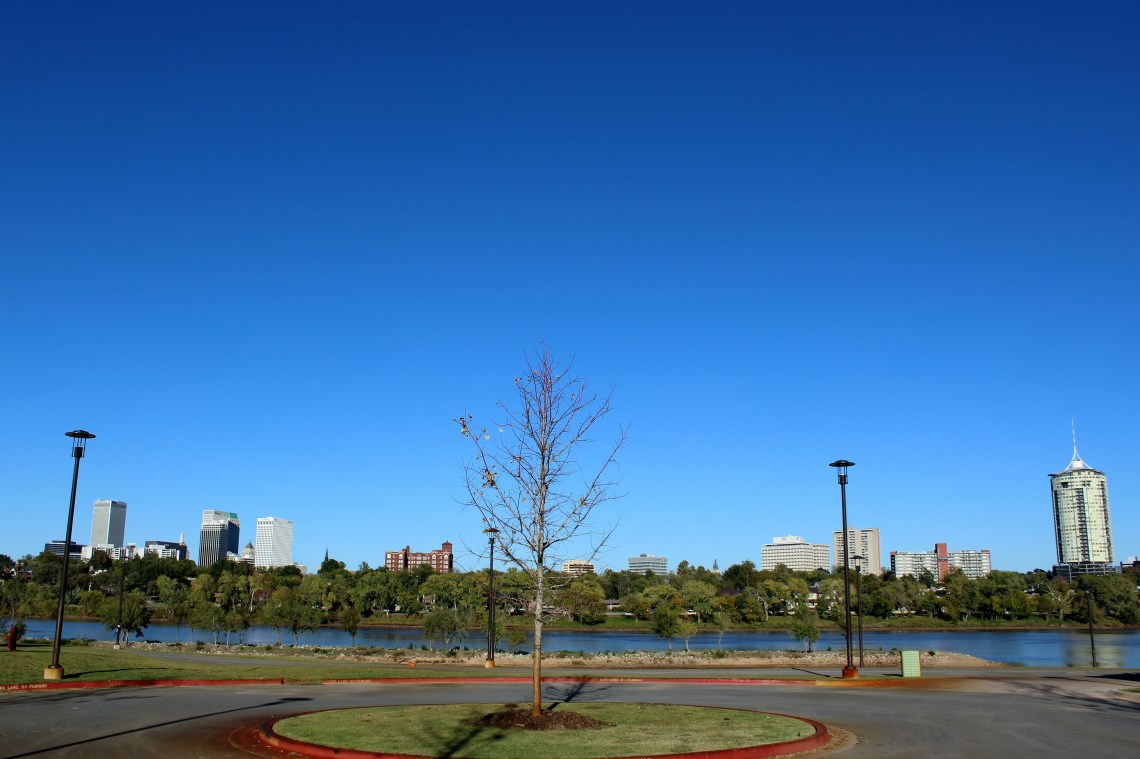
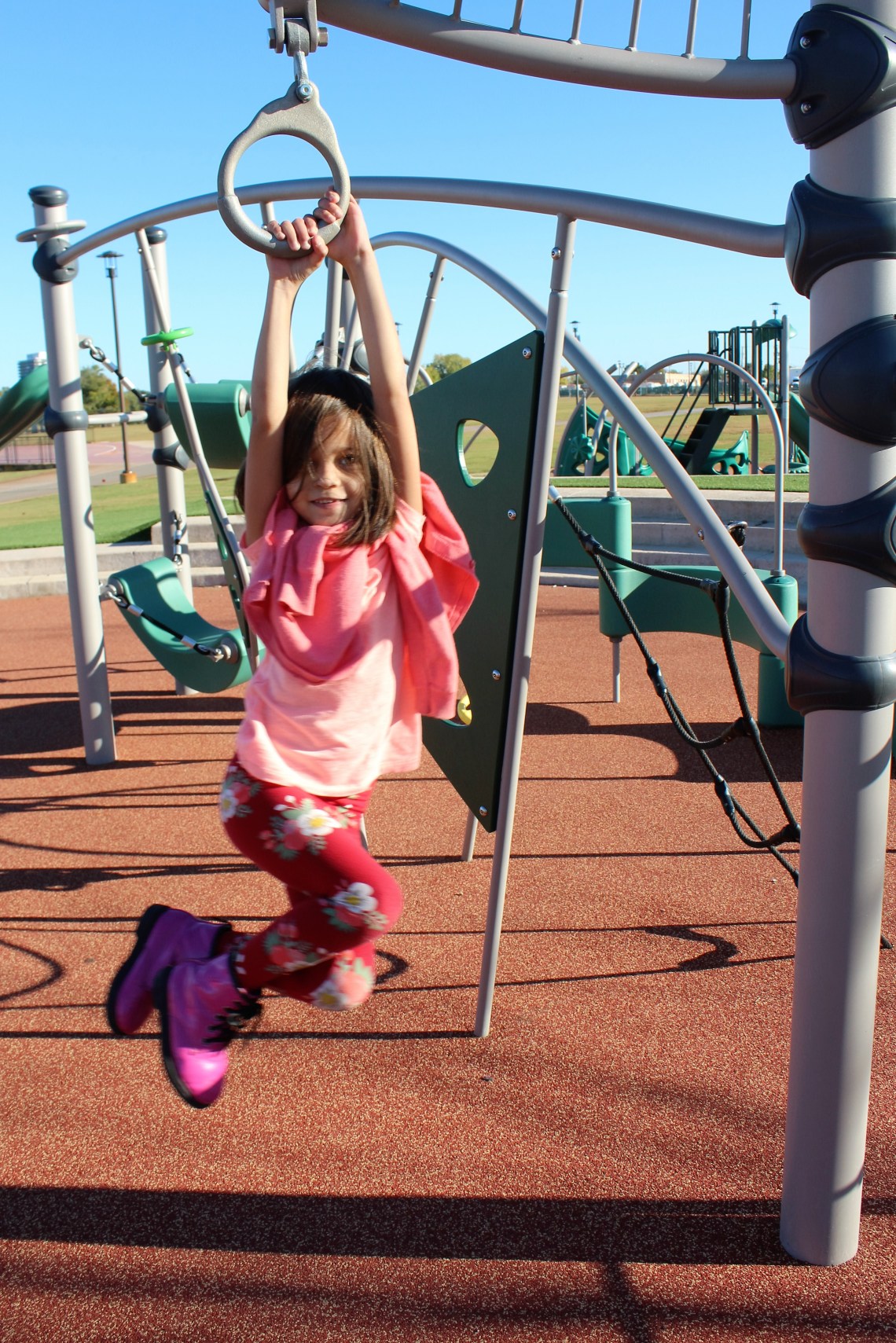
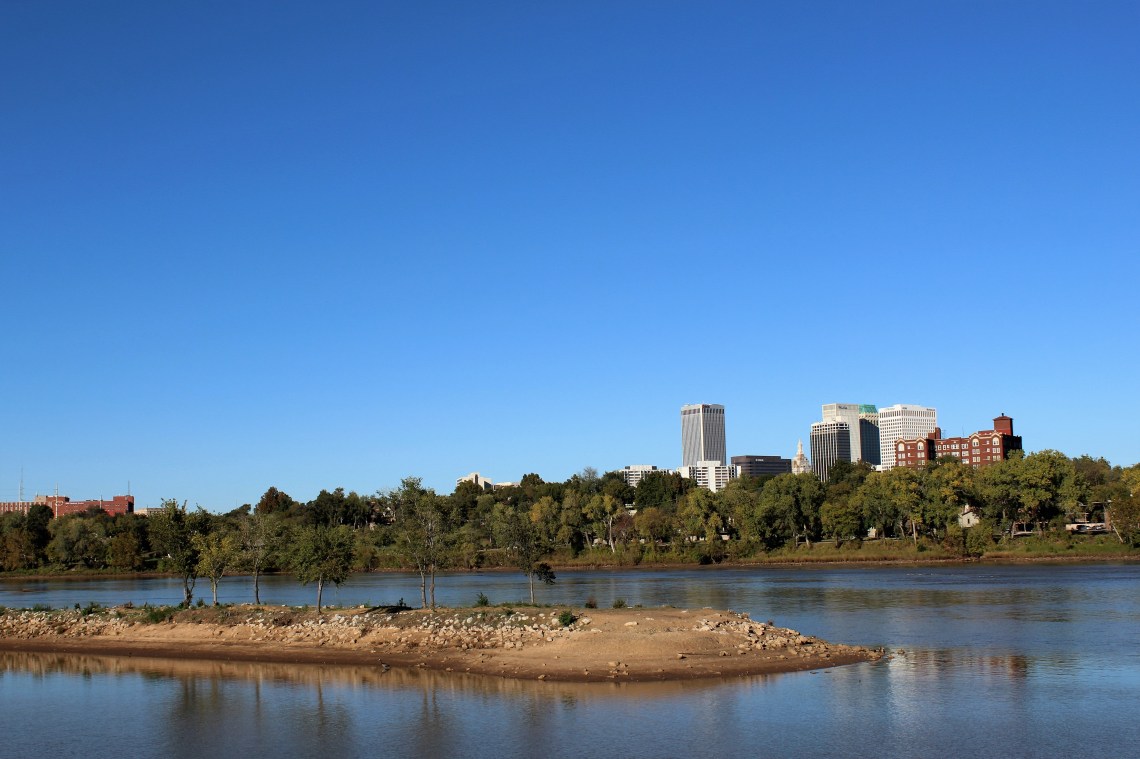
Tulsa also has some great parks for hiking, playing, and just relaxing. We visited two: Turkey Mountain Urban Wilderness Area and River West Festival Park.
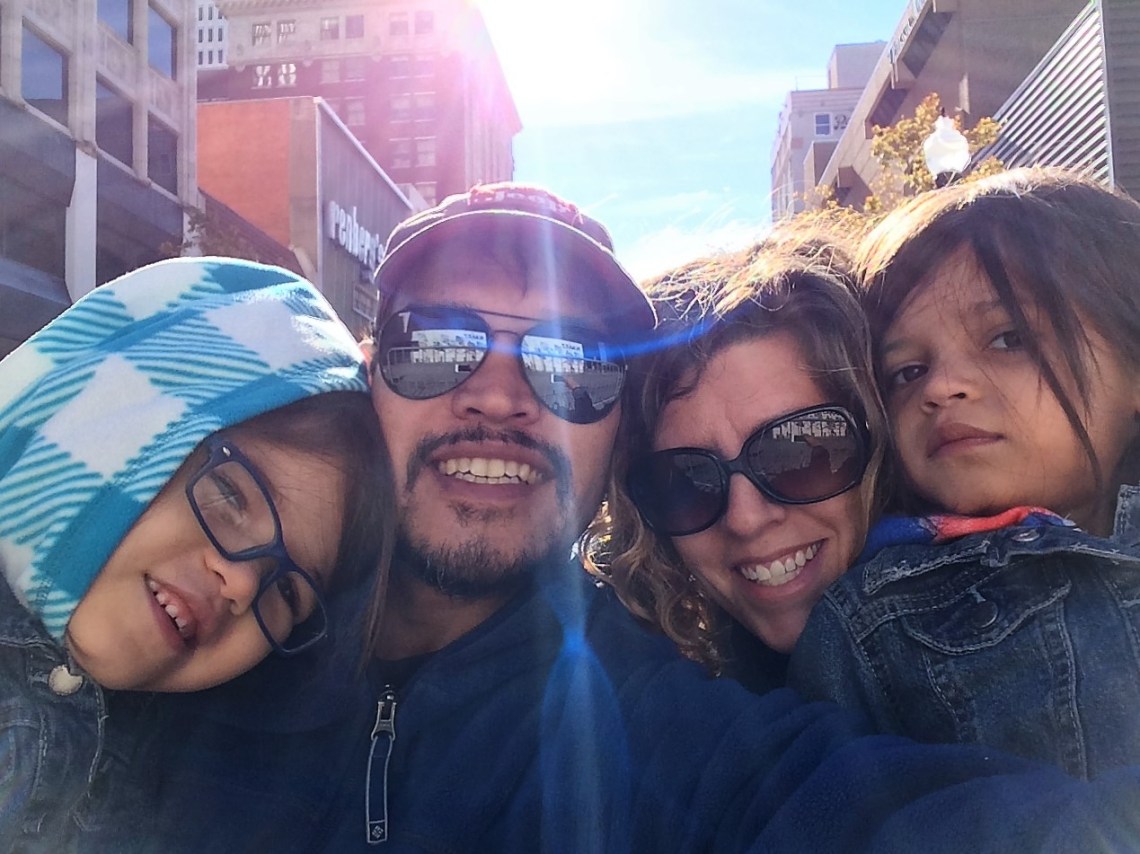
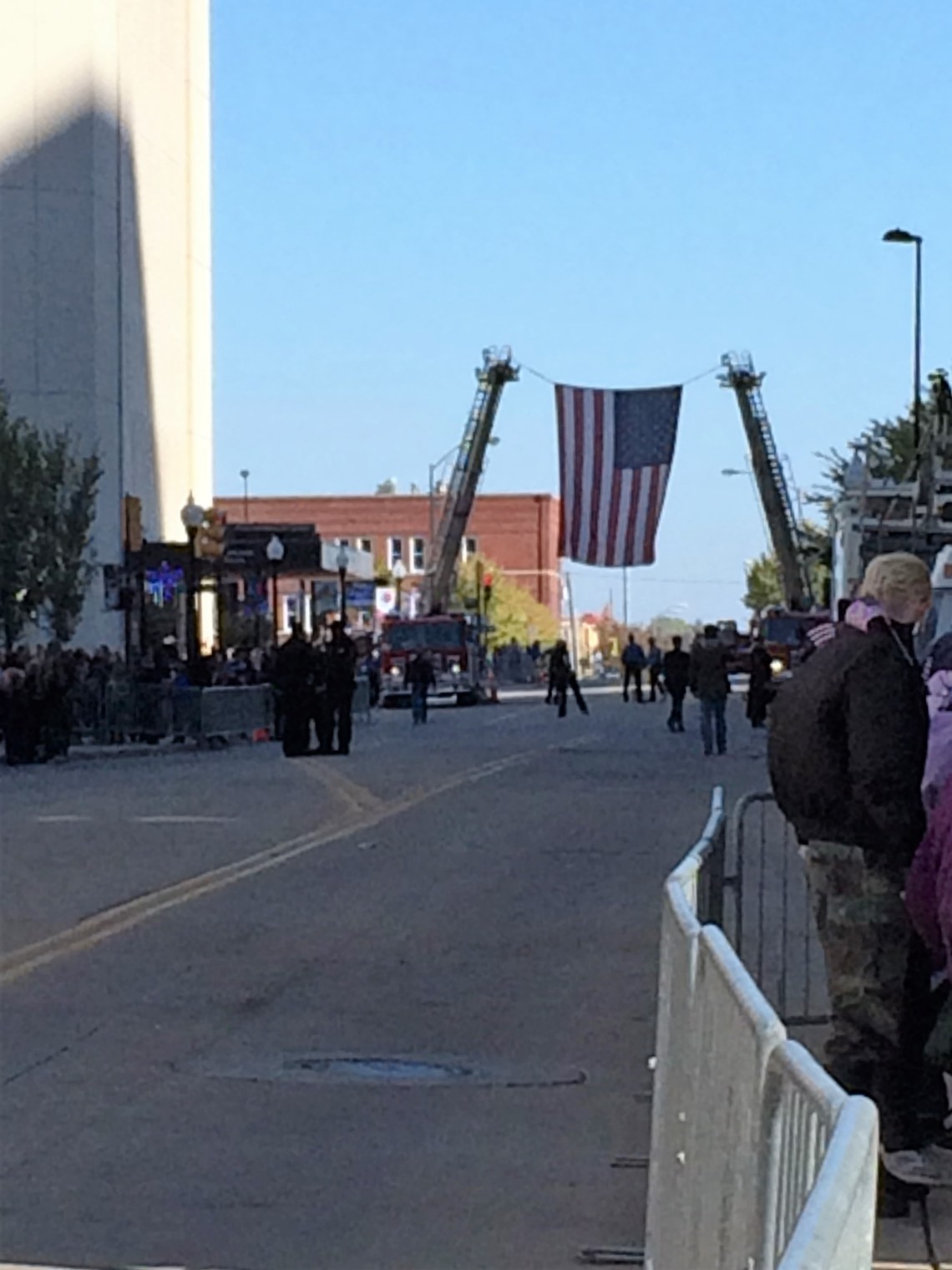
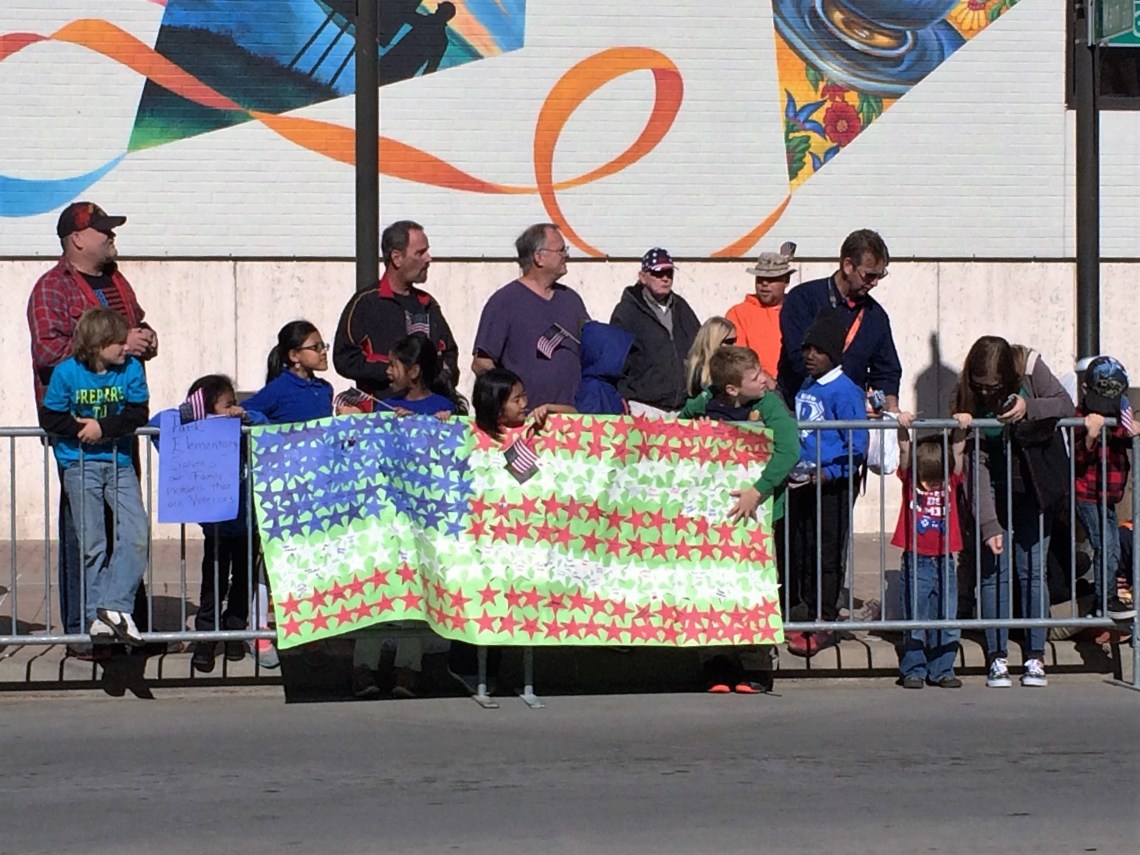
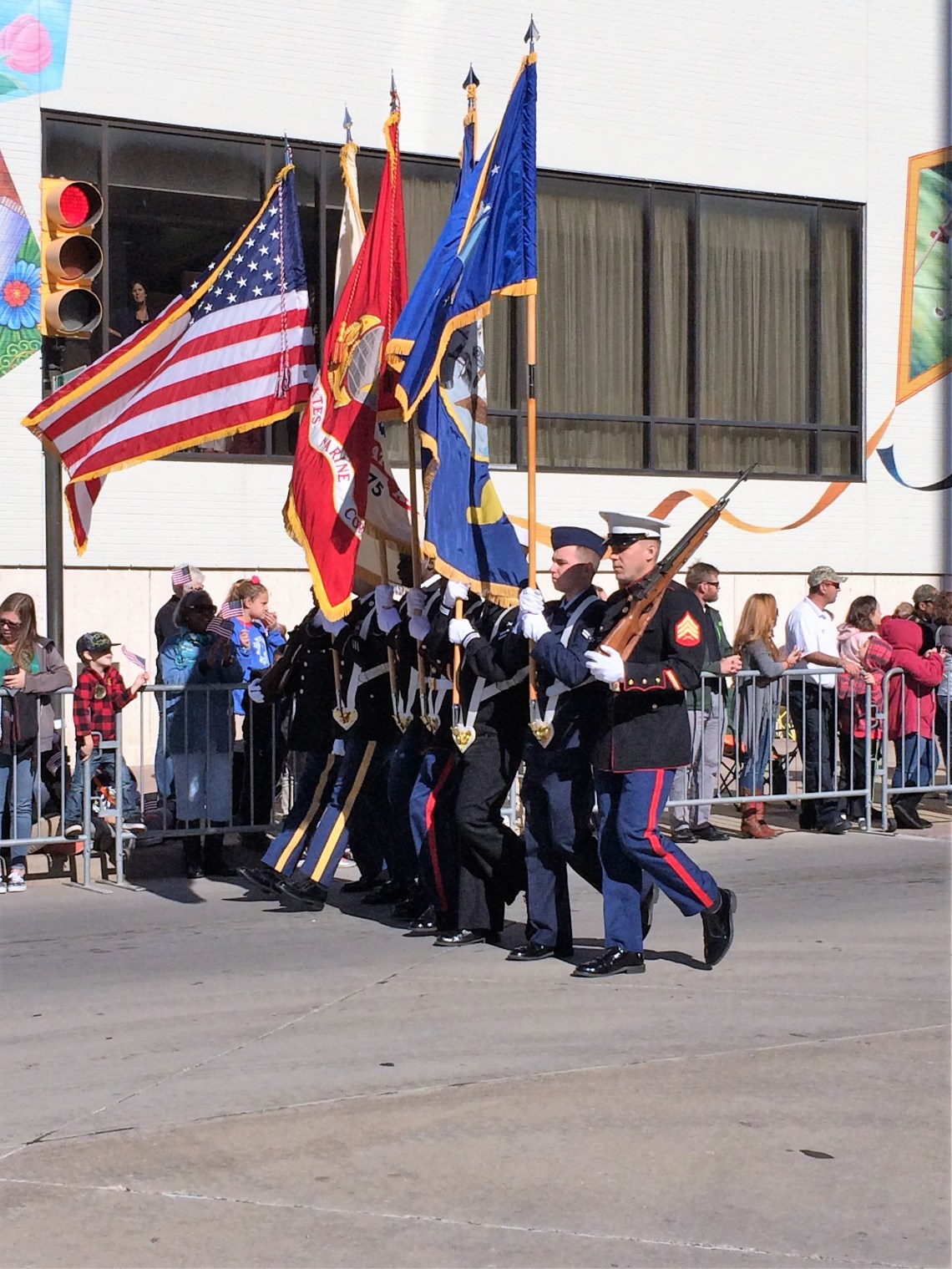
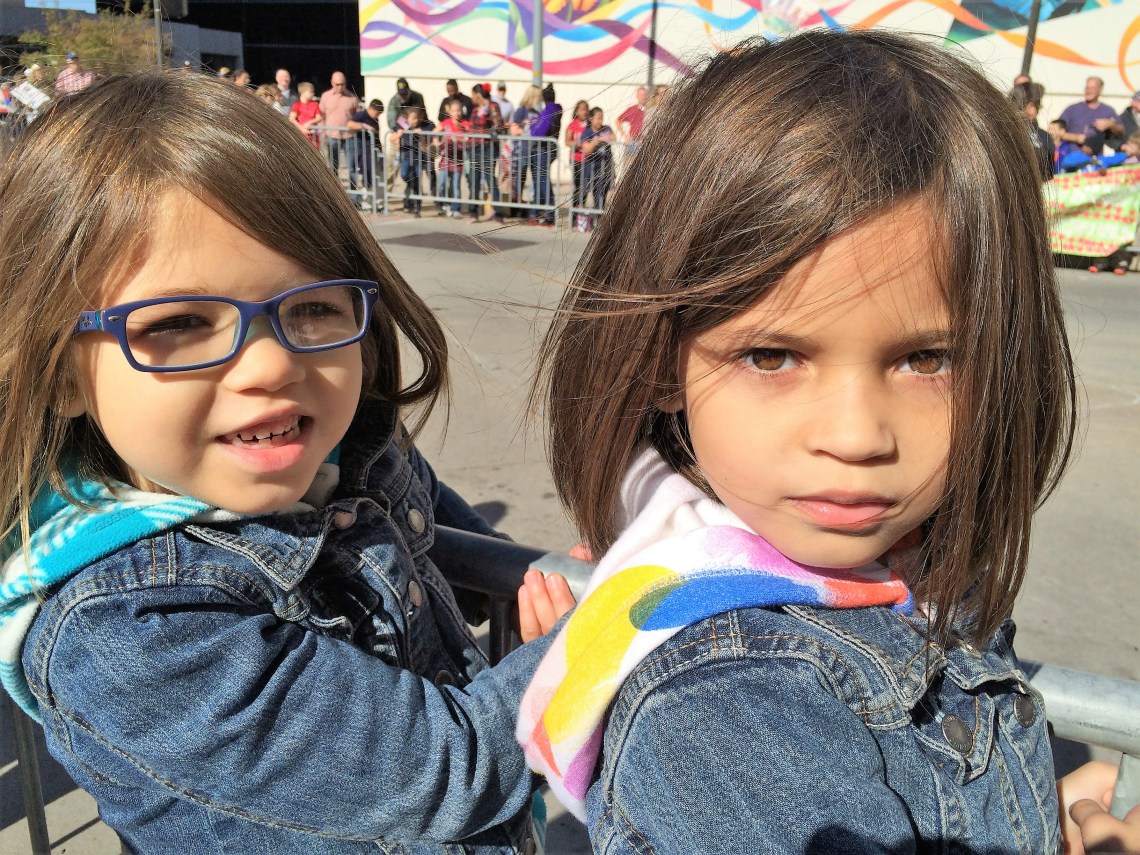
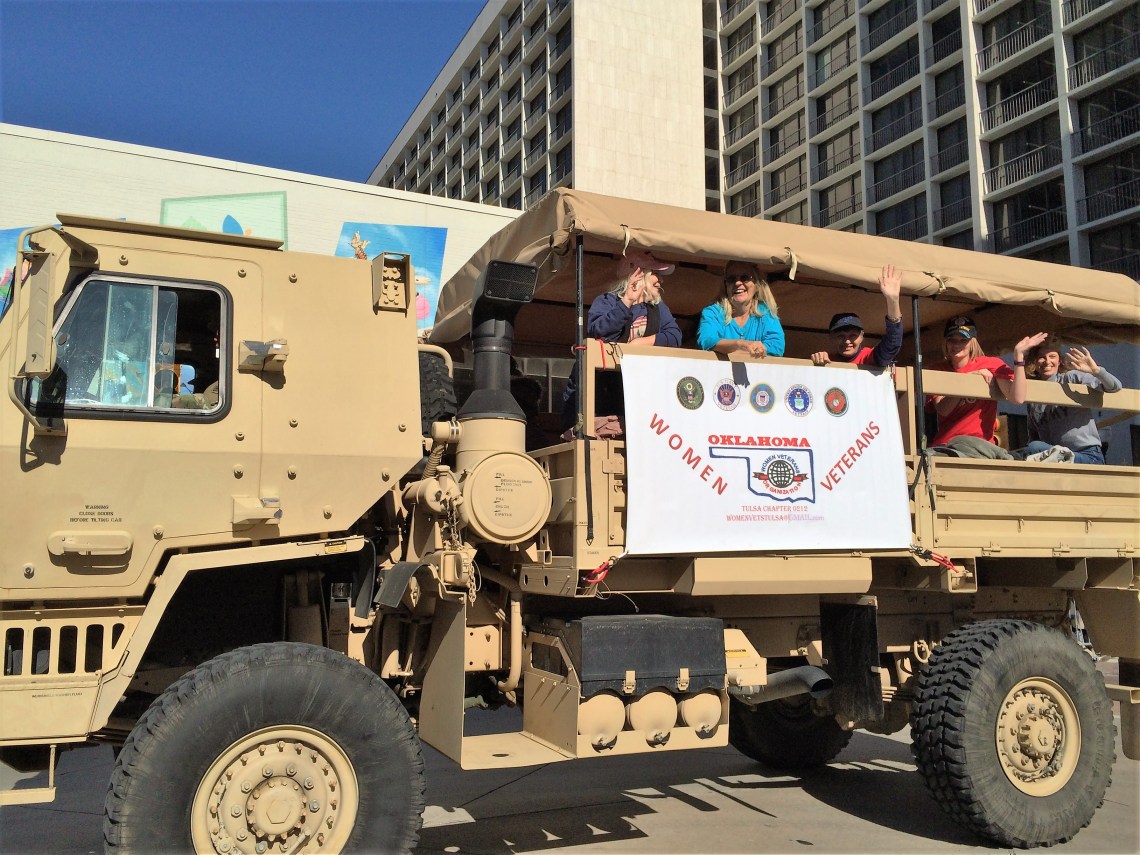
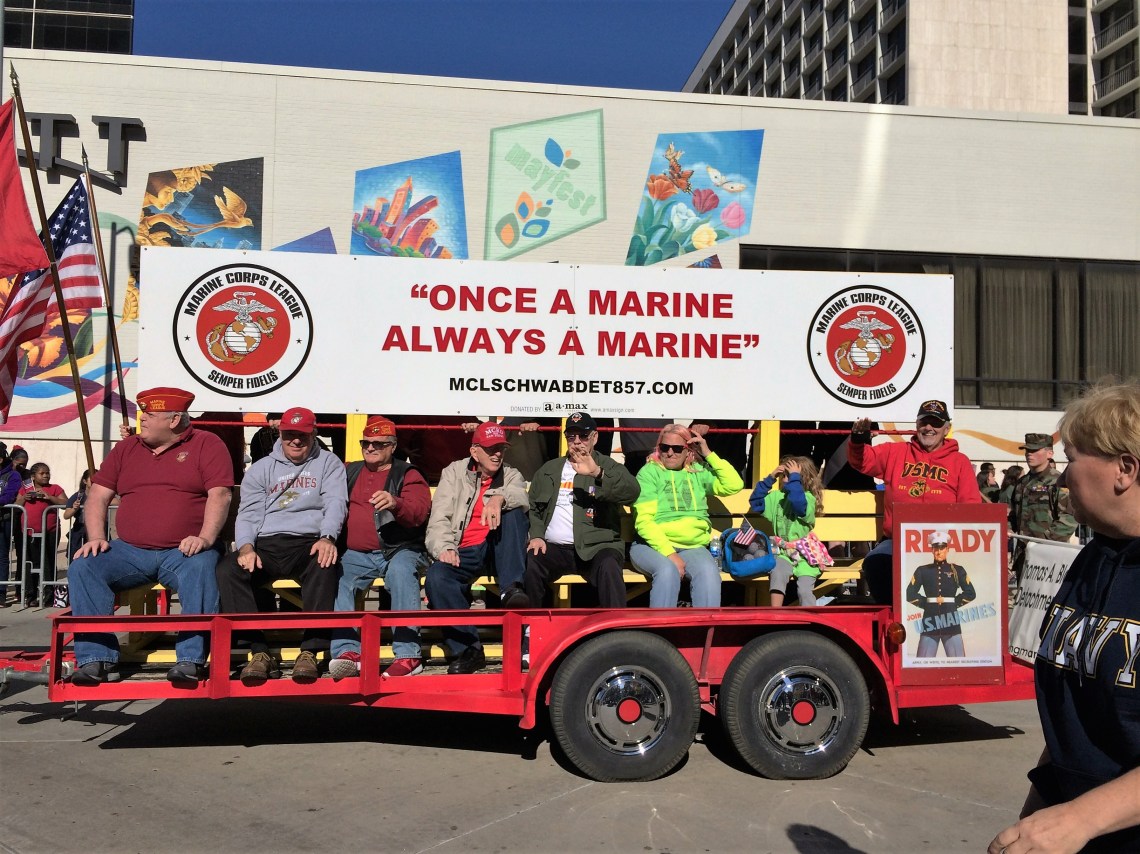
When we found out that Tulsa hosts one of the largest Veterans Day Parades in the country, we decided we had to go. We got there early, found a spot, and enjoyed a front-row seat to watch the over-an-hour-long parade in honor of our nation’s veterans.
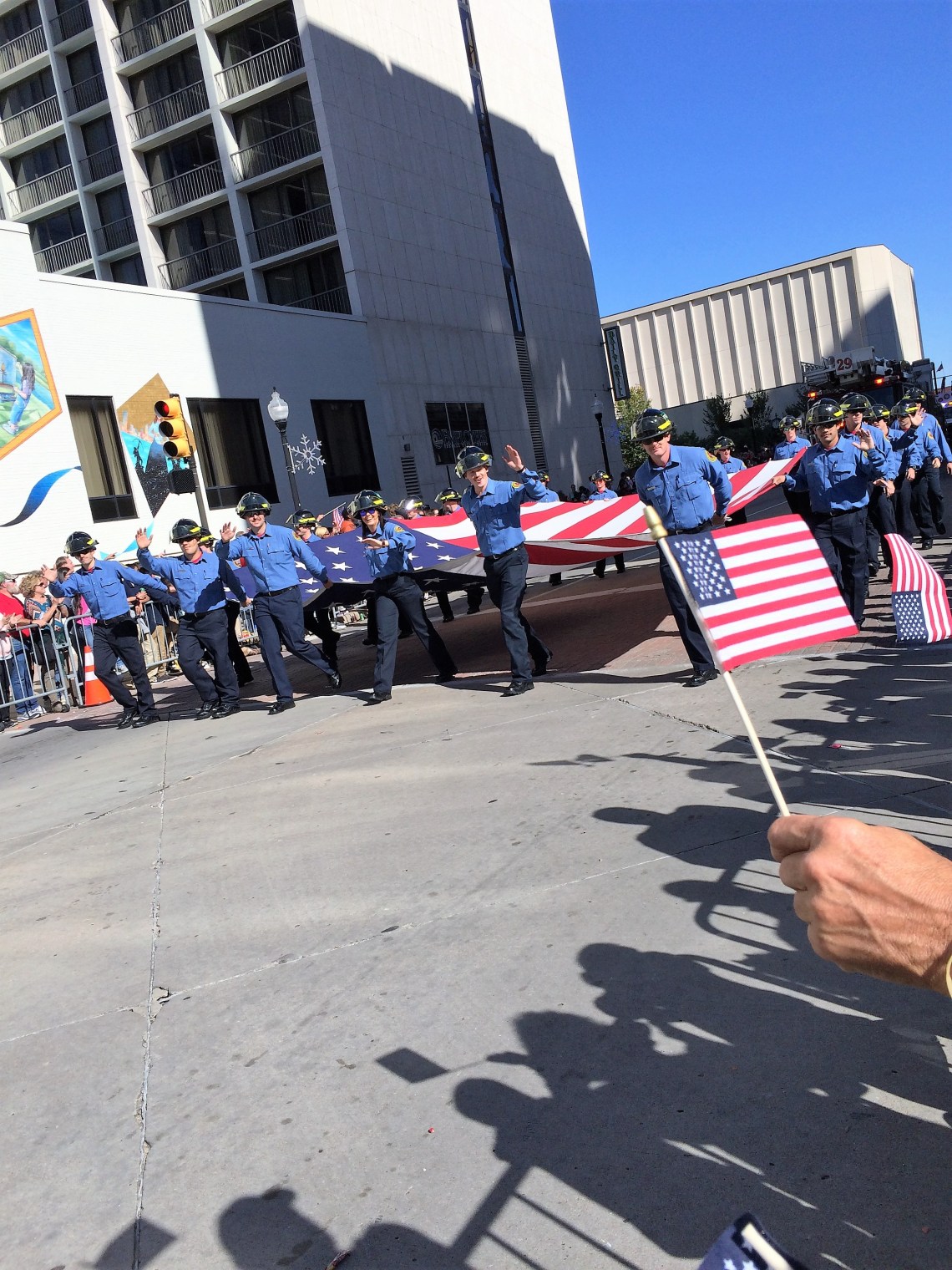
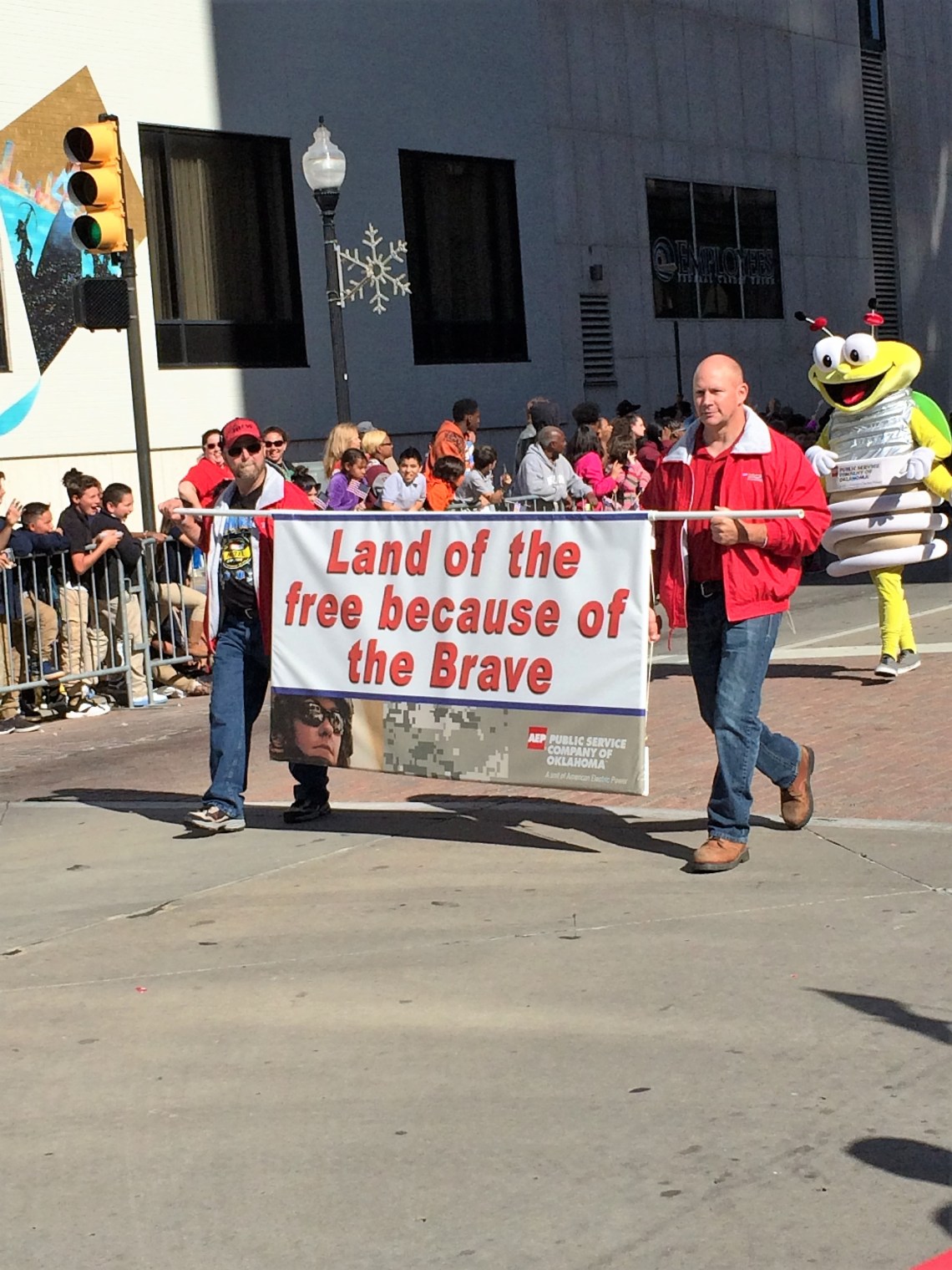
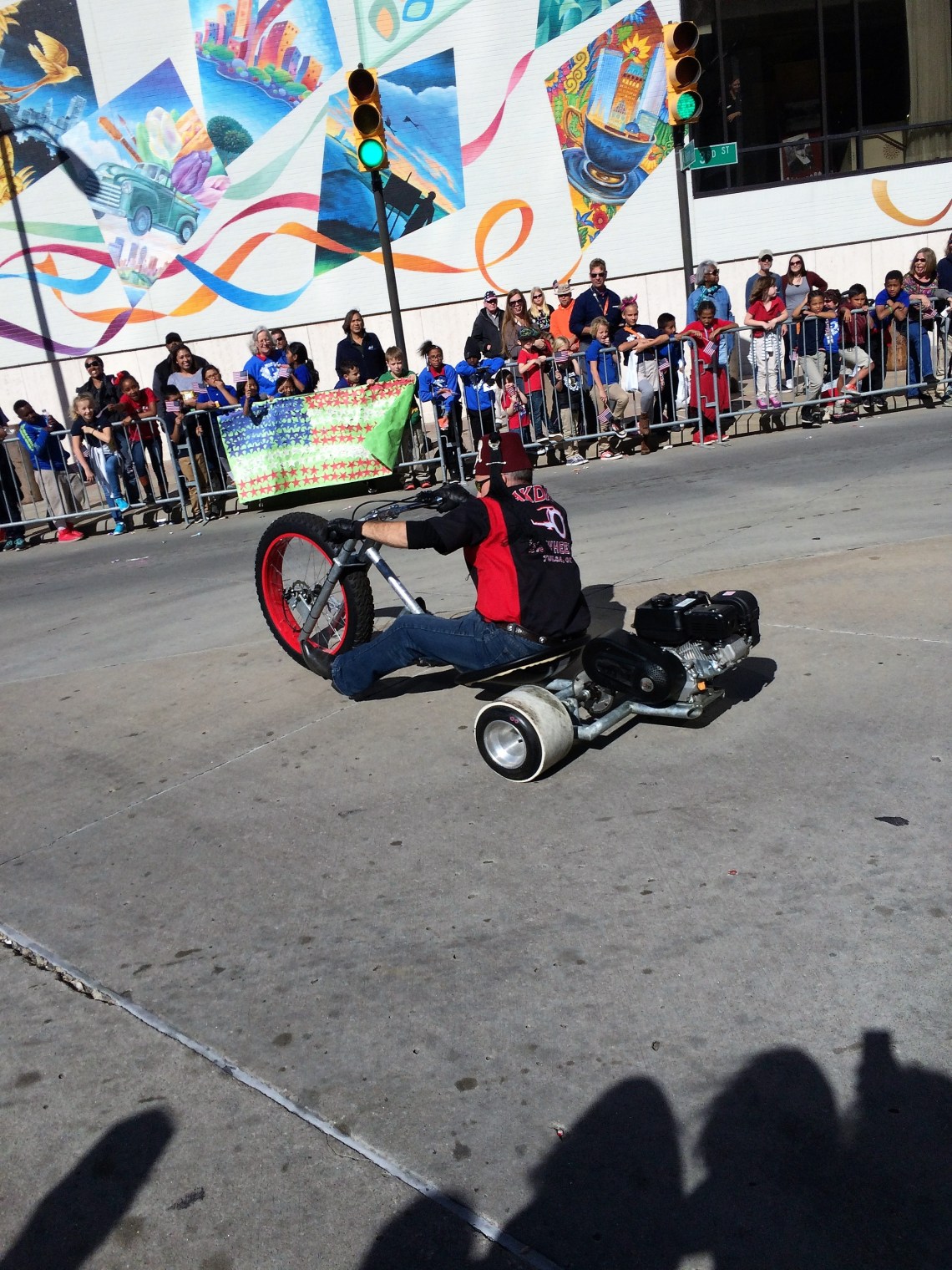
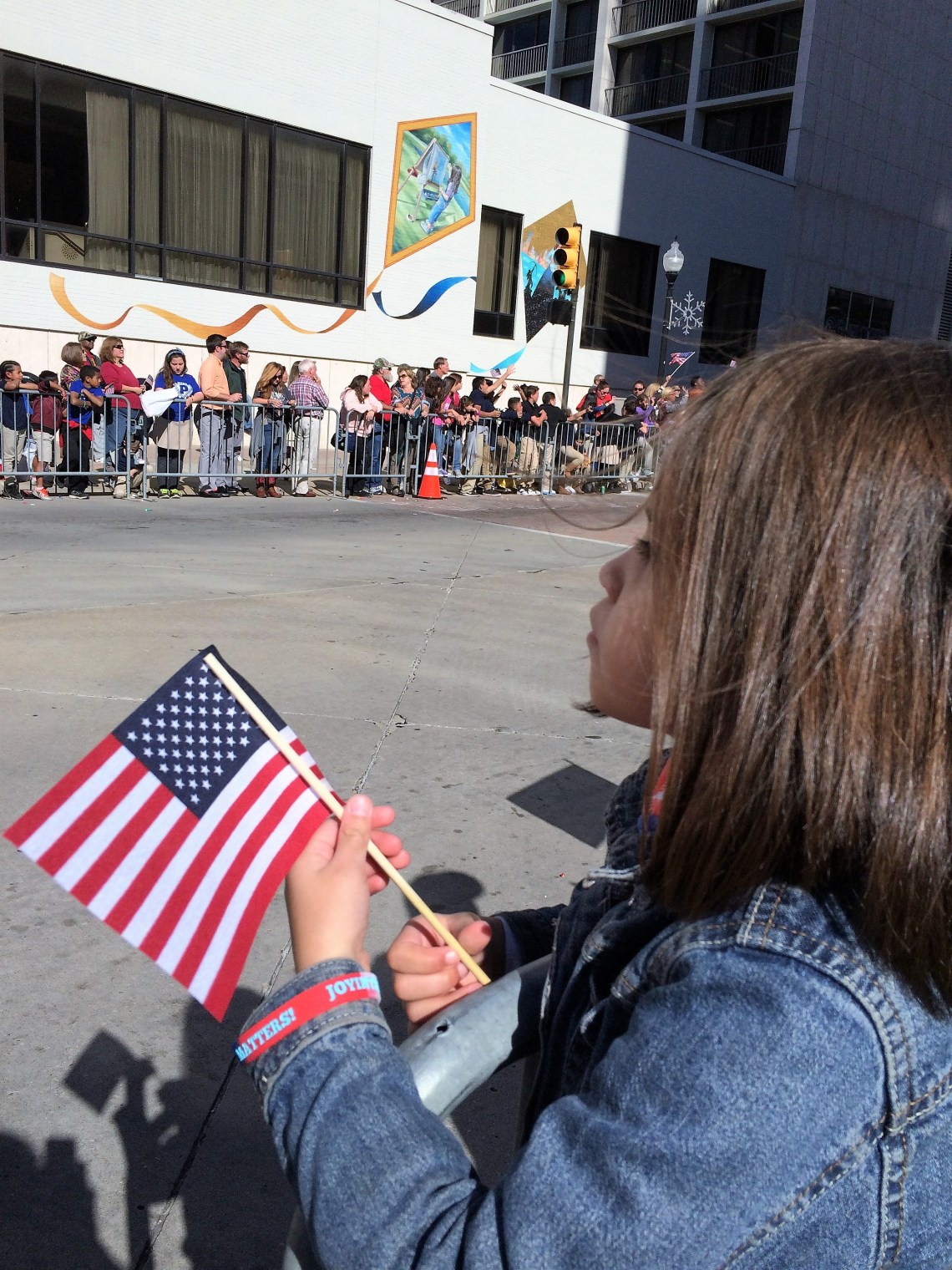
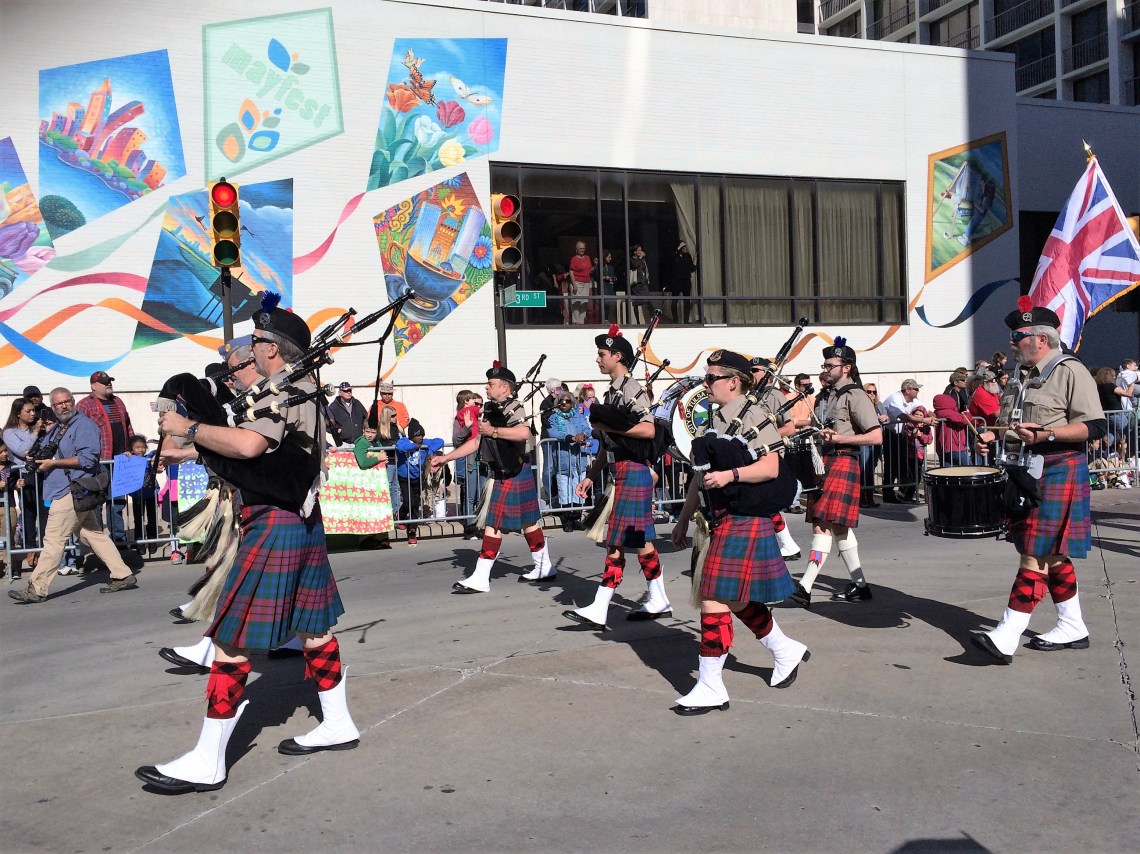
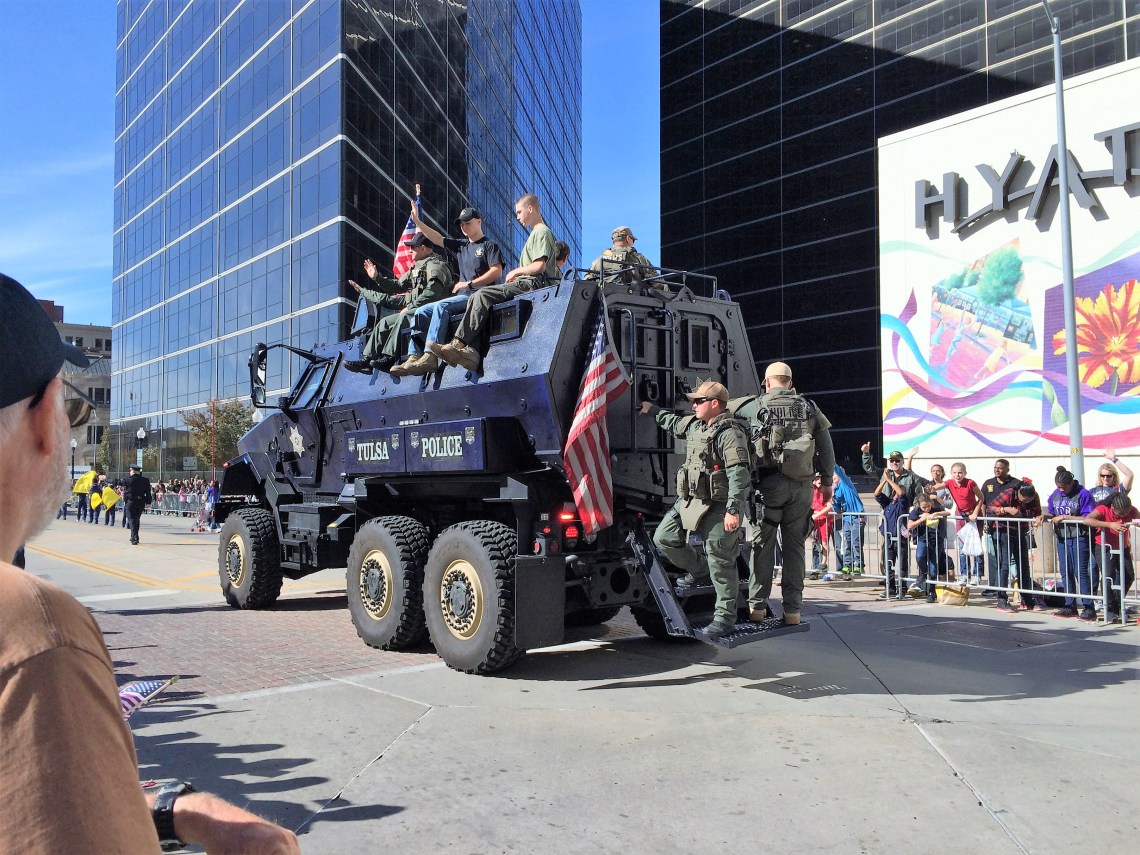
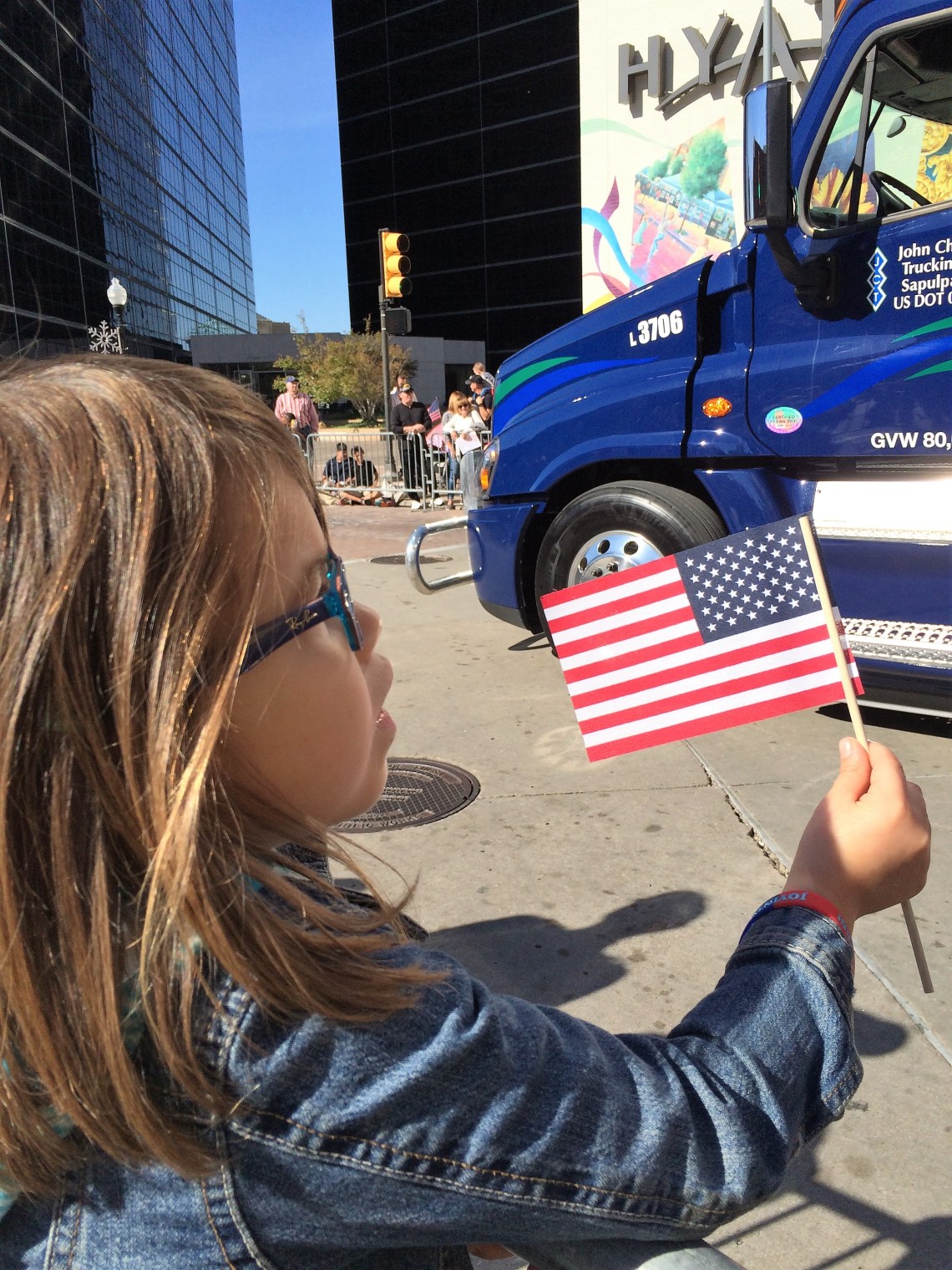
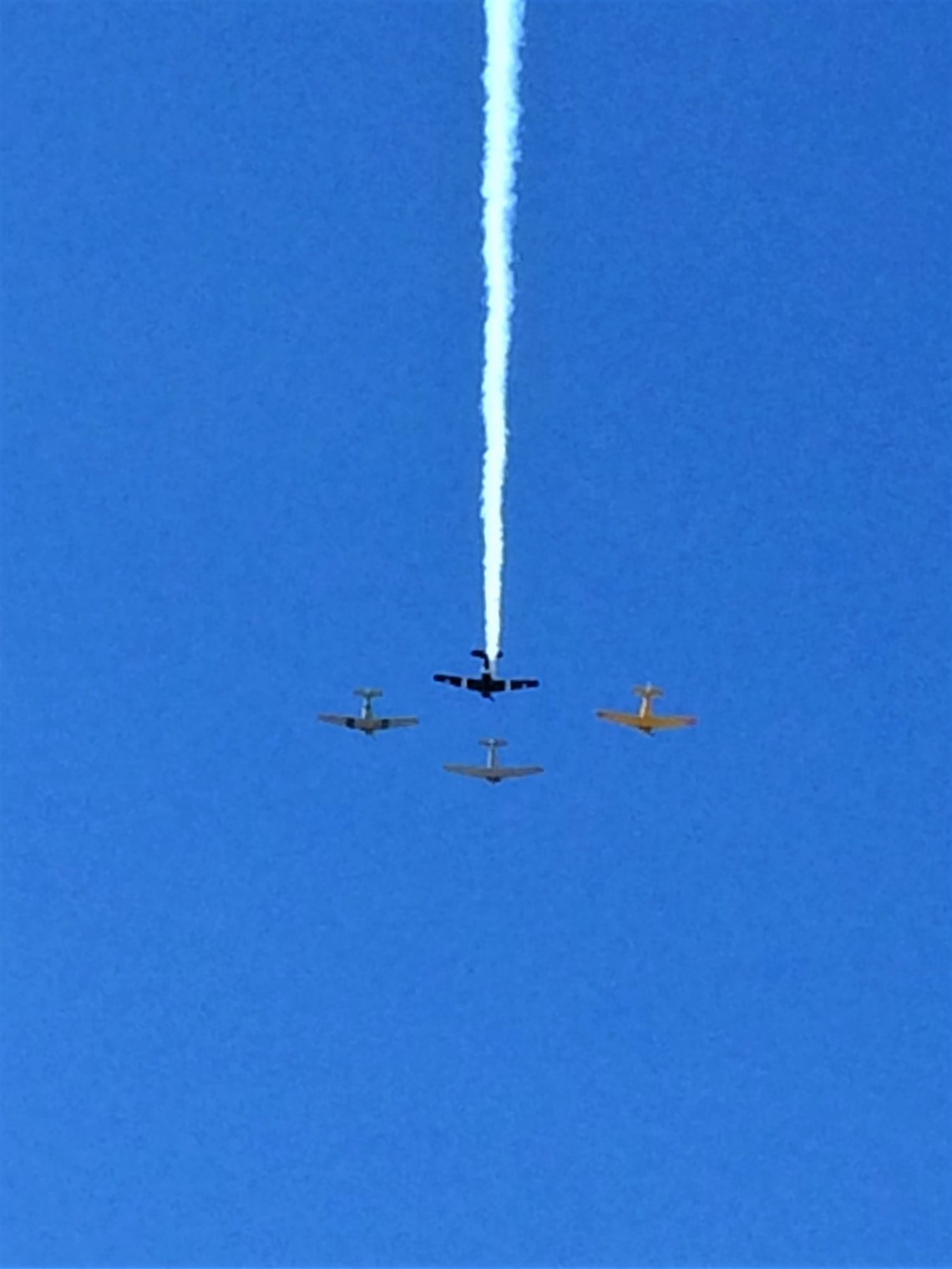
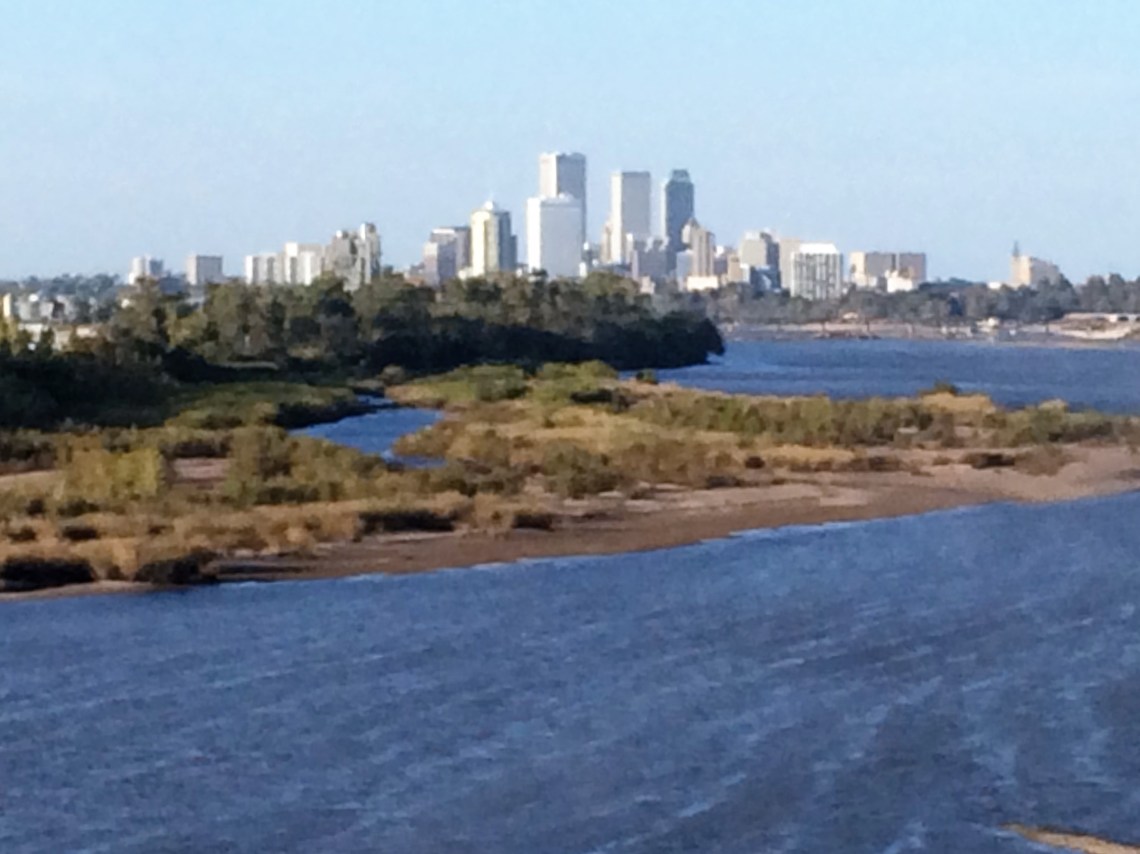
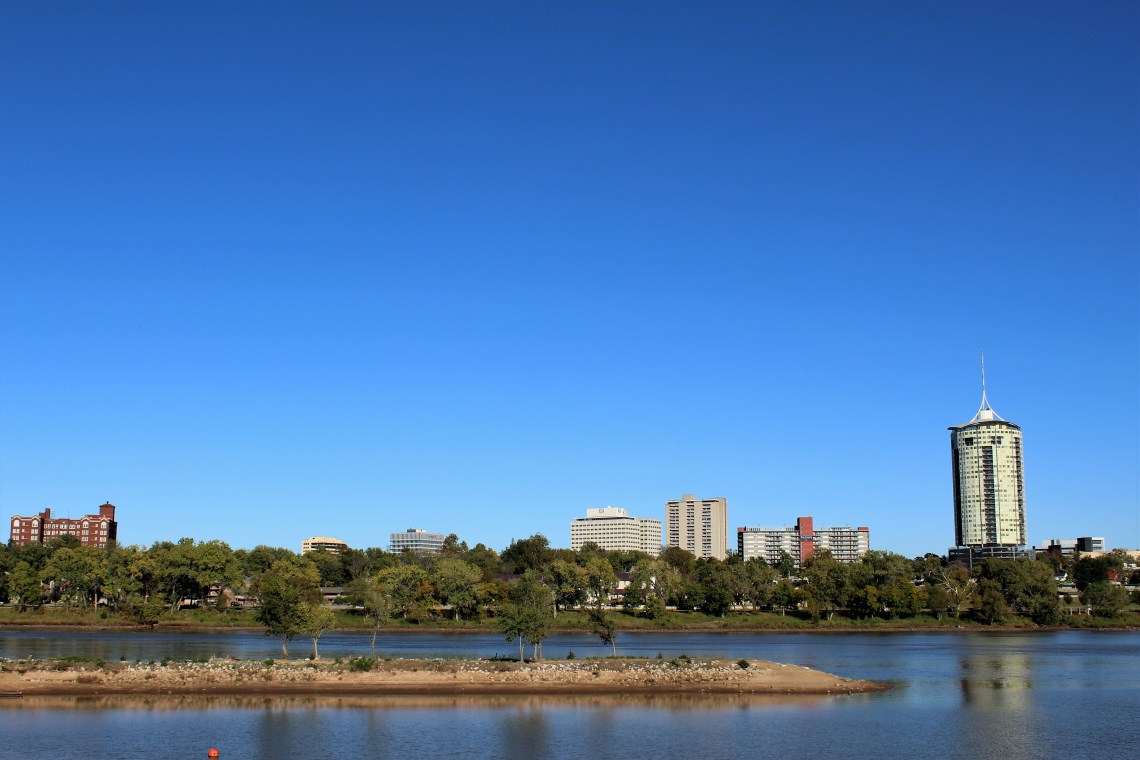
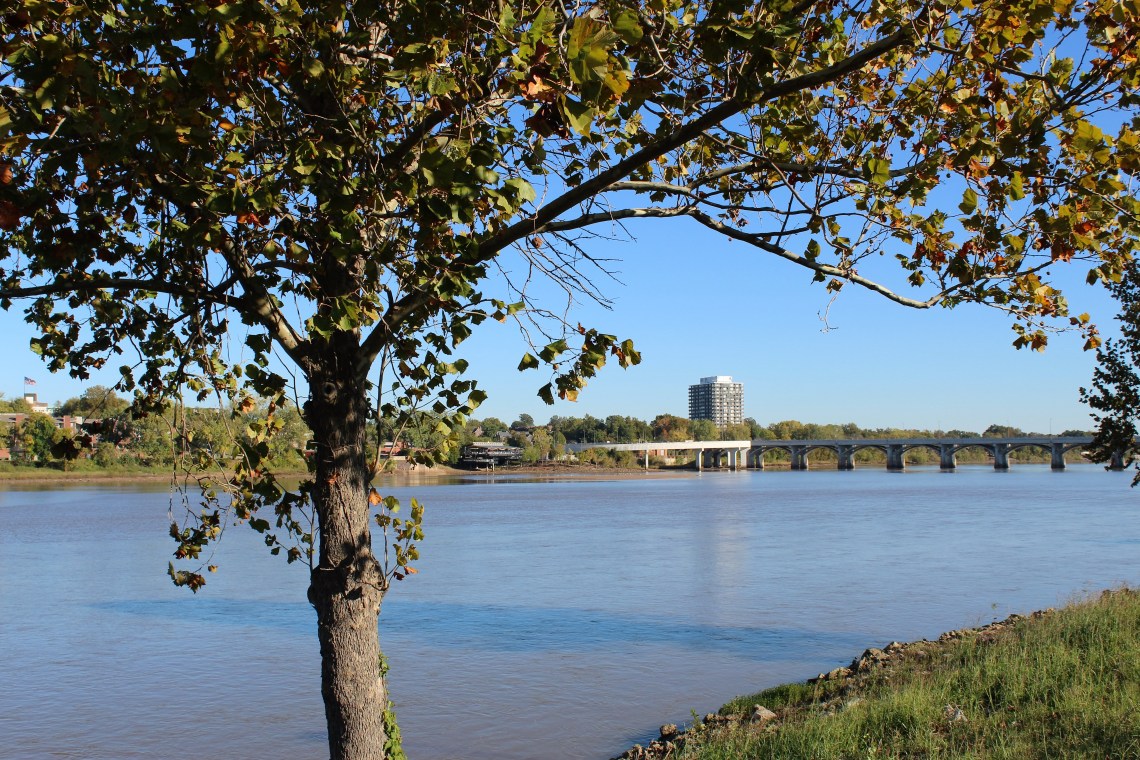
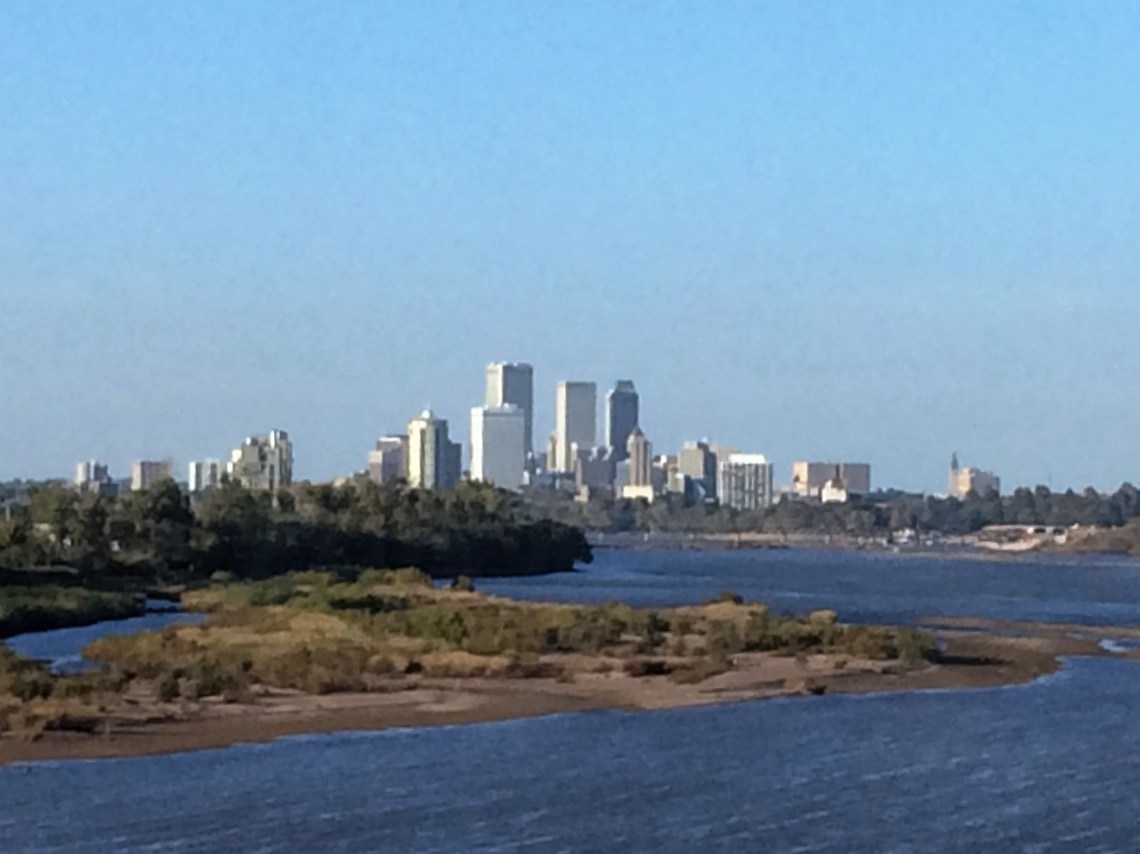
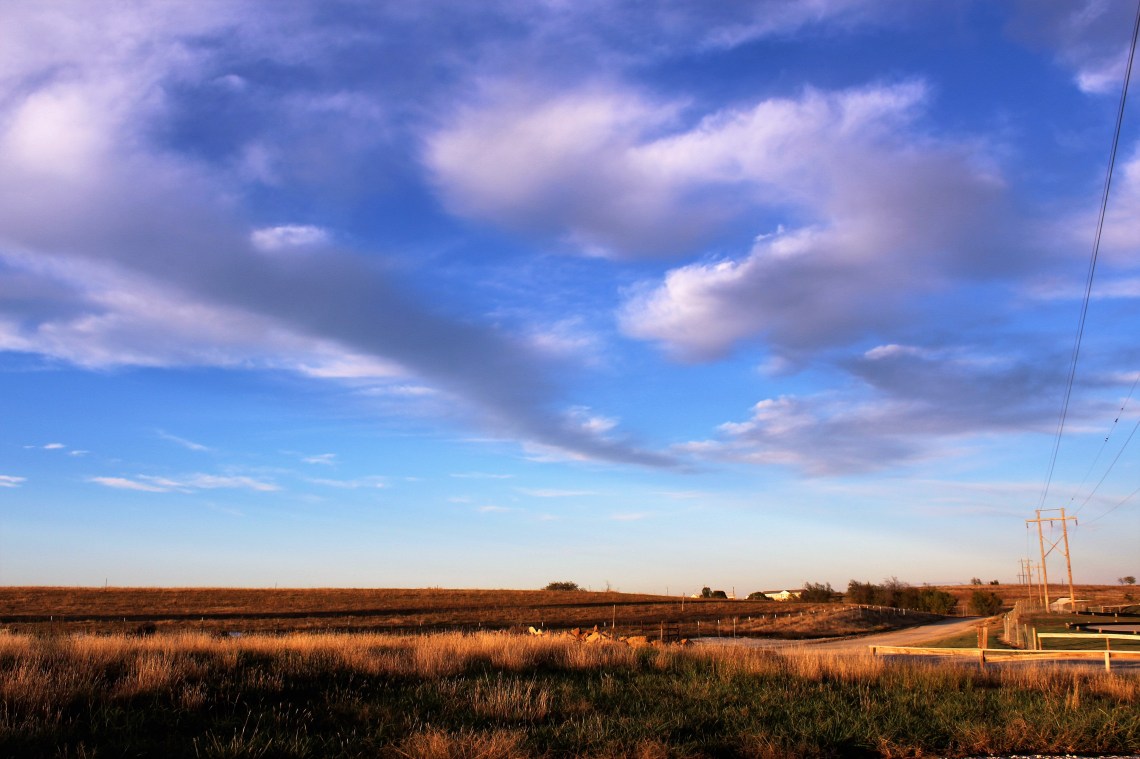
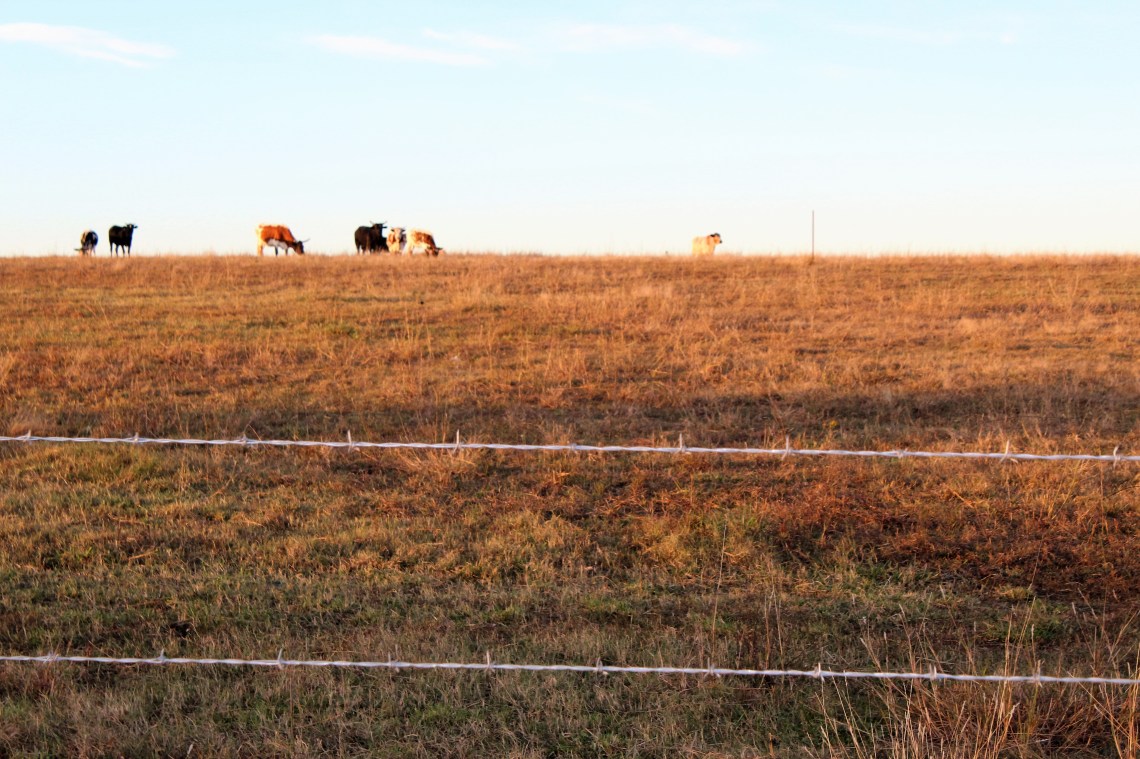
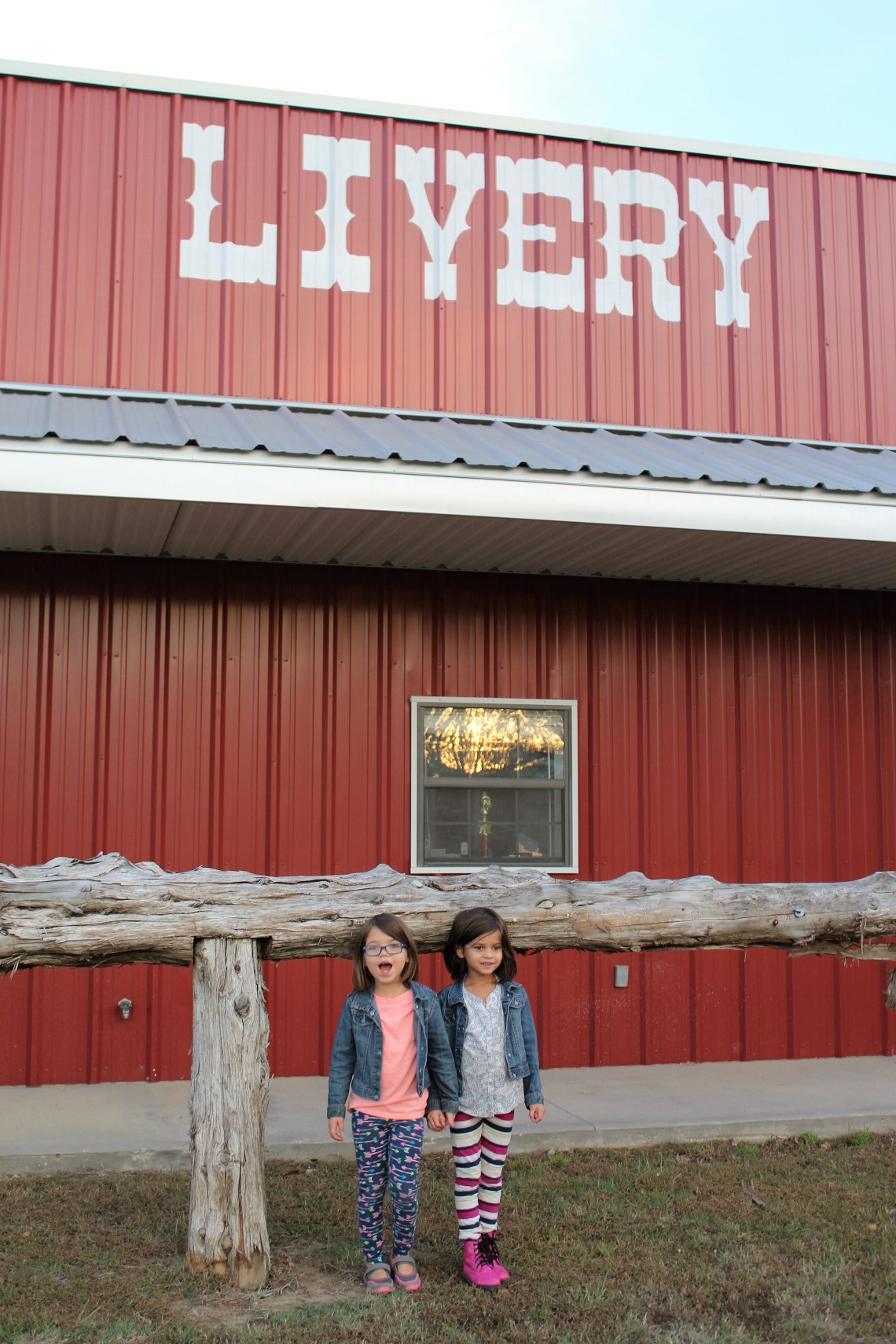
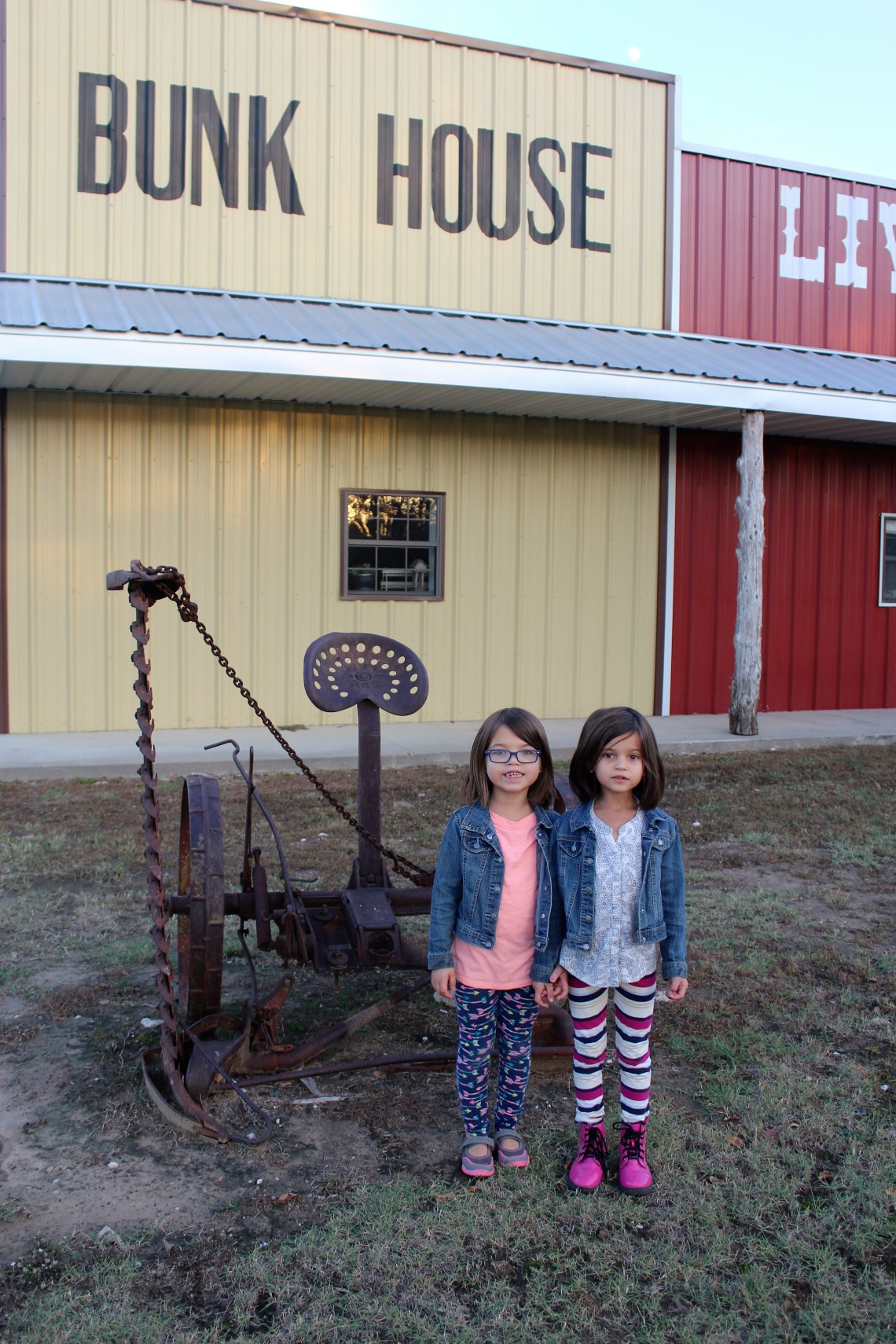
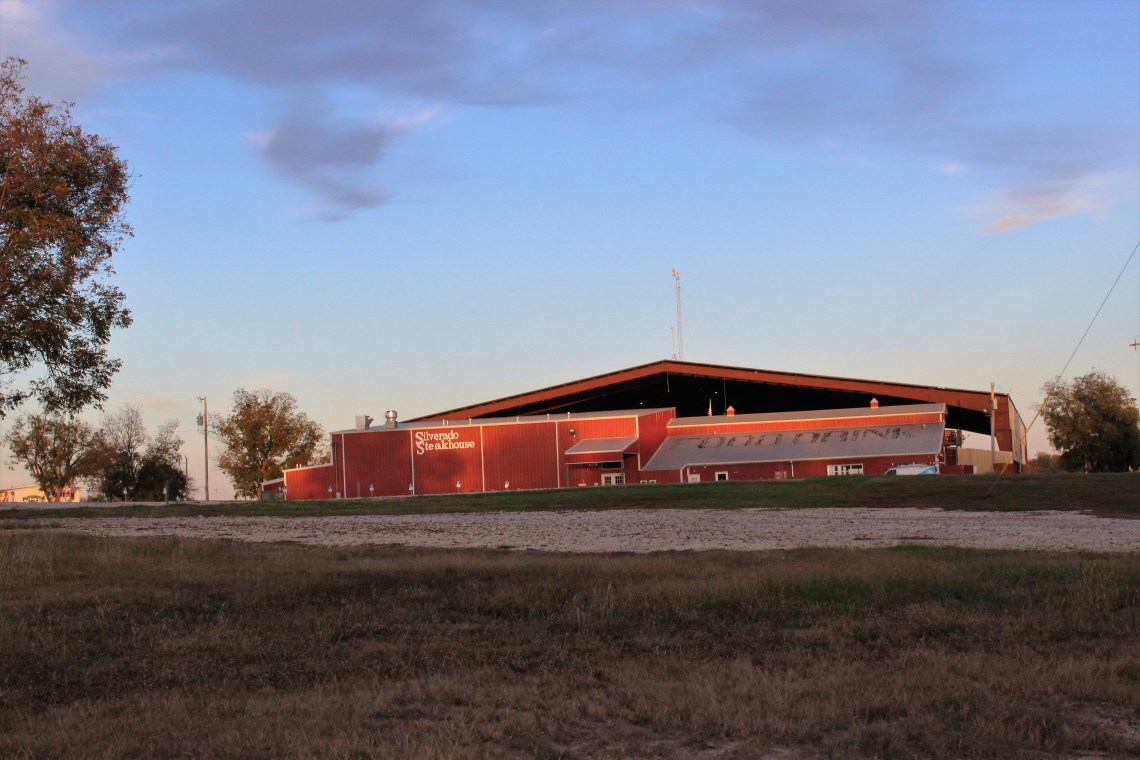
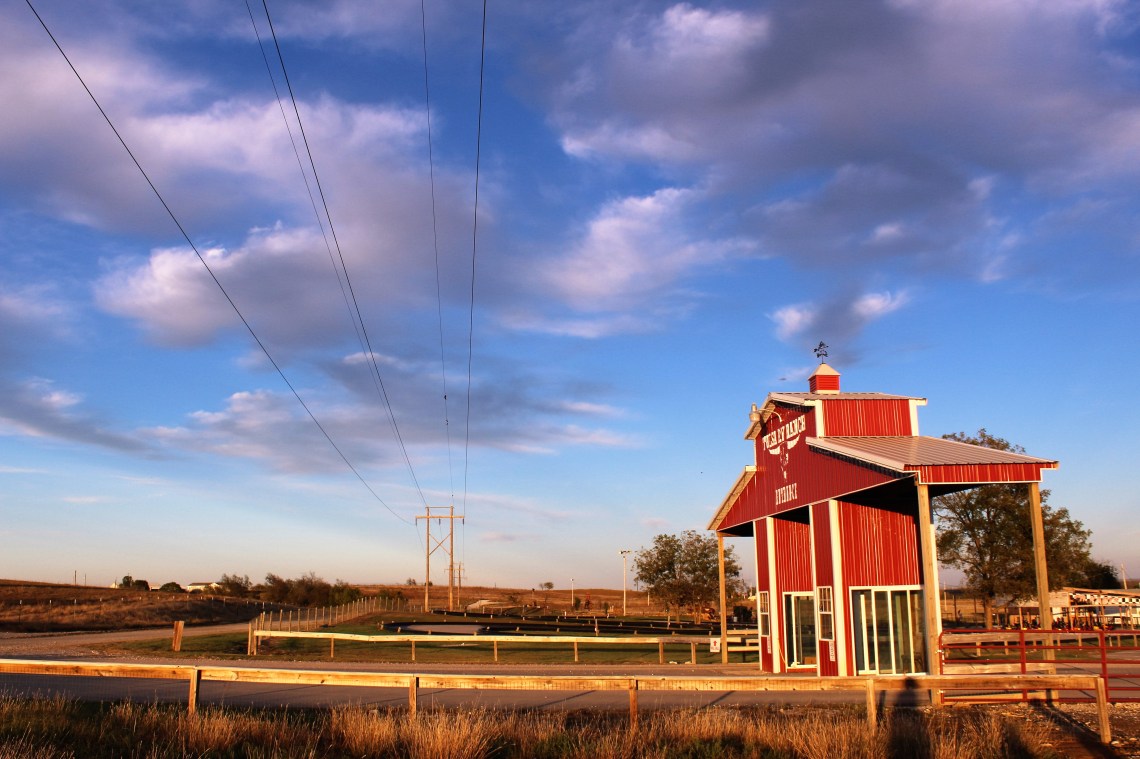
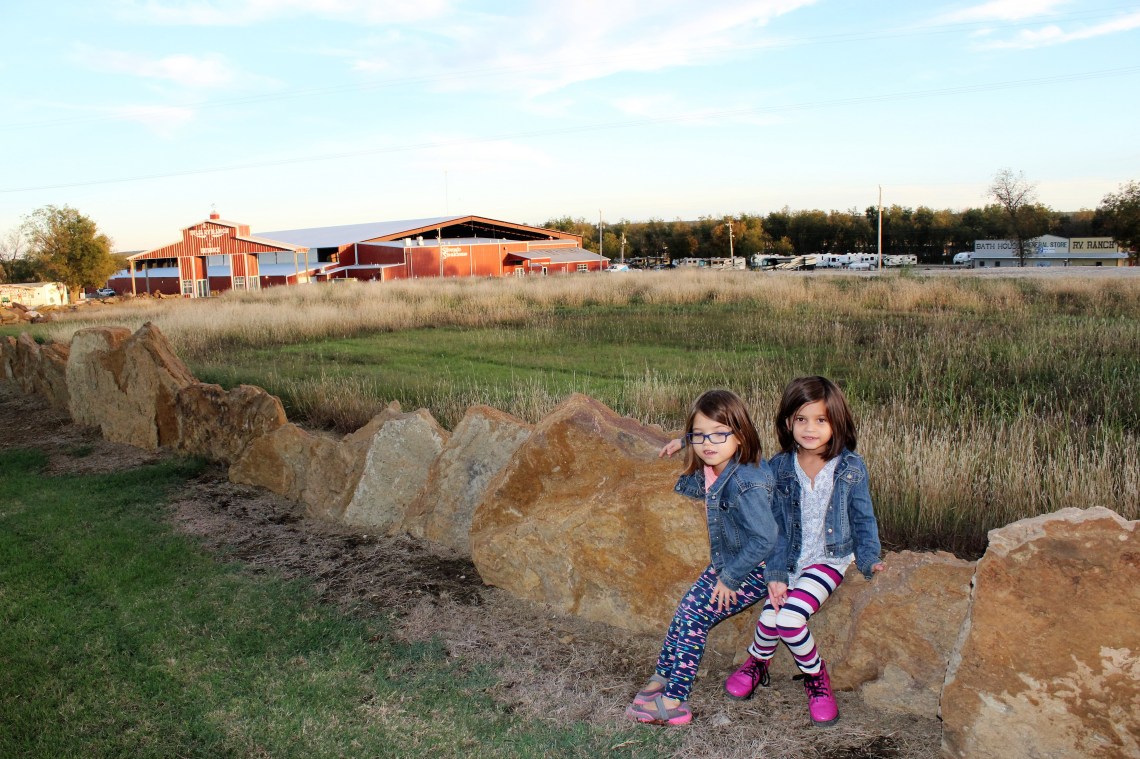
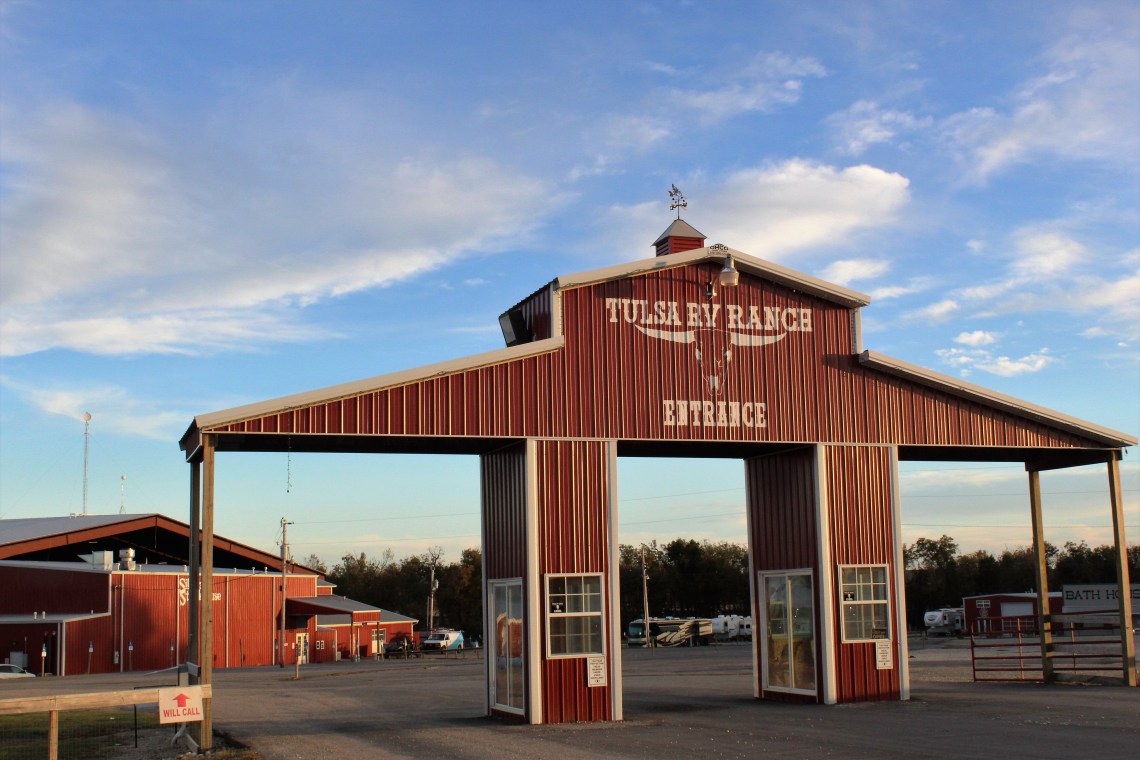
In a couple of days, we will move on to Kansas for a few days, and then Arkansas for two or three weeks. For now, I’ll leave you with these images from the place where we’ve spent the last little bit.

 4ina5
4ina5 